Quick Answer
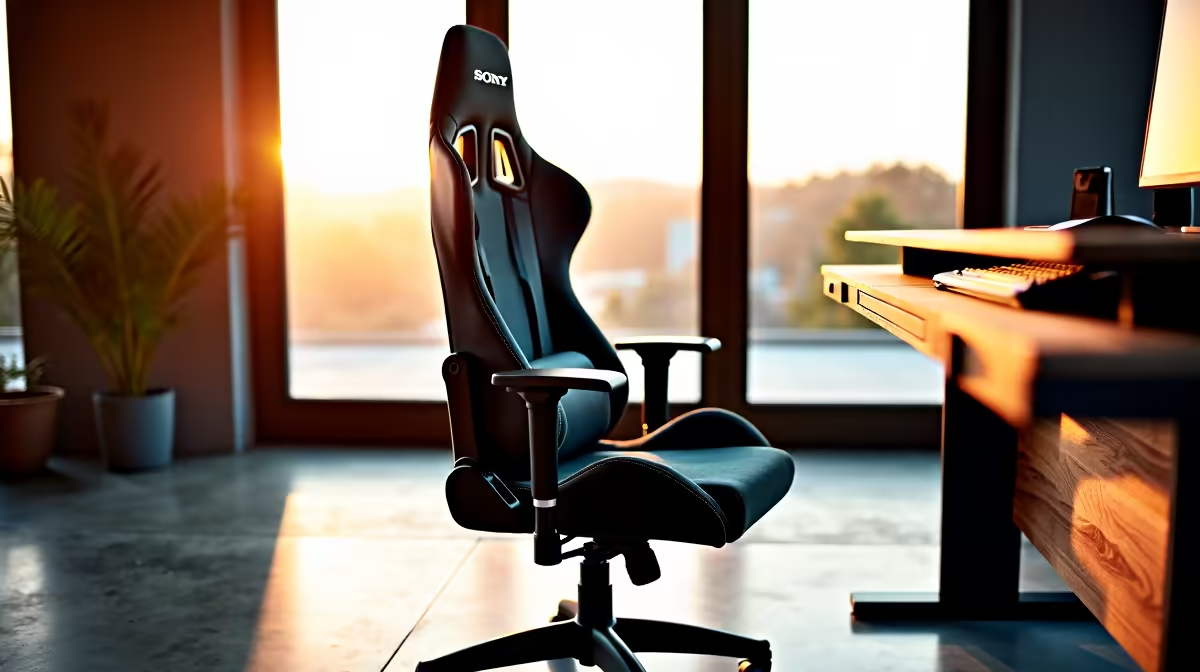
For casual after-work gaming, a starter chair around R1,800 to R2,800 is enough, and the upgrade to a R4,500 to R7,000 mid-range chair only pays off once you sit for two-plus hours a session. The real upgrade triggers are lumbar support, a class-4 gas lift, and a wider seat base, not RGB or a racing shell.
When a starter chair is genuinely fine
A budget chair around R1,800 handles short evening sessions for most builds and frames under about 100kg. The fabric or PU surface is comfortable for an hour, and the basic tilt is enough to lean back between rounds. The starter chair starts to show its limits when you notice a sore lower back after 90 minutes, the gas lift sinking, or the armrests wobbling. Those are mechanical wear signs, not reasons to buy a R10,000 chair.
The honest upgrade path is staged. Move from a R2,000 starter to a R4,500-R5,500 chair with proper 4D armrests and adjustable lumbar when your sessions stretch past two hours regularly. The jump to R7,000-plus only makes sense for all-day use or larger frames needing a 150kg-rated base.
What to compare before you upgrade
Check the gas lift class (class 4 is rated for daily use), the weight rating against your own, and whether lumbar support is built-in or a loose cushion. A wider seat base and 4D armrests matter more for long comfort than a flashy racing look. For an evening-only gamer, spending the chair budget difference on a better monitor or desk often improves the experience more.
FAQ
How much should I spend on a gaming chair for casual evening use?
A R1,800 to R2,800 chair is plenty for short after-work sessions. Step up to R4,500-plus only once you sit for two or more hours regularly and want adjustable lumbar and 4D armrests.
What is the most important spec on a gaming chair?
The gas lift class and weight rating. A class-4 lift handles daily use without sinking, and matching the weight rating to your frame prevents premature wear. These beat aesthetics every time.
Is a racing-style shell worth the extra cost?
Not for comfort. The bucket shape can actually feel cramped for taller users. A wider, flatter seat base with good lumbar support is more comfortable for long casual sessions than a narrow racing shell.
try raising your current chair so your forearms sit level with the desk and your feet stay flat; poor height setup, not the chair itself, causes most after-work back ache.