Two usable faces can make plate handling more flexible, but they do not reveal what either surface is made from. The safest dual-sided build plate model removal routine starts by identifying the face, its care method and the correct release procedure.
Quick Answer
The Neptune 4 Max includes an upgraded dual-sided build plate, giving the large 420x420mm workflow two usable faces for adhesion and removal.
Choose one plate face, prepare it according to its confirmed construction and allow the completed print to reach the release condition specified for that surface. The R9,399 Neptune 4 Max includes an upgraded dual-sided build plate across its 420 x 420mm bed. Do not flex, scrape, cool or treat either side until the applicable handling guidance is known.
🏷️ Give Each Face an Identity
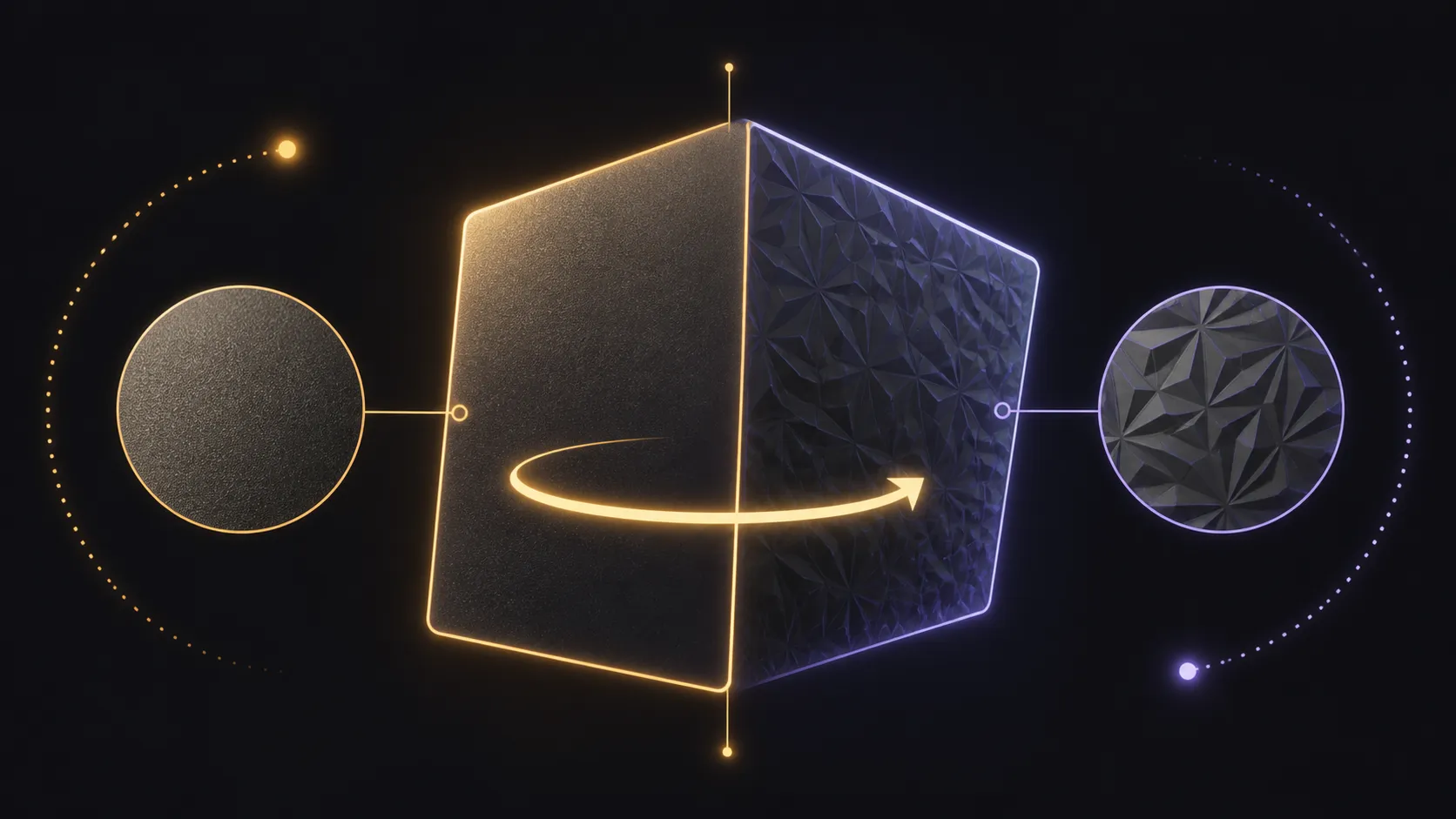
Mark the two sides in a way that does not interfere with printing, then keep separate notes for face A and face B. Record the material used, preparation, relevant profile and removal result. This prevents a successful routine on one surface from being copied blindly to the other.
The words upgraded and dual-sided describe the plate design, not its material or coating. Confirm those details before choosing cleaners, adhesives or tools. Browse large-format 3D printer options with plate construction included as a specific comparison question.
🧼 Prepare Only the Selected Surface
Oil, dust and residue can disturb contact, while an unsuitable cleaning process can damage some finishes. Follow the identified plate's care instructions and handle it consistently. A clean surface is a controlled starting condition, not a guarantee that every model will release the same way.
Run a small contact test with the chosen filament and face. Observe first-layer contact and later release as separate events. If adhesion is weak, diagnose the initial gap, preparation and process settings before adding any treatment not approved for that surface.
🌡️ Let the Release Method Match the Plate
Finished models and build surfaces can change as they cool, but the correct removal timing depends on the exact plate and material combination. Follow the documented procedure rather than forcing a hot part or assuming every removable plate should be bent.
Support the large 420 x 420mm plate when lifting or carrying it. Clear a stable landing area before removal so the face does not touch clutter. The Neptune's large printing area makes handling discipline more important even though exterior plate details remain a separate check.
Compare other machines through the Evetech 3D printer range with removal tools, plate access and replacement-surface details on the checklist.
🧪 Build a Face-by-Face Result Log
Use the same small model when comparing the two sides. Keep orientation, filament and profile stable, then record how preparation, holding and release differ. One successful print does not establish a universal rule for every geometry.
Choose material candidates through Evetech's filament category only after confirming complete printer compatibility. A 300C hot-end ceiling belongs to this model; it cannot determine plate treatment or release behaviour.
Store the plate carefully so neither surface is scratched or contaminated. The value of a second face depends on keeping it identifiable, cared for and ready for a known job. Before the next print, inspect both sides under useful light and return to the logged face without dragging it across the workbench.
Use the plate only after it is clean, flat and correctly seated, then choose the face appropriate to the material and surface goal. A 121-point levelling mesh compensates for bed irregularities, but contamination or an unsuitable first-layer temperature can still cause failure. Let the completed model cool before removal and flex or release it according to the plate's actual surface behaviour.
Frequently Asked Questions
What is the main benefit of two usable plate sides?
They allow two separately managed surface routes. Each face can have its own preparation and release record once its construction is identified.
Which plate materials are used on this printer?
Confirm the exact material and coating before selecting care products. Dual-sided wording alone cannot answer that technical question.
How should a plate side be prepared?
Use the cleaning and treatment process appropriate to the identified face, then keep hands and debris away from the printing zone.
When is the safest time to remove a finished model?
Follow the release guidance for the specific plate and filament pairing. Do not assume hot, cold, flexed or scraped removal applies universally.
Can both faces use identical settings?
That should be proven through controlled tests, not assumed. Separate notes reveal whether either side needs a different preparation or profile.
How does the large bed affect handling?
Its 420 x 420mm area needs a clear support surface during cleaning, turning and model release so neither face is damaged.
Ready to compare plate workflows before the next large print?
Review FDM printers and filament choices at Evetech with surface identity, preparation and release method written into the buying checklist.