Ryzen 5 5500 at R1,100 suits a coding bootcamp student who wants a responsive, upgradeable gaming pc for browser-based lessons, IDE work, video calls, and light after-hours gaming without overspending on the processor.
Why a gaming PC makes sense for bootcamp work
The MSI A520M-A Pro at R700 base keeps the platform sensible for a study desk because it gives you a budget motherboard foundation without pushing money away from the parts that affect daily speed. For bootcamp tasks, that means the build can stay focused on smooth multitasking rather than chasing office-tower neatness.
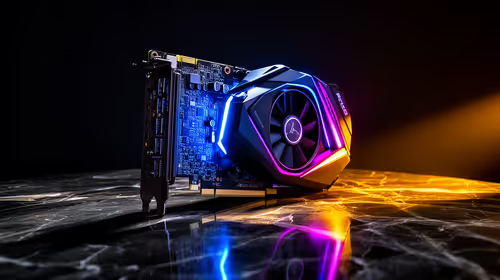
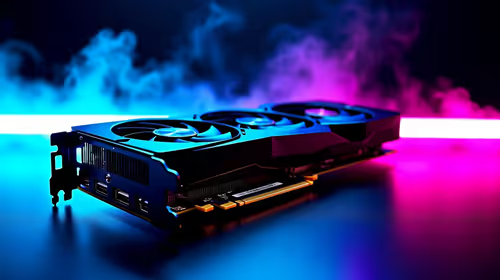
ASUS RX 7600 8GB at R4,650 is useful when the same machine also needs to handle design previews, multiple displays, or a relaxed game after class. The 8GB graphics spec matters because a student desktop often becomes a study, streaming, and entertainment setup in one small corner.
Student desk reality in South Africa
Ryzen 7 7800X3D at R4,800 is the stronger choice when coding projects sit beside heavier local workloads, such as running test environments, keeping many browser tabs open, and using the same desk setup for gaming at night. It is more than a basic office chip, but that extra headroom can keep the PC feeling useful beyond the course.
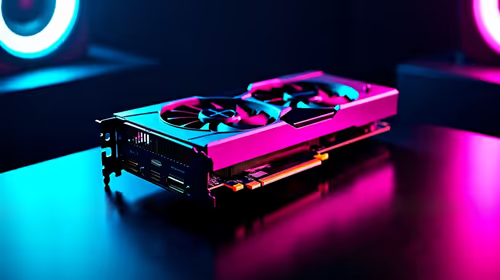
Palit RTX 5060 at R4,800 fits a learner who wants a newer graphics route for a compact study build, especially if the desktop will also be used for GPU-friendly creative tools or gaming. Pairing it with the R700 MSI A520M-A Pro base would be the wrong platform match, so treat that card as part of a more suitable full build rather than a random drop-in.
Ready to choose the right gaming pc?
Start the home office desk shortlist with Ryzen 5 5500 at R1,100, especially if office desktop coding bootcamp work points you toward its listed spec.