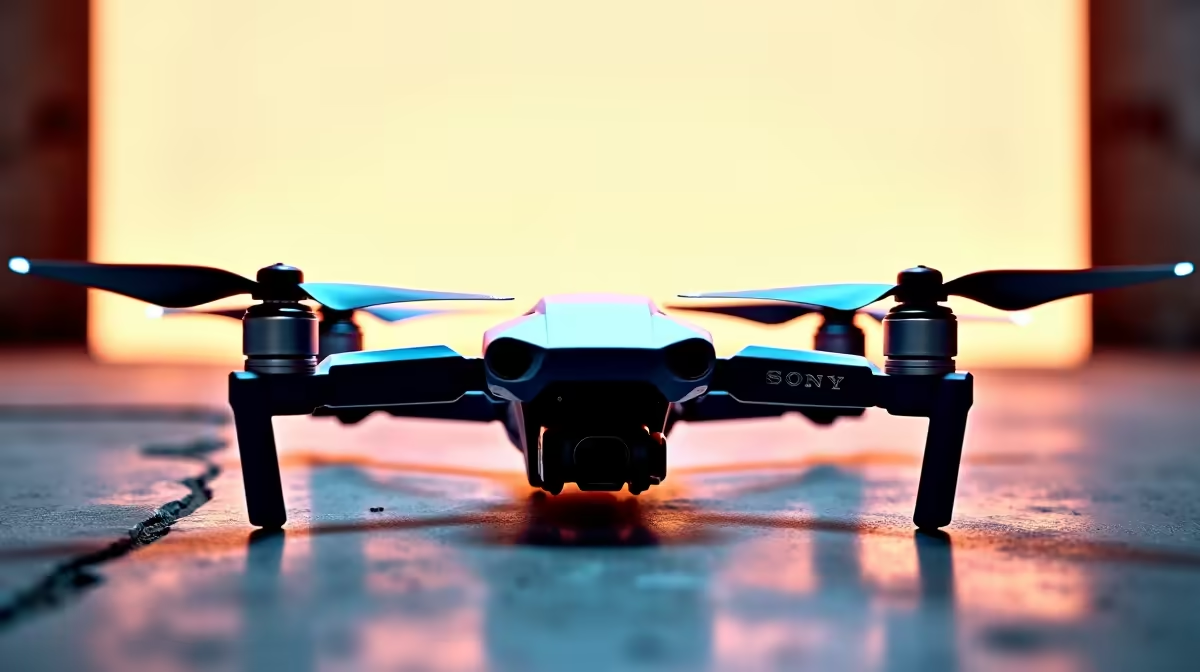
The single most important number on a drone's spec sheet for many flyers is its weight, and 250 grams is the line that matters most. A sub-250g drone like the DJI Mini 4 Pro tips the scales at 249g with its battery inserted, slipping it into the lightest regulatory category under most aviation frameworks, including South Africa's SACAA Part 101. That tiny margin under the limit carries real benefits for recreational pilots.
Quick Answer
A sub-250g drone weighs less than 250 grams ready to fly, battery included. The DJI Mini 4 Pro, for example, comes in at 249g. In South Africa this lightweight class generally carries fewer recreational obligations under SACAA rules than heavier drones, which makes it the easiest entry point for casual and beginner flyers.
Why 250 Grams Is the Magic Number
Aviation regulators around the world settled on 250 grams as a meaningful threshold because a drone below that mass poses a lower risk if it falls or collides with something. South Africa's framework reflects this thinking, treating the lightest class with a lighter regulatory touch for recreational use compared with bigger, heavier machines.
Drone makers know this, which is why so many models are engineered to land right under the line. A drone at 249g is not an accident of design; it is deliberately built to qualify for the more relaxed category while packing in as much capability as the weight budget allows.
What the Lightweight Class Means for SA Flyers
For recreational pilots in South Africa, the sub-250g class is the friendliest place to start. The lighter obligations under SACAA Part 101 for this weight band make it appealing for someone who wants to fly for fun, capture holiday footage, or learn the basics without the heavier requirements that attach to larger drones.
This is not a free pass to fly anywhere. Common-sense rules still apply, such as keeping clear of airports, crowds, and restricted airspace, and respecting people's privacy. The point is that the lightest class lowers the barrier to getting started, not that it removes responsibility. Always check the current SACAA guidance before you fly, since regulations can change and your specific use may carry its own conditions.
If you are weighing up a first drone or a compact travel model, the smart home and connected gadgets range at Evetech is a useful place to see what the local market offers alongside the rest of your tech.
What You Give Up and Gain
Building a drone under 250g is a balancing act. The weight saving means smaller batteries and lighter frames, which can affect flight time and wind resistance compared with heavier models. Yet modern compact drones like the Mini class pack capable cameras, solid stabilisation, and respectable range into that tiny envelope, so the compromise is far smaller than it once was. For most recreational flying, a well-made sub-250g drone delivers the footage and the fun without the added obligations of a larger machine. Spare batteries, propellers, and carry cases for these models often appear among the accessories Evetech keeps in stock, which help you get the most from a lightweight setup.
Frequently Asked Questions
How much does a sub-250g drone weigh exactly?
Less than 250 grams ready to fly, with the battery inserted. Popular models like the DJI Mini 4 Pro are deliberately built to come in at 249g, just under the threshold.
Are sub-250g drones easier to fly legally in South Africa?
For recreational use, this lightweight class generally carries fewer obligations under SACAA Part 101 than heavier drones. You should still follow all safety rules and check current SACAA guidance before flying.
Why do drone makers aim for 249g?
To qualify for the lightest regulatory category while keeping as much capability as possible. Landing just under 250g means the drone benefits from the more relaxed recreational rules tied to that weight band.
Do sub-250g drones have good cameras?
Many do. Modern compact models pack capable cameras and stabilisation into the small weight budget, so you get strong footage despite the lightweight build, though heavier drones may offer more in wind and flight time.
Can I fly a sub-250g drone anywhere?
No. Lighter obligations do not remove the core safety rules. You must still avoid airports, crowds, and restricted airspace, respect privacy, and follow current SACAA guidance for your situation.