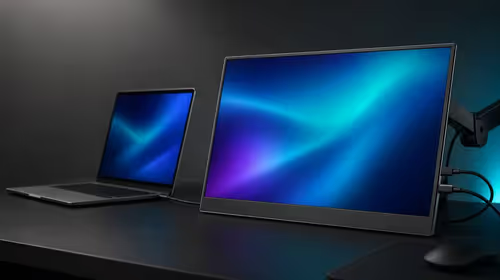
Mini HDMI troubleshooting works best as a chain of simple tests. To solve portable monitor Mini HDMI connection problems, confirm power, both cable ends, source output, display mode and audio selection before interpreting any panel specification.
Quick Answer
For Mini HDMI trouble, prove the source output, use the included cable, power the driver-free J314 separately and select the correct monitor input.
The UPERFECT UBegin J314 costs R1,799 and accepts Mini HDMI as one input. Use a known compatible source and correctly ended cable, power the monitor independently as required, select the external display mode and change only one component per trial.
🔋 Confirm the screen is powered
Check how the J314 receives power and whether it starts. A screen without power cannot detect the HDMI signal, while a powered no-signal state directs attention elsewhere.
Keep the supply constant through the remaining tests. Do not confuse a power change with a cable or source improvement.
Review other input arrangements in the Evetech portable monitor range after identifying the required source route.
🔗 Inspect both cable ends
Mini HDMI is the connector on the monitor. Identify the source-side output and verify that the cable matches both ends and carries a compatible display signal.
Try one known cable rather than a stack of unverified adapters. Inspect seating and avoid sharp bends that can disturb the connection.
🖥️ Select a supported display mode
Check whether the source detects the external screen, then choose extend, duplicate or another supported mode. The J314 panel uses 2160x1440, subject to source and route support.
Response time does not affect whether a signal is detected. The 30ms figure concerns pixel transitions after an image is already being shown.
If the route carries audio, select the monitor when appropriate. Its dual stereo speakers provide 360-degree sound, while source settings govern output selection.
🧪 Compare with the Type-C route carefully
Type-C offers another input path on the J314, but it requires its own source video support, cable and power checks. A working Type-C chain can help isolate HDMI equipment without proving that the original source output is compatible.
Choose replacements from Evetech's monitor accessory selection only after the failed function is narrowed down.
Save the source mode, cable and connection order after success. A repeatable record turns the next setup into a known procedure rather than another guess.
Create a known-good HDMI baseline with the simplest source and cable available. Record power, detected mode and audio output after a stable image appears.
Substitute the original source first, then the original cable, restoring the baseline between tests. This isolates the component that changes the result without stacking several unknowns.
Inspect intermittent faults over a normal session. A picture that appears briefly but drops during ordinary cable movement is not equivalent to a reliable connection.
Keep the successful Mini HDMI configuration separate from Type-C. The alternative route is a diagnostic tool, not proof that both inputs share the same source or power requirements.
Check the source output with another known display where practical. This can distinguish a source-side limitation from the J314 route without assuming either device is faulty.
Store the working cable without tight bends and label its connector ends.
Repeat the baseline with familiar video and a static text page. Stable performance in both reduces the chance that a content or application issue is mistaken for a connection fault.
If audio is absent while the picture works, check the source output selection without disturbing the proven cable chain.
Record any adapter explicitly. A later replacement must match its signal function, not merely its connector sizes.
Mini HDMI carries video rather than guaranteeing power, so keep those paths separate during diagnosis. Test at a basic supported mode, then return to the native 2160x1440 resolution after the picture stabilises. Inspect the small connector for strain and avoid sharp bends in a mobile setup. A known working USB-C source can help show whether the panel operates while the HDMI route is isolated.
Carry a spare Mini HDMI lead only after the first cable is proven faulty. Random replacements make it harder to identify whether the source, port or power route failed.
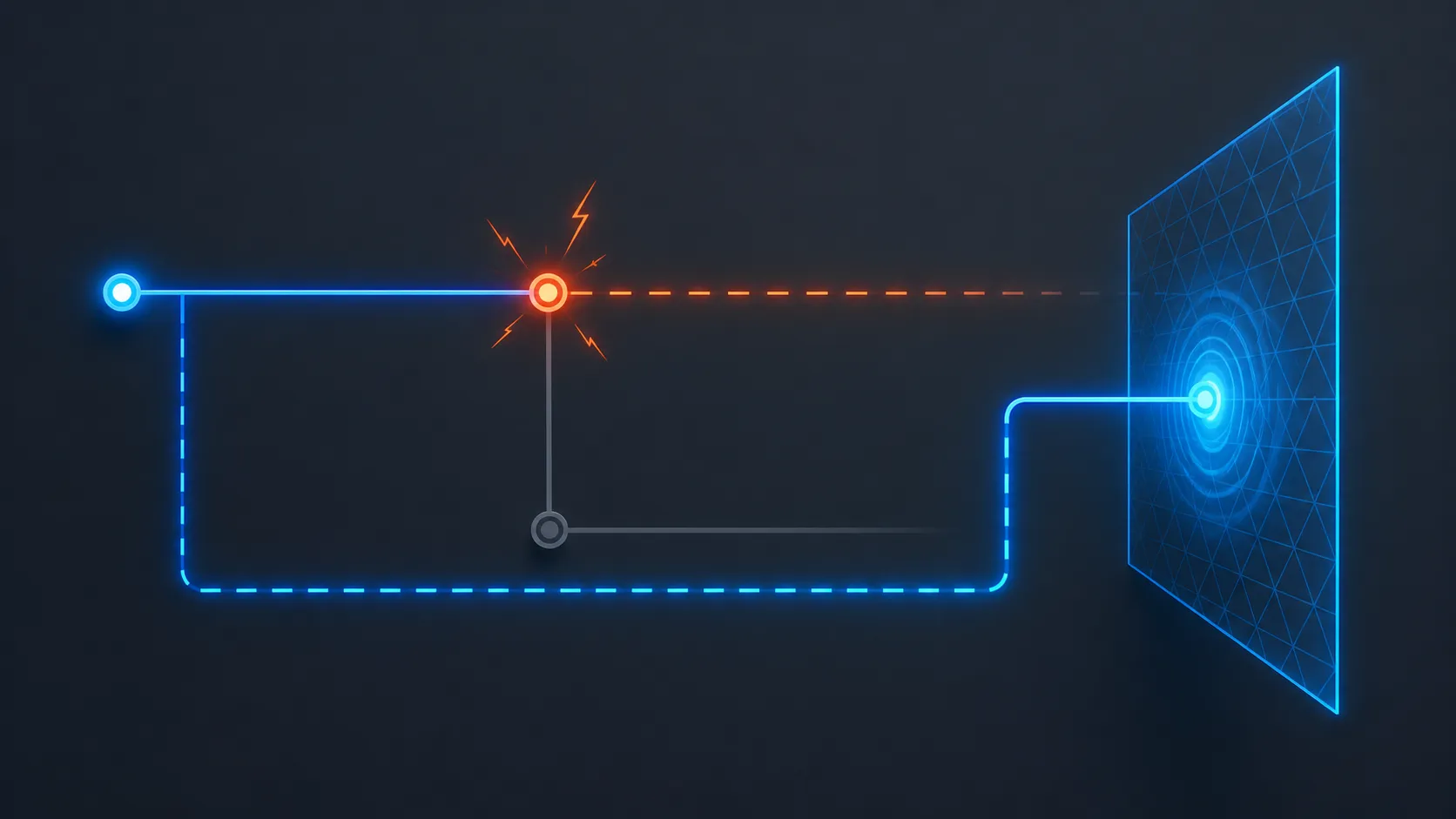
Frequently Asked Questions
Where should Mini HDMI diagnosis start?
Confirm monitor power, identify both cable ends and use a source known to send a compatible external display signal.
What does the monitor input establish?
It establishes that the J314 can receive Mini HDMI, not that every source, cable, console or mode works with it.
Which settings deserve inspection?
Check external-display detection, extend or duplicate choice, supported resolution and the selected audio output where relevant.
Does 30ms influence signal detection?
No. Response time describes pixel transitions after a picture is present, while detection belongs to the connection chain.
Working through a Mini HDMI fault one link at a time?
Confirm power, cable ends and source mode, then compare suitable displays and replacement accessories through Evetech.