


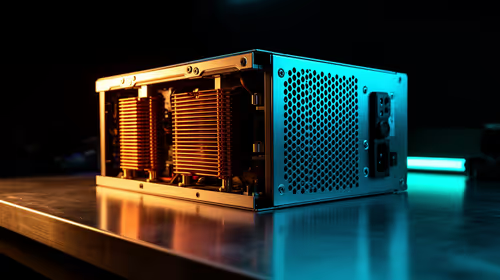
1000W PSU Planning for RTX 5090 Builds in SA
1000W for RTX 5090 needs a full-build check, not a simple yes. Review GPU guidance, CPU draw, transient load, connectors, PSU quality, and upgrade plans before deciding.
Read moreThe J314 offers Type-C and Mini HDMI as two ways to receive a display signal from a compatible source. Choose by matching the source's video output and cable path, then plan power and software needs separately from the connector name.

The better connector is the one a verified source can use with the fewest unnecessary parts. A USB-C vs Mini HDMI portable monitor comparison should map video output, cable ends, power and software separately before convenience decides the route.
Use full-featured USB-C for compatible video and a compact cable route; choose Mini HDMI when the source offers a dedicated display output or USB-C lacks video.
The R1,799 UPERFECT UBegin J314 includes both Type-C and Mini HDMI inputs. Choose Type-C when the exact source port supports compatible display video; choose Mini HDMI when a proven HDMI path fits better, without assuming power delivery or universal phone and console support.
Read the source-device specification for external display output. The USB-C connector shape does not establish video capability, charging or power delivery.
Confirm the cable's function and how the monitor receives power. One-cable operation should be treated as a requirement to verify, not an automatic benefit.
Compare input configurations through the Evetech portable monitor category after the source port is understood.
Mini HDMI is the input on the screen. Identify the source connector and choose a cable with the correct two ends and supported signal capability.
The presence of HDMI does not prove every console works. Confirm the exact console output, display mode, power and audio route.
For a laptop, check the chosen port and operating environment. For a phone, verify the handset model's external-display support. For a console, match output format and mode.
Never transfer a pass from one source to another merely because their connectors look alike. Each chain needs its own cable and power evidence.
The J314 targets 2160x1440 on a 14-inch IPS panel. The source route must support the selected output for that image to appear.
Once both routes work, assess cable count, setup time, stability and portability. The monitor weighs 1.4kg, so adapters and supplies also affect the mobile kit.
Choose required cables from the Evetech monitor accessory selection by confirmed function. Avoid paying for a format the intended source cannot use.
At R1,799, two input types add flexibility when they serve real devices. Compatibility comes first; convenience breaks the tie only after both signal paths are proven.
Build a route table for every source. List its output port, proven video function, cable, power supply, desired mode and any audio behaviour. Mark Type-C or Mini HDMI only after all fields are complete.
Test connection stability as well as initial detection. Disconnect and reconnect, move the cable gently within normal use and verify that the source restores the intended display mode.
For travel, count the parts in each route. A direct Type-C path may be physically simpler when all functions are supported, while Mini HDMI can be more predictable for another source. Convenience belongs to the exact chain.
Save the selected route per device. This avoids trying a successful console cable on an unrelated phone or assuming one laptop's USB-C capabilities apply to another.
Add a recovery test after sleep or restart. A route that returns predictably has more everyday value than one needing repeated manual selection.
If an adapter is necessary, include its function and mass on the device card. The convenience comparison should count every required part.
Retest after a major source-software update because detection or output settings can change without any alteration to the monitor.
When both inputs pass, alternate them during the same work or media session. Note setup time, cable stability, restored display mode and audio selection.
The simpler physical path is not automatically the better one if it loses a required function. Choose the route that completes the entire job reliably.
The J314 needs no separate display driver, and its box includes cables plus a power adapter. USB-C capability still belongs to the source, so identical connector shapes can behave differently. Mini HDMI broadens support to laptops, PCs and consoles but may use a separate power path. Whichever input is chosen, confirm native 2160x1440 output and save the working cable with the 0.47kg travel kit.
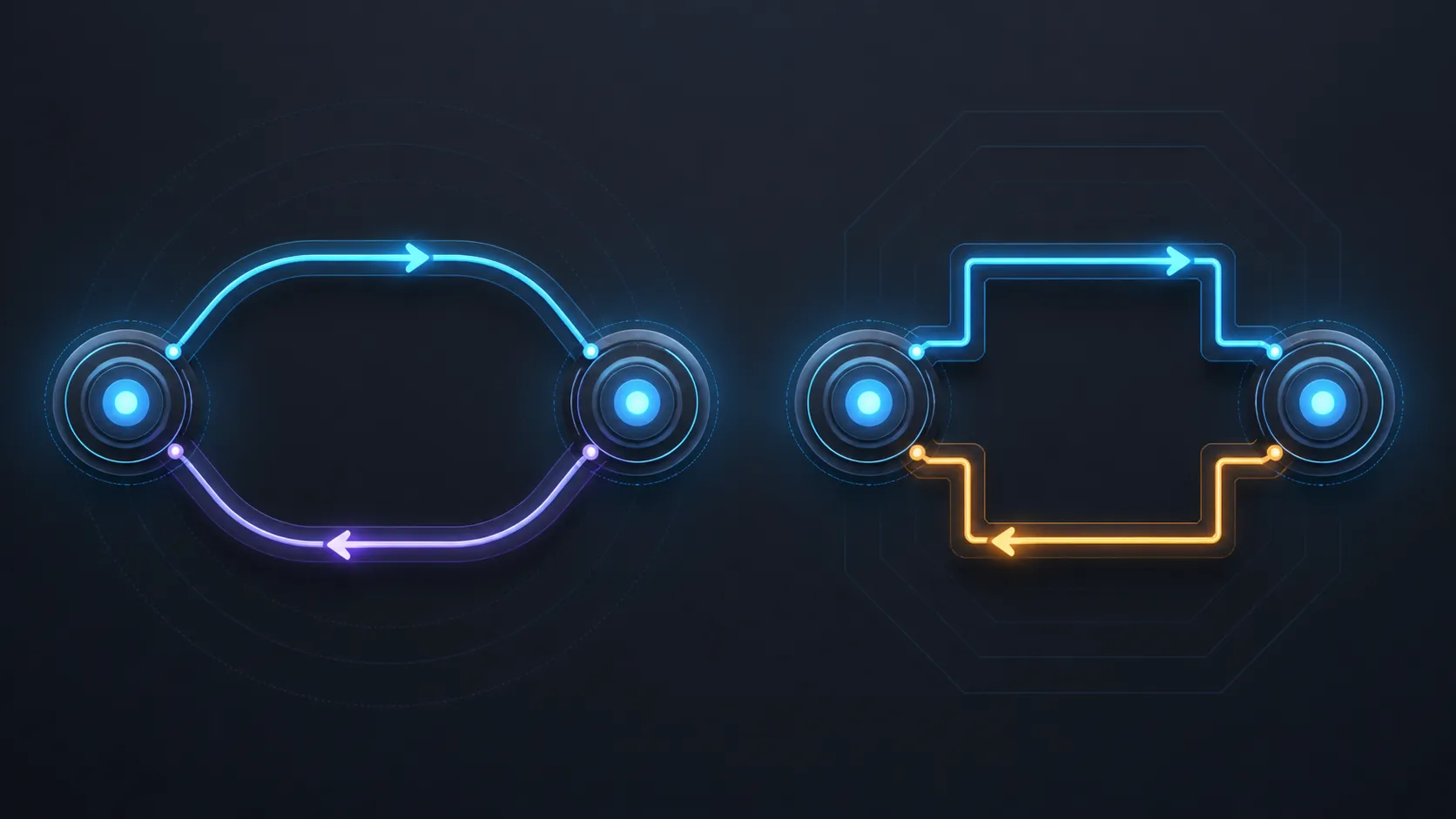
The portable display includes Type-C and Mini HDMI, each requiring a compatible source output and cable.
Use it when the exact source port sends external-display video and the power arrangement is understood.
It fits when the source supplies a compatible HDMI signal and a correctly ended cable reaches the monitor input.
No. Verify monitor power, any source-charging expectation and video function independently.
Choosing between Type-C convenience and a Mini HDMI route? Prove both source chains first, then compare portable monitors and the exact cables needed through Evetech.
The portable display includes Type-C and Mini HDMI, each requiring a compatible source output and cable.
Use it when the exact source port sends external-display video and the power arrangement is understood.
It fits when the source supplies a compatible HDMI signal and a correctly ended cable reaches the monitor input.
No. Verify monitor power, any source-charging expectation and video function independently.
1000W for RTX 5090 needs a full-build check, not a simple yes. Review GPU guidance, CPU draw, transient load, connectors, PSU quality, and upgrade plans before deciding.
Read more
RTX 5080 Super with a 750W PSU is more comfortable than lower wattage if the unit is quality. SA builders should still confirm GPU guidance, CPU draw, connector type, airflow, and upgrade room.
Read more
How to fix FPS drops after a RX 9070 XT starts with driver cleanup, chipset updates, thermals, and power checks. For SA gaming PCs, confirm PCIe seating, monitor refresh, frame caps, and per-game graphics settings before replacing parts.
Read more
How to fix low FPS Windows 11 Wi-Fi 7 issues starts by checking whether the problem is frame rate or network lag. Test ping, drivers, power settings, Ethernet, and game FPS before adjusting visuals.
Read more
AM5 is smart for SA builders because it supports newer Ryzen CPUs, DDR5 memory, and a longer upgrade path. Compare board cost, cooling, gaming needs, and local part availability before choosing your next PC platform.
Read more
AM5 gives Randburg gaming builders a longer upgrade path. For SA buyers, DDR5 support, newer board features, and future CPU options can justify the platform. Weigh board cost, cooler support, BIOS maturity, and upgrade timing before choosing.
Read more
RTX 5090 on a 550W PSU leaves almost no practical room for OC plans. Treat the setup as constrained, with CPU draw, power spikes, cable quality, thermals, and stability checks more important than chasing extra clocks.
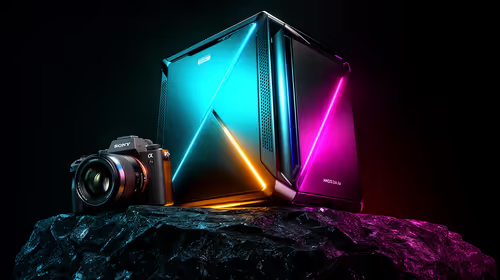
FPS drops on a Ryzen 9 9950X3D build often have a fixable cause. Check settings, drivers, thermals, background tasks, network conditions, and bottlenecks before assuming a part must be replaced.

The difference between PCIe 5.0 and PCIe 4.0 for SA gamers is mostly bandwidth headroom. Compare GPU slot needs, NVMe speed, motherboard support, and upgrade timing before paying extra for a newer platform.

Gaming PC stuck pixel checks in South Africa should confirm the monitor fault first. Use colour tests, screenshot comparison, cable swaps, display menu checks, and clear photos before deciding on support.

AMD's current driver now lists a Radeon RX 9050 4GB, while product coverage details a narrowed memory system. SA buyers should weigh the low VRAM ceiling against current local Radeon options.

Samsung Display has demonstrated a 16-inch 2.5K OLED laptop panel running at 300Hz. SA buyers should wait for a named notebook, full panel specifications and a local price before planning an upgrade.

Microsoft says some Windows 11 game crashes after recent updates are linked to RGB-related drivers. Affected SA gamers should confirm the update and driver before using the published registry workaround.
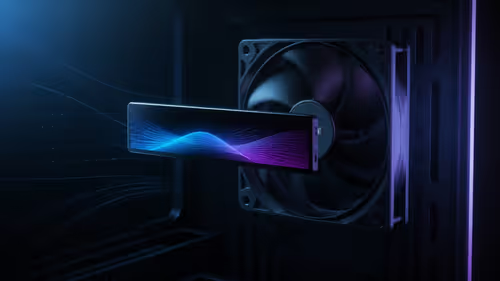
Thermalright's Fan Frame Vision-1 adds a 640x172 status screen to a standard 120mm fan. SA builders should check clearance, USB routing and local support before treating it as an easy upgrade.
1000W for RTX 5090 needs a full-build check, not a simple yes. Review GPU guidance, CPU draw, transient load, connectors, PSU quality, and upgrade plans before deciding.

Wi-Fi 6E vs Wi-Fi 6 matters for 4K video editing when files move across a network. The real-world difference between Wi-Fi 6E and Wi-Fi 6 for video editing in 4K depends on NAS access, cloud uploads, router range, and SA creator workflows.
RTX 5080 Super with a 750W PSU is more comfortable than lower wattage if the unit is quality. SA builders should still confirm GPU guidance, CPU draw, connector type, airflow, and upgrade room.
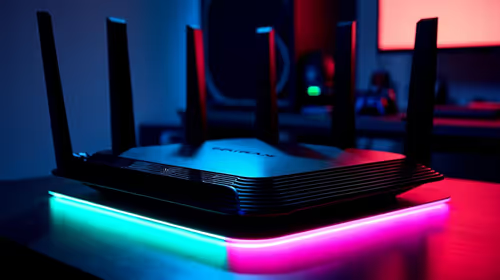
Wi-Fi 6E vs Wi-Fi 6 for Video Editing in 4K comes down to router support, latency, client devices, band support, and home network layout. SA buyers should match the choice to their setup instead of assuming one option always wins.