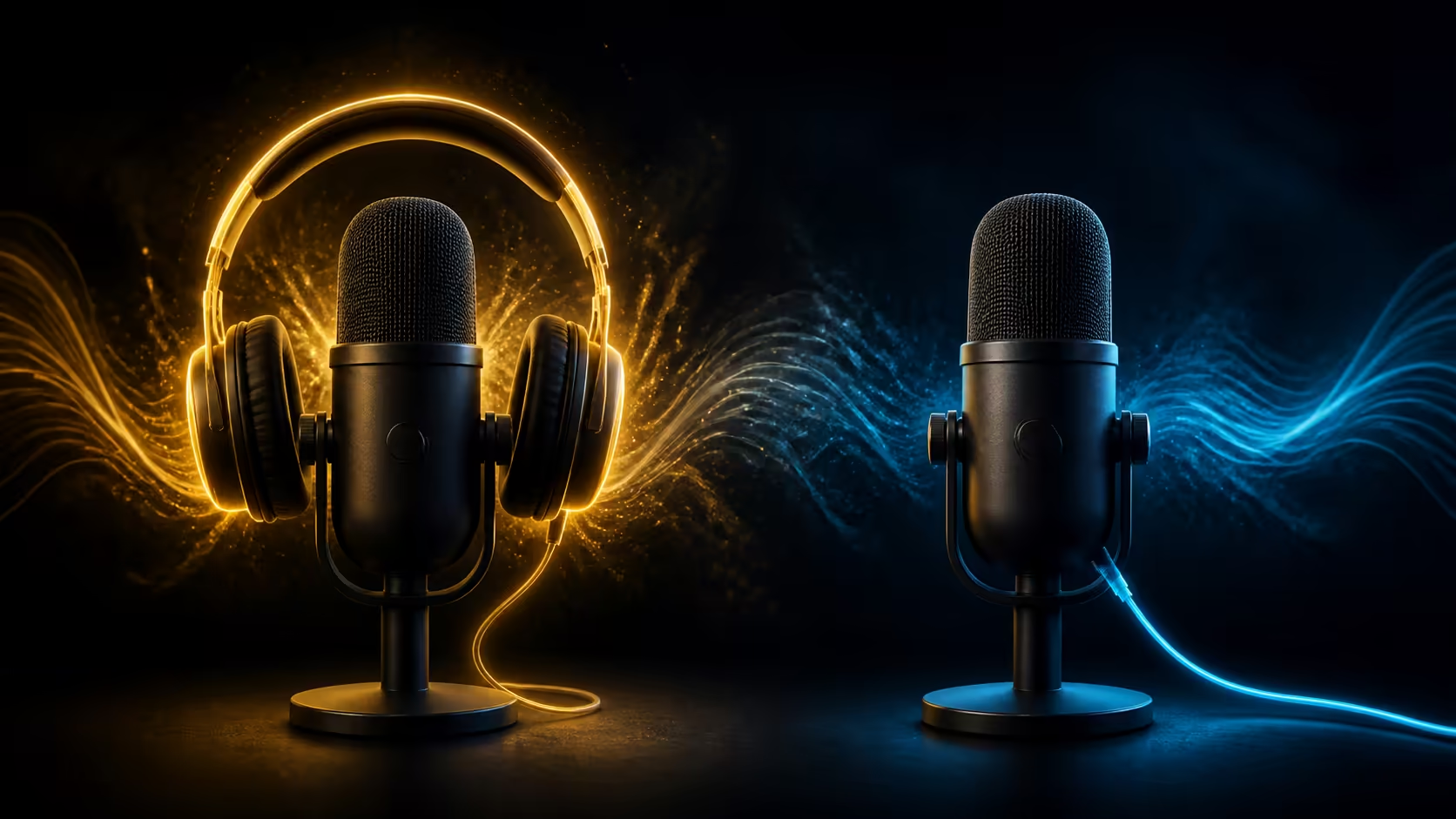
The small socket on a microphone changes how quickly a speaker can react to the sound being captured. A USB microphone with 3.5mm monitoring feeds input to connected headphones in real time, while a standard USB model may depend on computer playback or later review. The R299 MARVO Blast 50 includes that direct listening connection.
Quick Answer
Choose a USB microphone with a 3.5mm jack when immediate feedback on distance, level and desk noise matters during live work. The R299 Blast 50 provides real-time monitoring through this socket; a simpler USB microphone can still suit short recordings that are reviewed after each take.
🎧 Hear technique while it can still change
Live monitoring exposes the moment you turn away, speak too softly or bump the desk. That information arrives soon enough to correct the next sentence, which is valuable during streams and long voice recordings.
Computer monitoring can involve a longer route through software. Even a modest delay between speaking and hearing the return can distract delivery. A direct microphone-side feed is intended to make that feedback feel immediate.
Compare monitoring facilities across Evetech's microphone category, paying attention to where headphones connect and how the feature fits your applications.
🧠 Decide whether your workflow needs immediacy
A person recording short clips can stop, replay and adjust between takes. They may place less value on continuous feedback. A live gamer, caller or narrator cannot pause every minute, so direct monitoring provides a stronger practical benefit.
The jack does not automatically promise that every game, music and chat source will be mixed into the same headphones. Audio routing depends on the device and software arrangement. Treat real-time microphone input as the core function and test the full playback path you intend to use.
🎚️ Test a monitoring feature properly
Connect headphones, speak at normal volume and listen for consistency rather than exaggerated detail. Move slightly off-axis, type a few keys and use mute once. Then save a recording and compare it with what you heard live.
Comfort deserves equal attention. Evetech's gaming headset range offers options for sessions where headphones remain on for hours.
Build a live-versus-playback check
Read one paragraph while monitoring, then save it and replay at a sensible level. Mark any difference in loudness, tone or processing. The live feed guides technique, while the recording represents what the audience receives. Both views belong in a dependable setup.
Repeat after enabling the actual chat or streaming software. Confirm that the application has selected the Blast 50 rather than a webcam or headset input. Direct monitoring can sound correct even when software records a different device.
Protect long-session comfort
Set the headphone return just loud enough to notice distance and bumps. An overpowering feed can encourage softer speech and cause fatigue. Add game or call playback gradually so it does not bury the monitored voice.
Run a ten-minute rehearsal while moving normally between screens. If hearing yourself becomes distracting, reduce the return instead of abandoning the feature immediately. The useful level supports natural delivery without demanding constant attention.
Test one deliberate mute and one quiet sentence during that rehearsal. The monitoring path should make the state change and softer delivery easy to recognise without a sudden volume jump. Save the recording, replay it outside the live feed and note whether the same technique reached the application cleanly.
Label the saved playback check with the application name and date.
Frequently Asked Questions
What does a 3.5mm jack add to a USB microphone?
It creates a connection for real-time headphone monitoring, allowing the speaker to hear microphone input while performing.
Why might computer monitoring feel distracting?
Software and system routing can delay the voice return. Hearing your own words slightly late can disturb pace and pronunciation.
Who can manage without real-time headphone feedback?
Someone making brief takes with a reliable replay routine may not need continuous monitoring. Live creators benefit more from immediate correction.
Does a headphone jack guarantee every audio source is mixed?
No. It establishes a headphone connection, but the available mix depends on the microphone and software routing.
What should I test when trying microphone monitoring?
Listen for level, direction changes, breath noise, desk movement and comfort. Follow the live test with playback of the saved file.
How is monitoring handled on the MARVO Blast 50?
The R299 model provides real-time monitoring through its 3.5mm jack while USB Type-A carries microphone audio to the computer.
Ready to make immediate feedback part of every spoken take?
Explore Evetech's microphone and headset choices, then select a listening route that matches the pace of your actual work.