A gaming headset is judged by mic clarity, comfort and connection - the things you live with daily - far more than by driver-size marketing.
Quick Answer
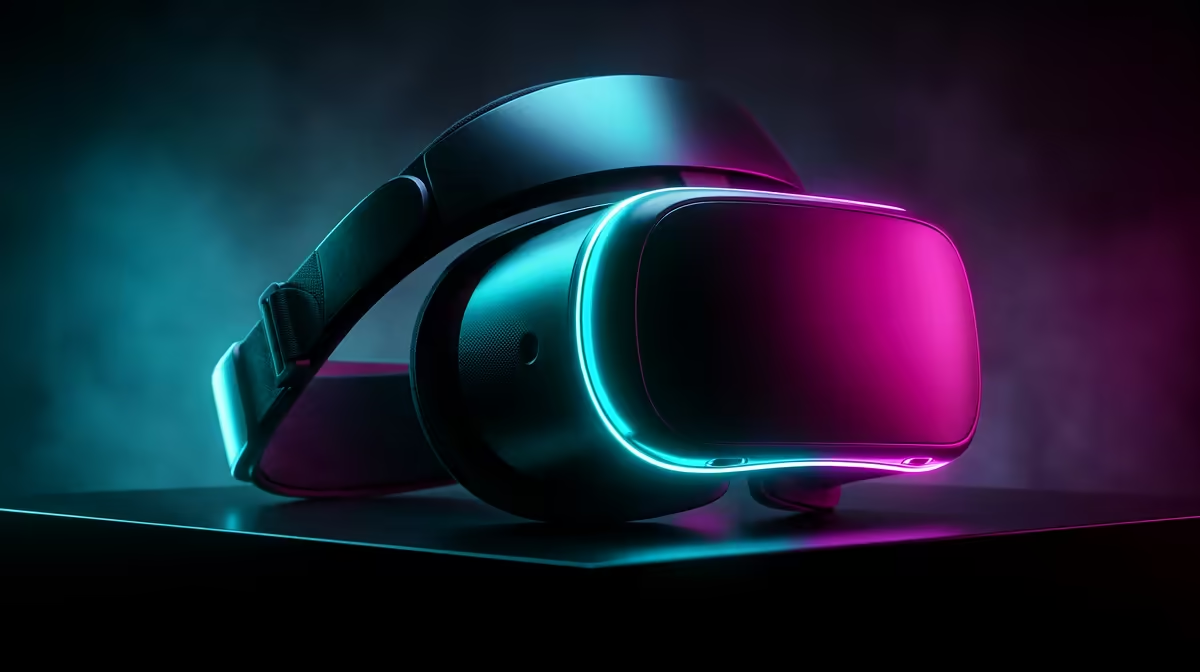
In a VR gaming plan, a dedicated gaming headset matters less than you'd think - most VR headsets have built-in spatial audio that's central to immersion. A separate headset matters only for multiplayer comms or if your VR headset's audio is weak. Budget R800-R1,500 for a light comms headset; spend the rest on the VR hardware and a strong GPU.
When a headset matters for VR
Standalone and PC VR headsets ship with positional audio that's part of the immersion, so a big gaming headset is often redundant. A separate headset earns its place for clear multiplayer comms, or to replace weak built-in speakers with better in-ear audio that fits under the strap. In those cases a light, low-profile set is all you need.
Where VR money is better spent
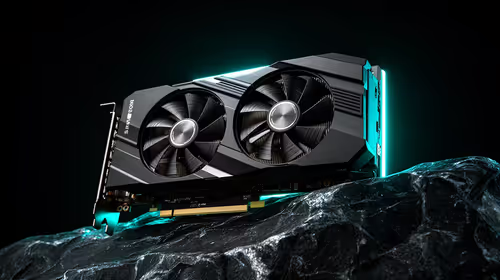
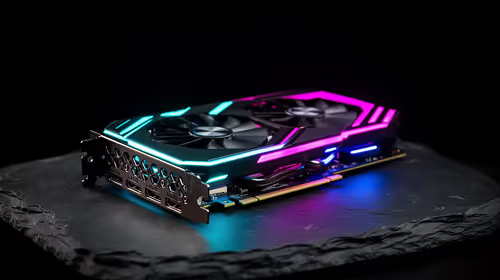
VR is GPU-hungry - smooth 90fps+ at VR resolutions wants at least an RTX 4070 (around R12,500). Frame drops cause nausea, so the GPU and a fast CPU matter far more than headset audio. Spec the GPU and CPU for stable high frame rates first; add a modest comms headset only if multiplayer or weak built-in audio calls for it.
FAQ
Do I need a separate headset for VR?
Usually not - VR headsets have built-in spatial audio that drives immersion. Add a light separate headset only for clearer multiplayer comms or if the built-in audio is weak.
What GPU do I need for smooth VR?
At least an RTX 4070 (~R12,500) for stable 90fps+ at VR resolutions. Frame drops cause nausea, so the GPU matters far more than headset audio for a good VR experience.
Where should my VR budget go?
Into the GPU and CPU for stable high frame rates, then the VR headset itself. Audio is the last priority since most VR headsets handle spatial sound natively.
Spend on a strong GPU like an RTX 4070 for stable VR frame rates first - add a light comms headset only if multiplayer or weak built-in audio needs it.