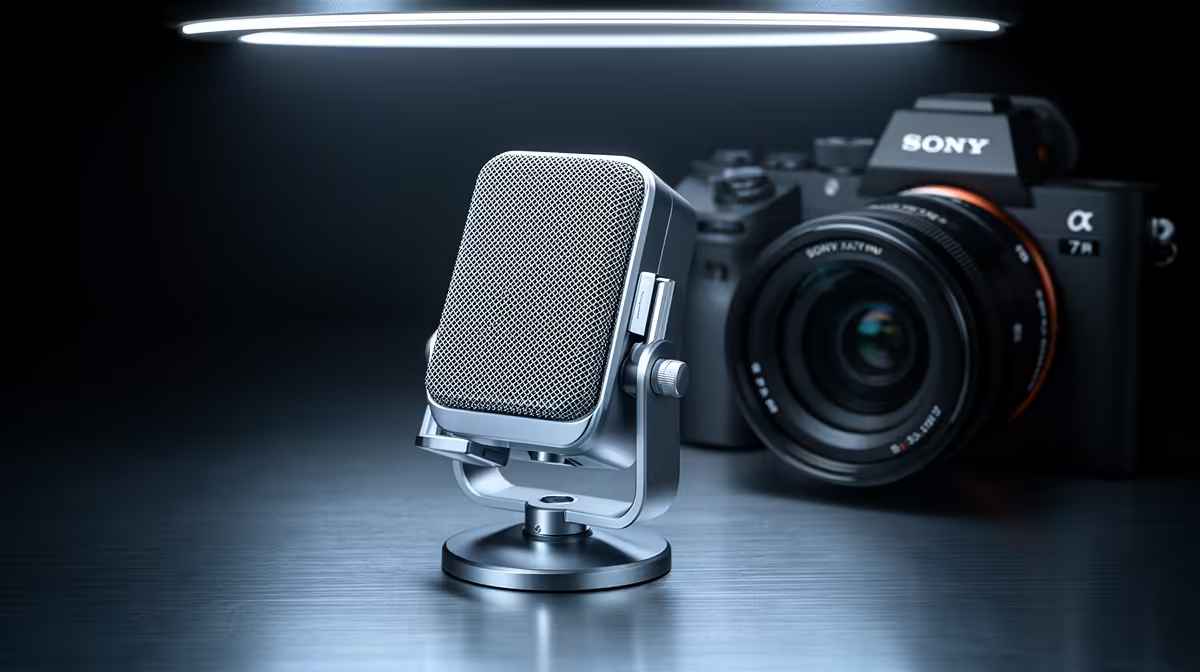
A microphone's worth shows in the parts you handle and the room noise it rejects, so build quality and pickup pattern matter more than a flashy sample-rate figure.
Quick Answer
For OBS recording, a USB cardioid microphone with a solid stand or arm is the practical pick, around R900 to R2,800. A focused pickup pattern and decent build matter more than a high sample-rate number for clear, usable voice.
Where Cheap Mics Break Down
Bargain microphones tend to fail on the parts you handle: flimsy USB ports that wobble loose, plasticky stands that pick up desk thumps, and capsules that hiss in a quiet room. For OBS recording, that turns into hours fighting noise and dropouts. A solid R1,500 mic with a focused cardioid pattern usually outlasts and out-performs two cheap ones.
Pickup Pattern And Placement
A cardioid pattern captures your voice and rejects room noise, which is what you want for recording and streaming. Position the mic close, off-axis to avoid plosives, and add a pop filter for clean speech. A shock mount and a sturdy boom arm isolate the capsule from keyboard and desk vibration far better than the bundled tripod.
Connection, Monitoring And Durability
USB keeps setup simple and is plenty for voice work; XLR adds flexibility if you later add an interface. Zero-latency headphone monitoring lets you hear yourself without delay, which helps for OBS recording. A metal body and a reliable USB-C port survive daily handling, and a clear gain control stops the harsh clipping that ruins cheap-mic recordings.
FAQ
USB or XLR microphone?
USB is simpler and plenty for voice recording and streaming, plugging straight in with no extra gear. Choose XLR only if you plan to add an audio interface and want room to expand your setup later.
Why does my cheap mic sound noisy?
Budget capsules hiss in quiet rooms and pick up desk thumps through flimsy stands. A focused cardioid pattern, a shock mount and a pop filter clean up the sound far more than raising the sample rate.
Do I need a pop filter and boom arm?
For clean speech, yes. A pop filter tames plosives and a boom arm with a shock mount isolates the mic from keyboard and desk vibration, which makes a bigger difference than most spec upgrades.
Choose a USB cardioid mic with a shock mount and pop filter, position it close and off-axis, then favour a metal body for daily durability.