Competitive rules care about what one physical action produces, not how exciting the keyboard feature sounds. For keyboard automation in CS2, use Valve's current rules and event policy as the authority before enabling any input-changing feature.
Quick Answer
As of July 2026, Valve's CS2 line is against hardware or script automation that turns one player input into multiple player actions and bypasses core movement or reaction skill. Valve named Snap Tap-style input automation and null binds in its 2024 notice and told players to disable such features before joining a match. Ordinary adjustable actuation and rapid trigger do not inherently choose between opposing directions, but your exact profile can add automation. Check Valve's current notice and the event rulebook, then use a clean one-key, one-action profile.
Separate sensitivity from decision-making
An actuation point changes where one key registers. Rapid trigger changes where that same key resets as it moves. Neither feature must suppress another key or issue a second command.
SOCD cleaning, last-input priority and depth-priority features compare opposing directions and decide which one reaches the game. That is the class of keyboard behaviour you should disable for CS2.
A dynamic keystroke or macro that sends several actions from one press creates another automation risk. The marketing name does not matter; the output does.
Read Valve and the organiser
Valve's official-server policy and a tournament rulebook are two layers. An organiser can ban a setting, require a profile inspection or provide house equipment.
Do not rely on a keyboard app's compliant label. Update the rules check before each event, since software and enforcement can change.
Save a CS2 profile with SOCD, macros, multi-action keys and analog controller mappings disabled. Test A and D in the keyboard visualiser and in an offline practice session.
Verify what one press sends
Open a plain key-event view and press every rebound, function-layer and movement key. A clean profile should show the one keycode you expect, without a timed second event.
Hold A, press D and release them in both orders. The keyboard should report ordinary physical states rather than selecting the latest or deepest key for you.
Restart the keyboard and launch CS2 through its normal executable. App linking can load another profile after the desktop test. Repeat the movement check offline, then keep the verified profile named for CS2.
If the event uses house computers, ask whether keyboard software may run. Onboard storage and a manual selector can make inspection easier, subject to the organiser's policy.
Choose a board you can reset
Look for onboard profiles, clear feature indicators and a reliable factory or profile reset. A simple recovery route matters more than a hidden automation toggle.
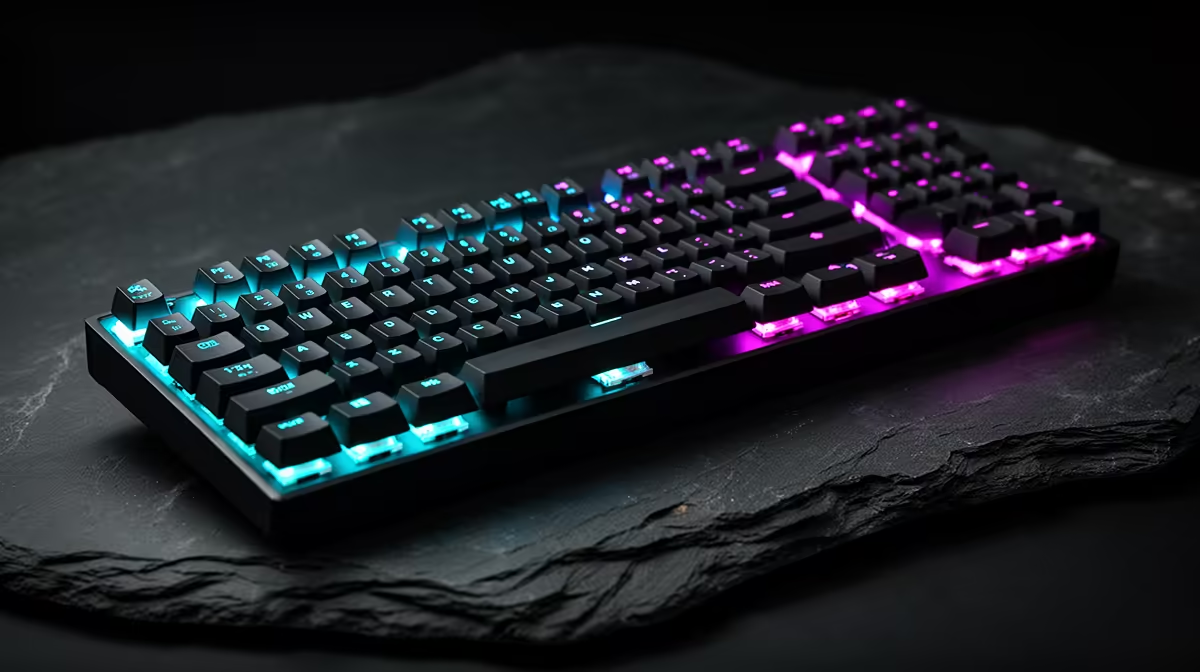
Browse gaming keyboard deals for profile and software details. Review the current keyboard favourites as hardware choices, with event approval checked on its own.
FAQ
Does Valve ban rapid trigger?
Valve's automation notice targets multiple player actions from one input. Rapid trigger alone changes one key's reset, but profiles and event rules still need checking.
Are adjustable actuation points automation?
Changing one key's trigger depth is different from choosing between two inputs. Keep the rest of the profile free of automated actions.
Should you disable SOCD cleaning for CS2?
Yes. Valve told players to disable Snap Tap-style automation before official matches. Check the current rule and organiser too.
Build one CS2 profile with each physical key sending one action, disable every opposing-key resolver and verify it against the current event rules.