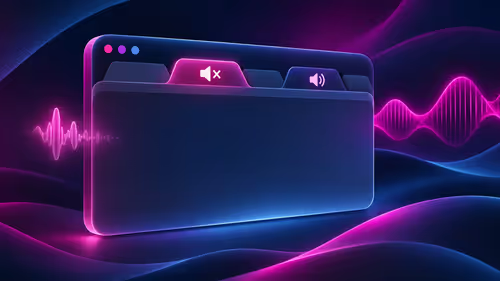
Most keys make you wait for a reset. A fixed-actuation key has a trigger point and a separate reset point, and it has to rise back past that reset point before it can fire again. Rapid Trigger on the Tartarus V2 Pro shortens that wait, so the key can fire again as soon as you ease off it. The gain looks small on paper and is easy to feel when you tap the same key ten times in a second.
Quick Answer
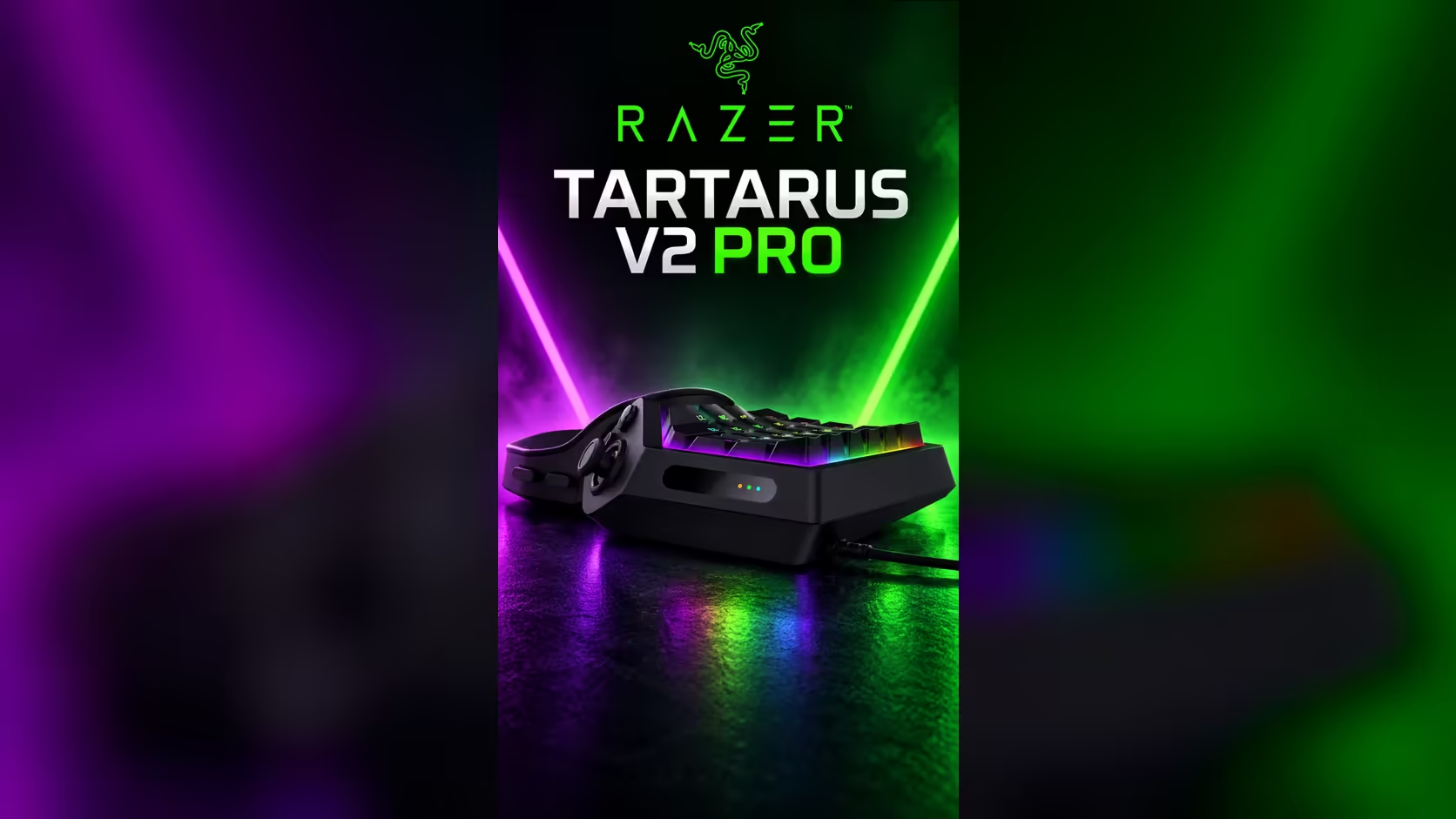
Rapid Trigger lets a key fire again as soon as you ease off it, instead of waiting to rise back past a fixed reset point. That helps with repeated taps and quick strafes. The Tartarus V2 Pro includes Rapid Trigger alongside its analog optical switches, and it costs R4,799.
⚡ Where the reset point costs you time
Take a fixed key that fires at 2.0mm and resets at 1.5mm. These figures are an illustration of how the principle works, not measurements from this keypad. You press to 2.0mm, release to 1.8mm, and press again. Nothing happens, because the key has not risen past 1.5mm yet. It must lift to 1.5mm, then press back down to 2.0mm, so the second shot needs 0.5mm of lift and 0.5mm of press. That is a full 1.0mm of movement for one extra shot.
Rapid Trigger changes the reset so the key is ready after a much smaller lift. In the same illustration, a reset after a 0.2mm lift turns that 1.0mm of movement into 0.4mm, which is 0.2mm up and 0.2mm back down. Over a long fight with a repeated ability, the saving adds up to a faster and more even rhythm on the key.
🎮 Where Rapid Trigger earns its place
Rapid Trigger matters most when the same key is pressed again and again. Strafing in a shooter, spamming a short ability, or tapping a combo in a fighting game all fit that pattern. A single deliberate press gains nothing from a faster reset. A long cast that you press once, then wait out, behaves the same with or without the feature.
Check your own habits before you rely on it. Run a 60-second drill on one key. If you land 40 presses in that minute, every one of those is a reset that either comes early or waits, and the feature matters on each of them. Note the three keys you tap most often in a typical session. If they are repeat keys, Rapid Trigger earns its place. If they are single presses you hold for a timer, the feature will not change your results, and the depth of each key matters more.
🧭 Pairing Rapid Trigger with actuation depth
Rapid Trigger works together with actuation. A key set to 0.5mm fires after 0.5mm of travel, while a key set to 2.0mm fires after 2.0mm, so the shallow key starts 1.5mm ahead in its travel. Put the shallow setting on the key you tap fastest, then test the feel in a training area for ten presses before you commit.
Do not go shallower than you need. Before you buy a keypad for this, check how each model in our gaming keyboards range handles its switches, since not every board uses the same design. A very shallow key can register a hand tremor as a second press. If a key double-fires during a fight, raise its actuation by 0.5mm and test again. Keep the change small so the key still feels fast. A wrist rest or desk mat from our keyboard accessories range keeps the keypad still, which makes that ten-press test far more reliable.
Frequently Asked Questions
Does Rapid Trigger make the keypad fire faster?
It makes a key ready to fire sooner after release, which helps repeated inputs. It does not change how a single press is read. Polling and actuation handle the speed of the first press.
Is Rapid Trigger useful in every game?
No. Games built around single, deliberate presses gain little. Fast shooters and action games with repeated inputs gain the most from a faster reset.
Can Rapid Trigger cause double inputs?
A very shallow setting can misread a tremor as two presses. If a key double-fires, raise its actuation in 0.5mm steps and test again.
How do I check that Rapid Trigger is working?
Open the Razer software and confirm the setting on the key you are testing. Then press it slowly in a training area and watch for a second press after a small lift.
Want Rapid Trigger on your next board?
Start with the switch design, then decide whether the speed you gain on repeat inputs justifies the extra spend.