Quick Answer
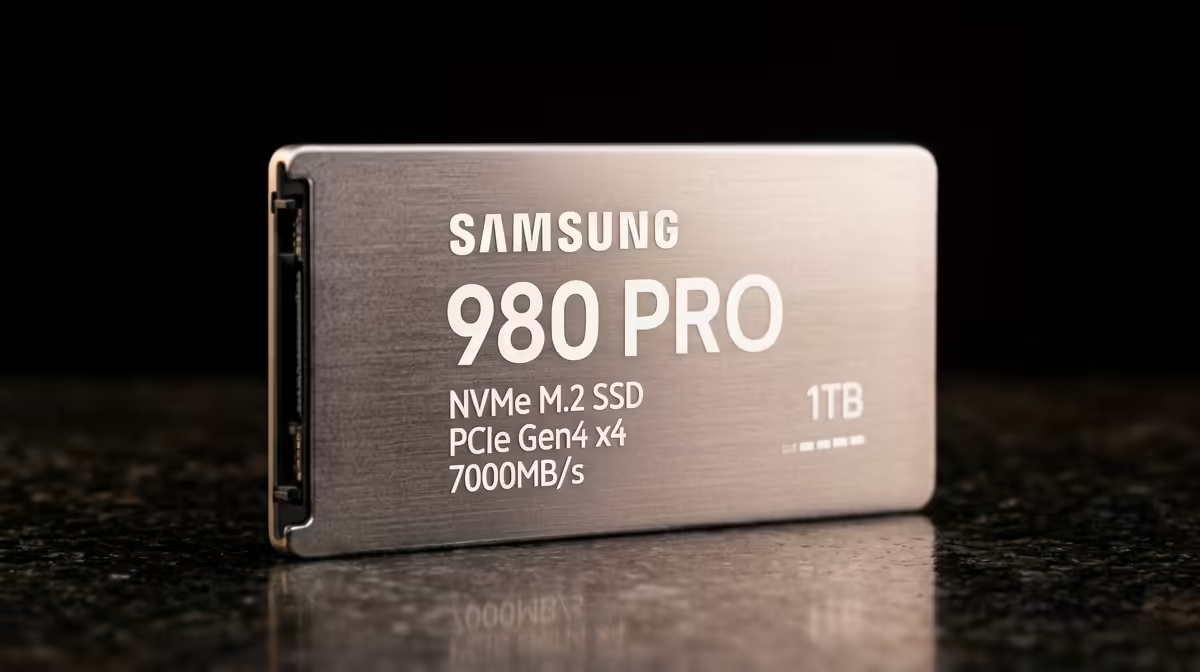
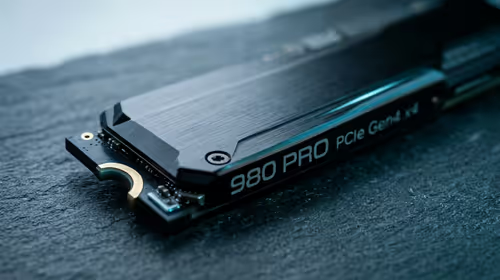
For podcasting from home, the NVMe SSD specs that matter are capacity and steady sustained write speed, not headline peak numbers. A 1TB Gen4 NVMe around R900-R1,600 with reliable sustained writes handles multi-track audio recording and editing with ease. Capacity matters most because raw audio projects and backups add up fast.
What podcasting asks of an SSD
Audio files are smaller than video but multi-track sessions, edits and backups accumulate quickly, so capacity is the first priority. A 1TB drive gives room for your DAW, plugins, project files and several episodes' worth of raw tracks. Sustained write speed matters when you record long sessions or export, but any decent Gen4 drive copes easily.
Why peak speed is overrated here
Podcast audio bitrates are tiny compared with a drive's throughput, so a 7,000MB/s Gen4 versus a 5,000MB/s drive makes no audible difference to recording. Do not pay a premium for the fastest Gen5 drive; put that money into a 1TB or 2TB capacity instead, which you will actually use.
A reliable podcasting setup
Use one NVMe for the OS and apps and, ideally, a second drive or external for project backups, since losing a recorded interview is the real disaster. A 1TB Gen4 NVMe plus a backup target covers a serious home podcast for a long time.
FAQ
How big an SSD do I need for podcasting?
1TB is the practical sweet spot. It holds your DAW, plugins and many episodes of multi-track audio, with room for edits. 2TB suits high-volume podcasters who keep large archives.
Does NVMe speed affect audio recording?
No. Audio bitrates are far below any modern SSD's throughput, so a fast Gen4 drive records and edits flawlessly. Spend on capacity, not peak speed.
Should I back up podcast projects to a second drive?
Yes. A separate drive or external for backups protects against losing a recorded interview, which is the worst-case failure. Treat backups as essential, not optional.
1TB Gen4 NVMe for your DAW and projects, and copy each finished recording to a second drive the same day. Losing a multi-track interview hurts far more than a few seconds of export speed ever would.