Quick Answer
At R10,000 in SA, a 165Hz esports setup covers the monitor and peripherals but not a full PC. A 24-inch 165Hz 1080p IPS monitor costs R2,500–R3,500 at Evetech, leaving R6,500–R7,500 for a PC component upgrade (GPU or full budget barebones). Budget R18,000–R22,000 for a complete 165Hz esports rig with a capable GPU.
What R10,000 Realistically Buys
Let's be direct about what R10,000 covers for a 165Hz esports setup:
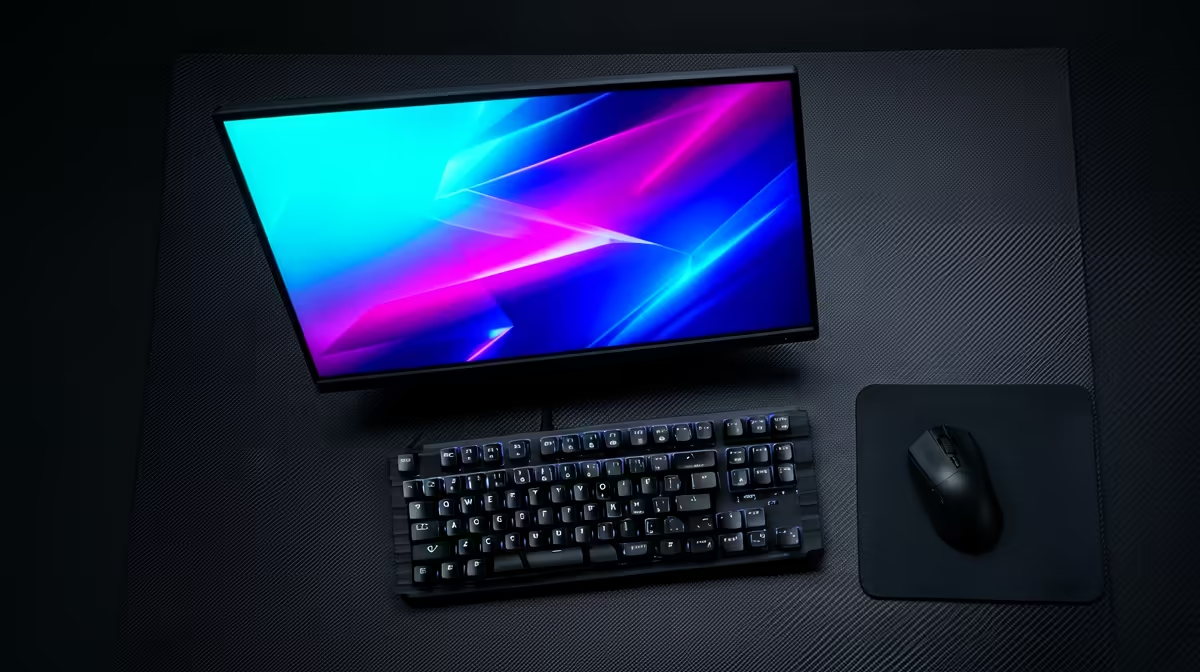
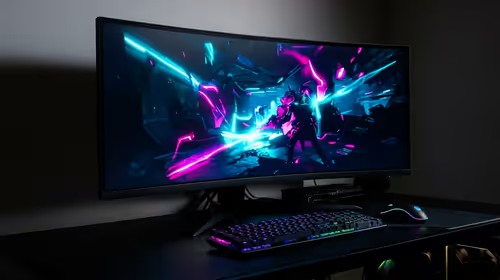
- Monitor + peripherals: a 165Hz 1080p 24-inch IPS panel (
R2,800) + gaming mouse (R700) + keyboard (R1,200) + headset (R1,000) = ~R5,700 — leaving ~R4,300 for PC components - GPU-only upgrade: an RX 6600 (
R3,800) or GTX 1660 Super (R3,200) fits within budget for buyers upgrading an existing PC - Complete PC at R10,000: entry-level only — a Ryzen 3 or Athlon processor with integrated graphics at this spend won't drive 165Hz gaming reliably
165Hz esports gameplay needs a GPU that produces 165+ fps consistently. The RX 6600 achieves this in Valorant (180–240fps at 1080p medium) and CS2 (150–200fps at 1080p medium).
Most Practical R10,000 165Hz Path
For SA buyers at R10,000 who already own a working PC:
- Buy a 165Hz 1080p 24-inch monitor (~R2,800)
- Add an RX 6600 GPU (~R3,800) if current GPU is below GTX 1060 / RX 580 class
- Keep R3,400 for RAM upgrade (16GB DDR4 ~R1,200) and peripherals
This produces a genuine 165Hz esports experience in Valorant, CS2, and Apex Legends without breaking R10,000.
FPS at 1080p with an RX 6600
- CS2 (medium, 1080p): 150–200 fps
- Valorant (medium, 1080p): 180–260 fps
- Apex Legends (medium, 1080p): 100–130 fps — may dip below 165Hz during hot drops
For Apex specifically, an RX 6700 (~R5,500) pushes above 165fps more consistently.
FAQ
What's the cheapest setup that can actually run 165Hz in CS2?
An RX 6600 (R3,800) paired with a Ryzen 5 5600 (R2,800) and a 165Hz 1080p monitor (~R2,800) totals ~R9,400 for GPU + CPU + display. With a basic motherboard and RAM, the full build lands at ~R15,000–R16,000. CS2 at 1080p medium on this configuration runs 150–200fps — above the 165Hz target.
Why does the body of this article focus on 165Hz rather than 240Hz or 360Hz?
The 165Hz price point is the optimal SA value zone for competitive gaming. 240Hz monitors cost R5,000–R8,000 versus R2,500–R3,500 for 165Hz panels. For most SA esports players, the extra R2,500–R4,500 is better spent on a GPU tier upgrade than a monitor refresh rate jump.
Is 165Hz noticeably better than 144Hz in practice?
The 15% frame rate headroom (165 vs 144) is subtle but real. More meaningful is that most 165Hz monitors also run at 144Hz as a fallback, so you get a 144Hz panel with an upgrade ceiling. For Valorant and CS2, the difference between 144Hz and 165Hz is visible in side-by-side testing but not a competitive dealbreaker.
Check Evetech's 165Hz 1080p monitor range for a 24-inch panel under R3,500 — the fastest way to upgrade a working PC to a genuine 165Hz esports setup without building from scratch.