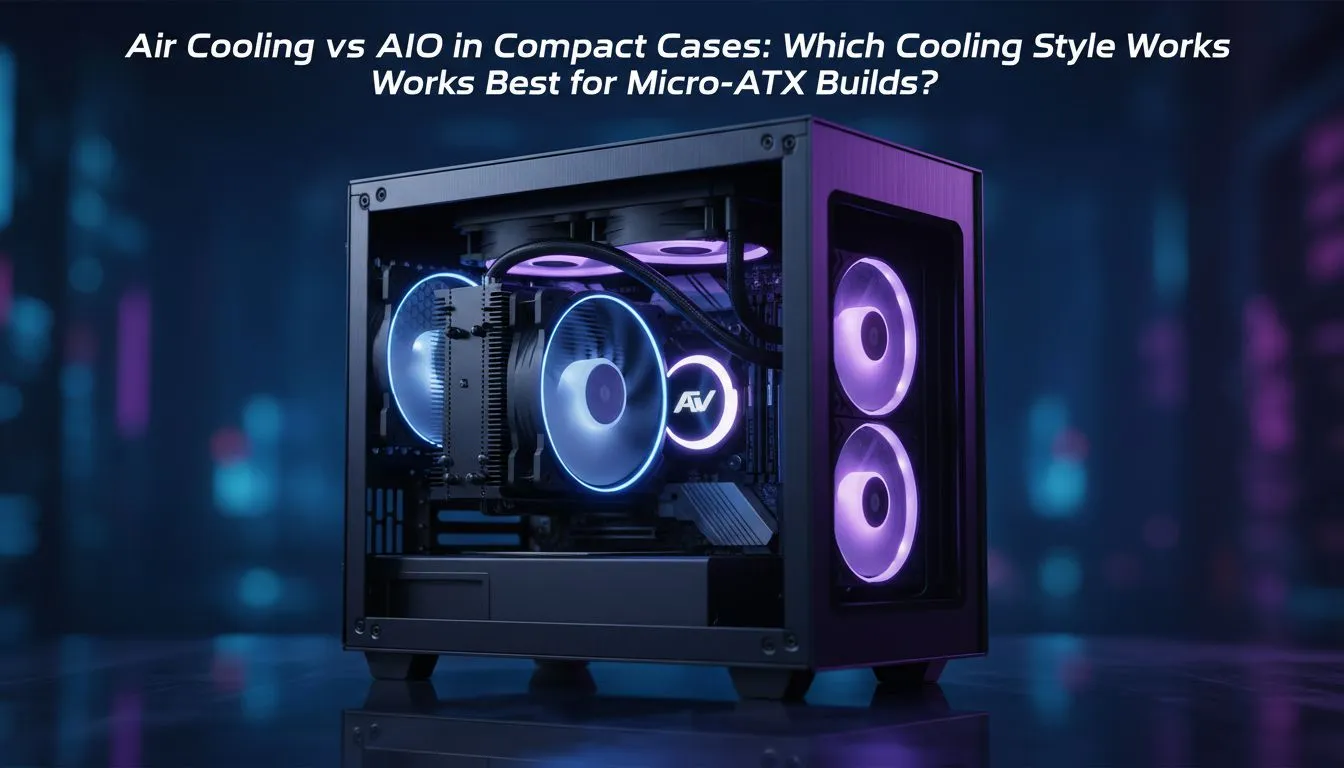
Building a Micro-ATX rig in South Africa often feels like a complex puzzle. You want high-end performance without the massive footprint of a full tower. However, smaller cases mean tighter spaces and less air to breathe. Deciding between Air Cooling vs AIO Micro-ATX setups is the first major hurdle for any builder. Let’s find the right thermal solution to keep your frame rates high during a sweltering Durban summer.
Understanding the Air Cooling vs AIO Micro-ATX Debate
The choice usually comes down to two factors... clearance and consistency. Air coolers are the reliable workhorses of the PC world. They have fewer moving parts and zero risk of leaks. Most modern computer cases are designed with tower cooler height in mind. If you choose a high-quality air cooler, it can last through multiple upgrades without ever needing a rethink.
Why Air Cooling Wins for Budget Builds
For many South African gamers, value is the top priority. You can find incredible Gamdias gaming cases under R1500 that offer excellent airflow for air-cooled setups. Air coolers are generally more affordable than liquid alternatives. They also provide "down-draft" cooling that helps keep your motherboard's VRMs chilly. This is vital when you are pushing a mid-range CPU to its limits in a compact chassis.
Airflow Pro Tip ⚡
When building in a Micro-ATX chassis, always prioritise static pressure fans for your intake. This helps push fresh air through tight drive cages and cluttered cables... ensuring your GPU doesn't choke during a long session of Warzone or Cyberpunk 2077.
The Case for AIO Liquid Cooling
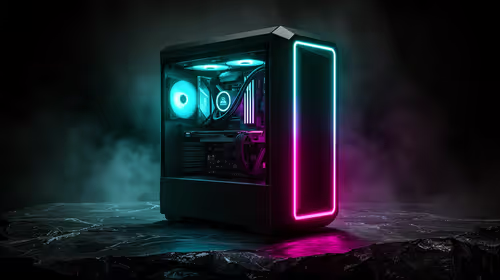
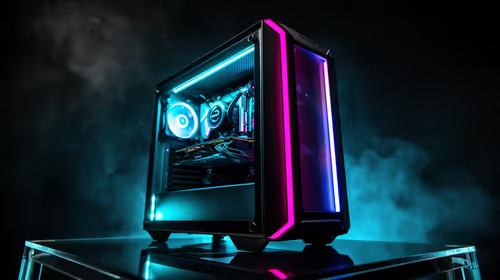
All-In-One (AIO) liquid coolers offer a different kind of flexibility. Because the heat is moved via tubes to a radiator, you can exhaust it directly out of the case. This prevents heat soak inside the small cabin of a Micro-ATX build. Premium options like Fractal Design PC cases are famous for their smart radiator support. An AIO also gives you a much cleaner look. It leaves the centre of your motherboard visible... perfect for showing off your RGB RAM.
Clearance and Compatibility Constraints
Before you buy, you must check your dimensions. Micro-ATX cases vary wildly in size. Some Gamdias gaming cases provide ample room for a 240mm radiator at the top... while others require front mounting. Front mounting an AIO can sometimes limit the length of your graphics card. Always measure twice... and buy once. If your case is exceptionally narrow, a low-profile air cooler might be your only viable path.
Making the Final Call
If you want a "set and forget" system, air cooling is your best bet. It is simple and effective. If you want the lowest possible temperatures and a sleek aesthetic, an AIO is the way to go. Both paths lead to a powerful, compact gaming machine that can handle anything the local gaming scene throws at it.
Ready to Find Your Perfect Match?
The Air Cooling vs AIO Micro-ATX debate is complex, but for maximum power, choice, and value in South Africa, Evetech is hard to beat. Explore our massive range of computer cases and find the perfect chassis to house your next dream build.