Quick Answer
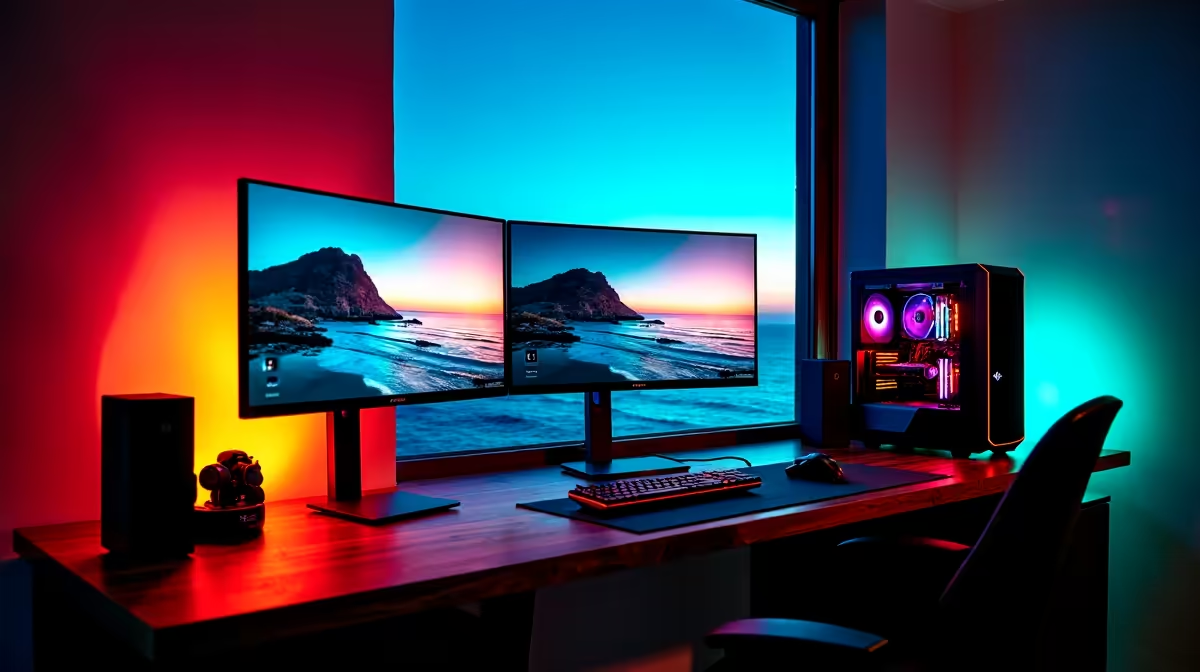
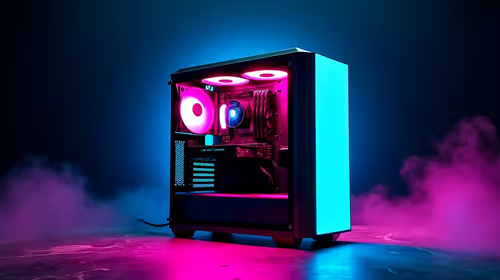
A Hermanus setup for strategy and sim games should favour a strong single-thread CPU and 32GB RAM, since late-game turns and large simulations lean hard on the processor. A Ryzen 7 with high clocks, 32GB RAM, an RTX 4060, and a 1440p monitor handle big maps smoothly, with the tower around R18,000 to R24,000. Look at single-thread benchmarks, not just core counts, since late-game turn times depend on per-core speed. A mid-range RTX 4060 is plenty for the genre's modest visuals at 1440p.
Why The CPU Leads
Grand strategy and city builders calculate thousands of units, agents, or tiles each turn or tick, which is a CPU job. Strong single-thread performance shortens those long end-game turns and keeps simulations responsive. A flagship GPU adds little here, so an RTX 4060 is plenty for the typically modest visuals of the genre at 1440p.
Memory And The Long Game
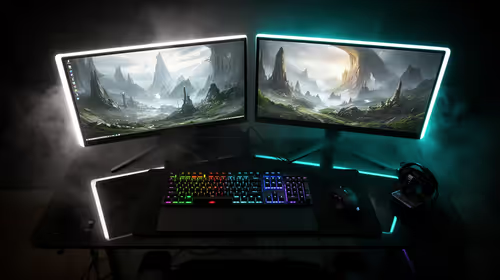
Large save files and complex simulations consume memory, so 32GB RAM keeps late-game sessions from slowing or stuttering. A 1440p monitor gives the screen space to see sprawling maps and dense UIs clearly, and a fast NVMe SSD cuts the load times that big strategy saves are known for. Comfort matters too for marathon campaigns.
FAQ
Why are strategy games CPU-heavy?
They simulate many units, agents, and calculations each turn or tick, which the CPU handles. Strong single-thread speed shortens late-game turn times more than any GPU upgrade.
Do I need a powerful GPU for strategy games?
Usually not. The genre's visuals are modest, so a mid-range card like an RTX 4060 is enough at 1440p. The processor and RAM matter far more.
How much RAM for late-game simulations?
32GB keeps large saves and complex simulations smooth. 16GB can struggle as a campaign grows, so 32GB is the comfortable target for serious strategy players.
Pro Tip
For strategy games, look at CPU single-thread benchmarks, not just core counts. Late-game turn times depend heavily on per-core speed, which is what keeps a long campaign from grinding to a crawl.