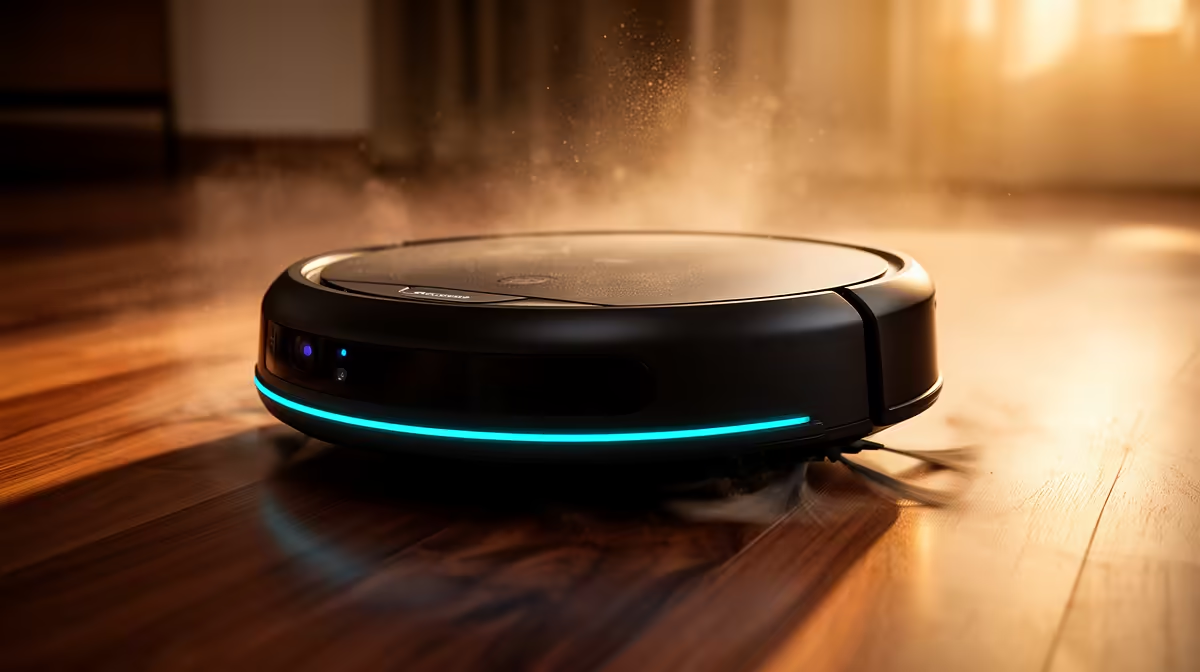
A home with a shedding dog or a long-haired cat generates a surprising amount of fur, and sweeping it daily gets old fast. The fix is to let a robot vacuum handle it on a schedule while you do anything else. With the right brush design and a self-empty dock, a pet-hair home can stay clean almost entirely hands-off, with you touching the bin only every few weeks.
Quick Answer
Set a robot vacuum to run a daily scheduled pass, fit it with anti-tangle brushes so pet hair does not wrap the roller, and use a self-empty dock so weeks of fur offload into a sealed base bag automatically. Schedule the run while pets rest in another room for better coverage. That combination keeps floors clear with almost no daily effort.
Pick the right hardware first
The two features that decide whether this actually works are the brush and the dock. Standard bristle rollers tangle badly with pet hair, wrapping into a felted band that has to be cut off with scissors. Anti-tangle brushes, usually a rubber or comb-style design, let hair feed through to the bin instead of binding around the roller.
The self-empty dock is the other half. After each run the robot returns to base and a vacuum in the dock pulls the collected hair into a large sealed bag. That bag holds weeks of fur, so instead of emptying a small onboard bin after every clean, you swap the bag roughly monthly. For a fur-heavy home those two features are non-negotiable, and the smart home and appliances range is a good place to compare models that have both.
Set up automatic daily cleaning
Once the hardware is sorted, the routine is what makes it hands-off. Follow these steps.
- Map the home first. Let the robot do an initial mapping run so it learns your floor plan. Most app-driven models build a map you can then edit, which makes everything after this faster and more accurate.
- Schedule a daily pass. In the app, set the robot to clean once a day, every day. Daily runs stop fur from building up, so each pass is light and quick rather than fighting a week's accumulation. Pet hair is best managed little and often.
- Run it while pets are resting elsewhere. Schedule the clean for a time your dog or cat is settled in another room or outside. Pets following the robot around, or being startled by it, reduce coverage and can leave patches uncleaned. A calm floor cleans more thoroughly.
- Set no-go zones. Use the app to block off pet feeding stations and water bowls so the robot does not scatter kibble or roll through spills. This keeps both the floor and the robot cleaner.
- Confirm the dock empties automatically. After the first scheduled run, check that the robot returns to base and the dock empties the bin. With that confirmed, the daily cycle now handles itself: clean, dock, empty, repeat.
Keep it running well
A robot working in a fur-heavy home needs a little upkeep to stay effective. Even with anti-tangle brushes, check the roller every couple of weeks and clear any hair that has gathered at the ends near the bearings. Wipe the sensors and the charging contacts so the robot keeps navigating and docking reliably.
Swap the sealed dock bag when the app flags it, usually monthly in a pet home, and keep a spare filter on hand since fur clogs filters faster than ordinary dust. A few replacement brushes and filters from the accessories best sellers mean a two-minute refresh rather than a drop in performance.
Frequently Asked Questions
Will a robot vacuum tangle on long pet hair?
Models with anti-tangle brushes, the rubber or comb-style rollers, are designed to feed hair through to the bin instead of wrapping it. Standard bristle brushes tangle far more, so the brush type is the key thing to check for a pet home.
How often should the robot run in a pet home?
Daily. A light pass every day stops fur from building up and keeps each clean quick. Less frequent runs let hair accumulate, which the robot then struggles to clear in one pass.
Do I still have to empty anything?
Far less often. A self-empty dock pulls each run's hair into a large sealed bag, so you swap the bag roughly monthly instead of emptying a small bin after every clean.
Why schedule cleaning when pets are away from the floor?
Pets chasing or avoiding the robot reduce its coverage and can leave areas uncleaned. Running it while they rest in another room or outside lets it cover the floor properly.
What maintenance does it need?
Check the brush for trapped hair every couple of weeks, wipe the sensors and contacts, replace the dock bag monthly, and keep a spare filter since pet hair clogs filters faster than normal dust.
A robot vacuum with anti-tangle brushes and a self-empty dock turns daily fur-sweeping into a problem you forget about. Browse the smart home and robot vacuum range at Evetech and set your pet-hair cleaning on autopilot.