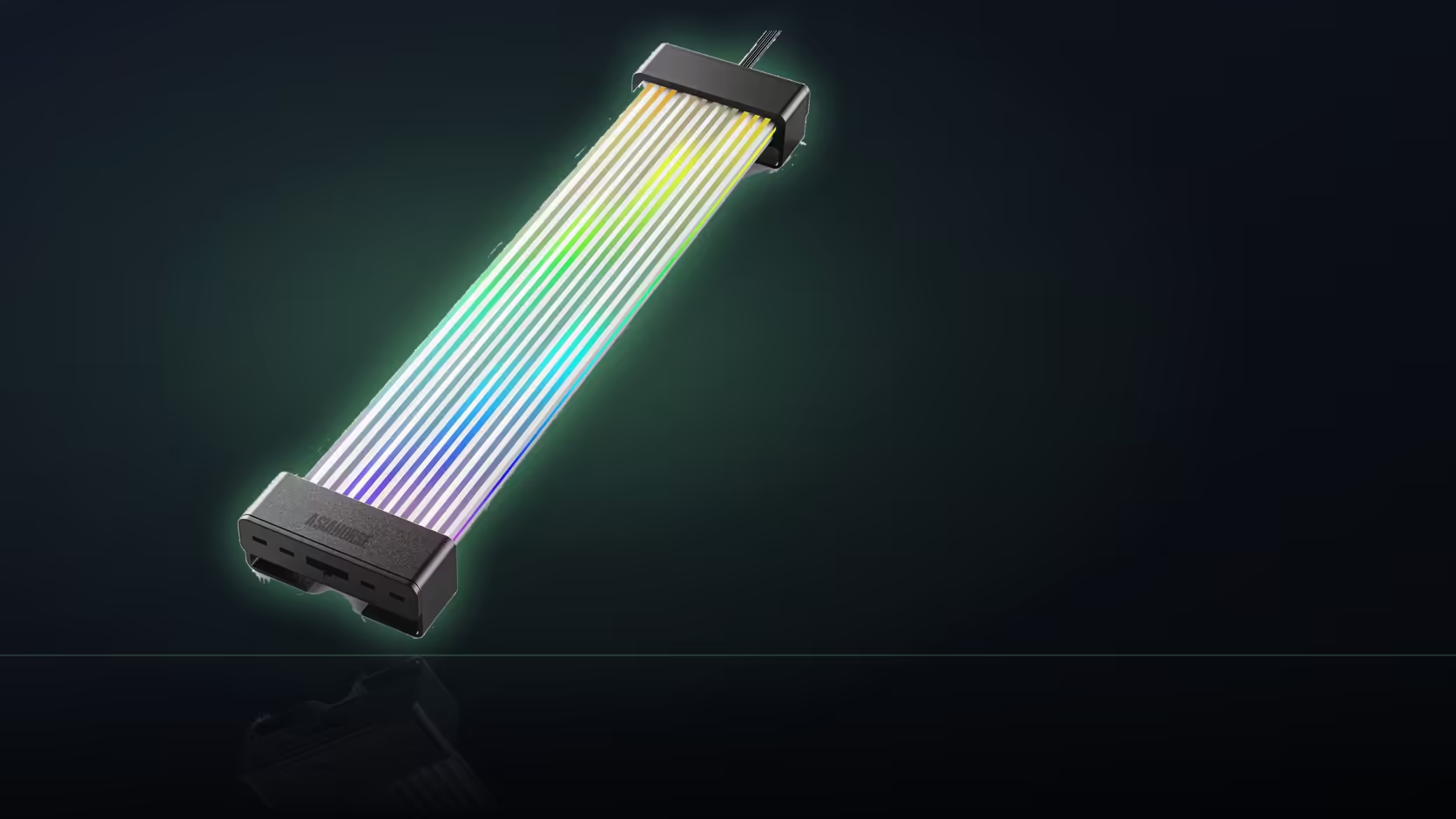
Handing a finished PC to someone else feels like the easy part once the build itself is done, but a small detail like which control mode the Aurora Learn ARGB PSU Cable Cover happens to be running in can turn a straightforward handover into a genuinely confusing first hour for whoever receives it.
Quick Answer
Before a machine fitted with Aurora Learn changes hands, write down whether the R599 cover is running from its included remote or from board sync, since the two behave quite differently and a new owner has no way of telling which is active just by looking. Without that note, someone opening the board's own lighting software can spend real time wondering why nothing they change there has any visible effect, simply because the cover is not currently listening to it at all.
⚠️ Why the confusion happens in the first place
Board software has genuinely no effect on the cover while its own controller is driving the lighting, and that behaves exactly like a fault to someone who does not already know the cover has two entirely separate control routes.
📝 What a handover note should actually cover
Which mode is currently active
Naming the current mode directly tells the new owner exactly where to make changes, rather than leaving them to guess between board software and a physical remote.
Where the controller and remote are
Both the controller's location and the remote's whereabouts matter, since a new owner reorganising cables genuinely needs to know the controller depends on its SATA connection to the power supply.
Which preset was left running
Noting which of the 124-plus presets was active saves a new owner cycling through the entire library just to rediscover a scene that was already dialled in and working.
📦 Does this apply when the machine is sold rather than gifted?
The same information belongs with the machine either way, travelling alongside the remote itself, so the lighting stays genuinely usable for whoever ends up with it next rather than becoming a mystery.
🧾 Extending the note to the rest of the build's lighting
If the build also carries a case lighting purchase running alongside it, the same short note is worth extending to cover that too, rather than leaving the new owner to work out each lit component's control method separately. A single page listing every control mode in the case takes a few minutes to write and can save the new owner a genuinely confusing first evening spent guessing at settings that were already correct.
🤝 Handovers where a quick verbal note is not possible
Selling a machine to a stranger, rather than handing it to a friend or family member, is exactly when a written note matters most, since there is no opportunity for the new owner to simply ask a question if something about the lighting does not behave as expected once they get it home and start exploring what the build can do, well after any chance to simply ask the previous owner has passed. A short paragraph costs the seller almost nothing to write and can be the difference between a buyer who is happy with their purchase and one left messaging asking why a feature they paid for seems to be broken.
🗒️ Where a written note is actually most useful
Taped inside the side panel, or saved as a simple text file left on the desktop, tends to work better than a note that can be misplaced along with the remote itself, since it stays with the machine even if the accessory bag goes missing during the handover.
Frequently Asked Questions
Why does the active control mode matter to a new owner?
Because board software has no visible effect while the controller drives the cover, which reads as a fault rather than as a setting choice.
What should a proper handover note actually include?
Which mode is active, where the controller sits, and where the remote is, since all three are needed to change anything at all.
Is the remote genuinely easy to overlook during a handover?
Very. A small handheld item is often the first thing left behind when a machine changes hands, and without it presets cannot be changed.
Does the SATA connection itself need mentioning in the note?
Mentioning it helps, since a new owner reorganising cables needs to know the controller depends on that specific connection to work.
What if the machine is being sold rather than gifted?
The same information should travel with it, along with the remote, so the lighting remains genuinely usable for the next owner.
Is it worth recording which preset was left active?
Yes, noting the active scene saves the new owner cycling through a library of 124 or more just to find it again.
Does this advice apply equally when board sync was the active mode?
It does, since knowing the cover follows board software tells the new owner exactly where to go to make any changes.
Handing over a build with Aurora Learn installed?
Check Evetech's power supply range and leave a clear note before the machine changes hands.