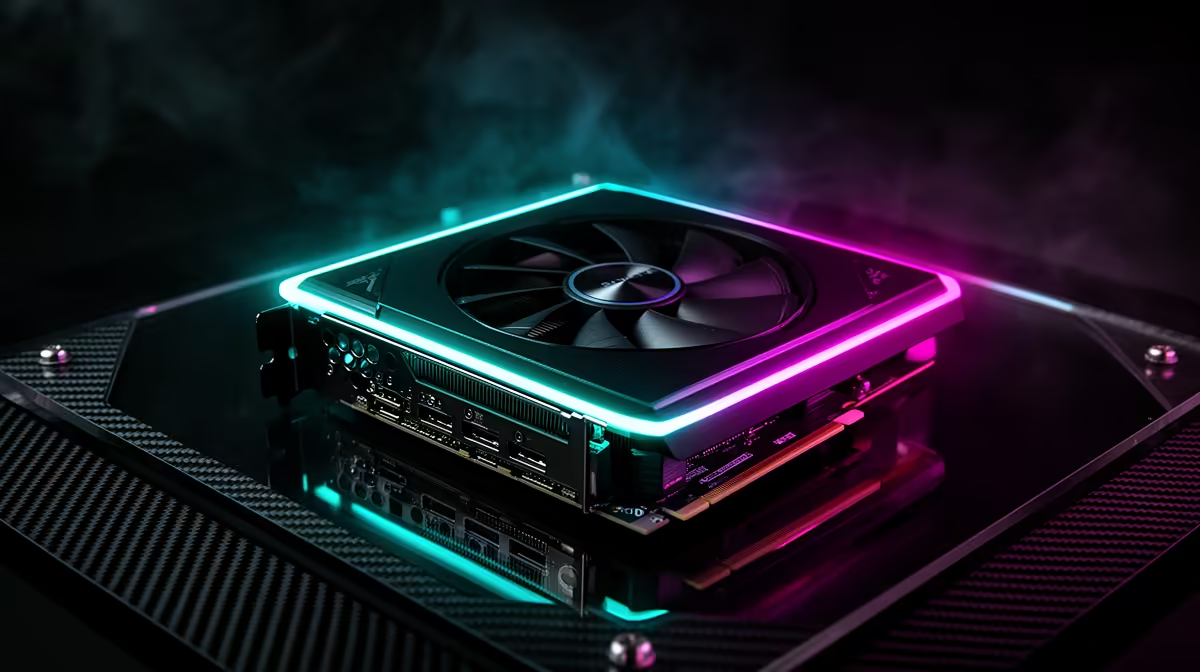
Lag on an RX 9070 XT build is a broad symptom, so the goal is to separate input lag, network lag, and frame-rate dips, because each has a different fix. Pin down which one you are feeling first.
Quick Answer
Lag on an RX 9070 XT build splits into three causes: low frame rate, network latency, or input delay. Check in-game frame rate and ping, clean-install the Radeon driver, and confirm V-Sync settings are not adding input delay. Identifying which lag you have points straight to the fix.
Separate frame, network and input lag
Turn on the in-game performance overlay to see frame rate and ping at once. Low frame rate that stutters points at the GPU or settings; high ping points at the network; smooth frames that still feel delayed point at input lag from V-Sync or a slow display. The RX 9070 XT is fast, so a frame-rate problem usually means settings or a driver, not the card.
Tune drivers, settings and display path
Clean-install the Adrenalin driver to clear corrupt files. In demanding titles, lower one or two heavy settings to confirm the card holds a high frame rate. For input feel, disable V-Sync or use a low-latency mode, and ensure the monitor runs at its native high refresh rate. Each change isolates one source of lag so you can confirm the fix.
FAQ
How do I tell network lag from frame lag?
Use the in-game overlay. High ping means network lag; low frame rate or stutter means a GPU or settings issue. They need different fixes.
Does V-Sync cause input lag?
It can add noticeable input delay. Disabling it or using a low-latency mode reduces the lag while a high-refresh monitor keeps tearing in check.
Is the RX 9070 XT fast enough to avoid lag?
Yes, it is a high-end card. Frame-rate lag usually comes from settings, a driver fault, or a CPU bottleneck rather than the card itself.
Identify which lag you feel, then fix that one. If a slow display is adding input delay, compare high-refresh monitors at Evetech to pair with the RX 9070 XT.