Quick Answer
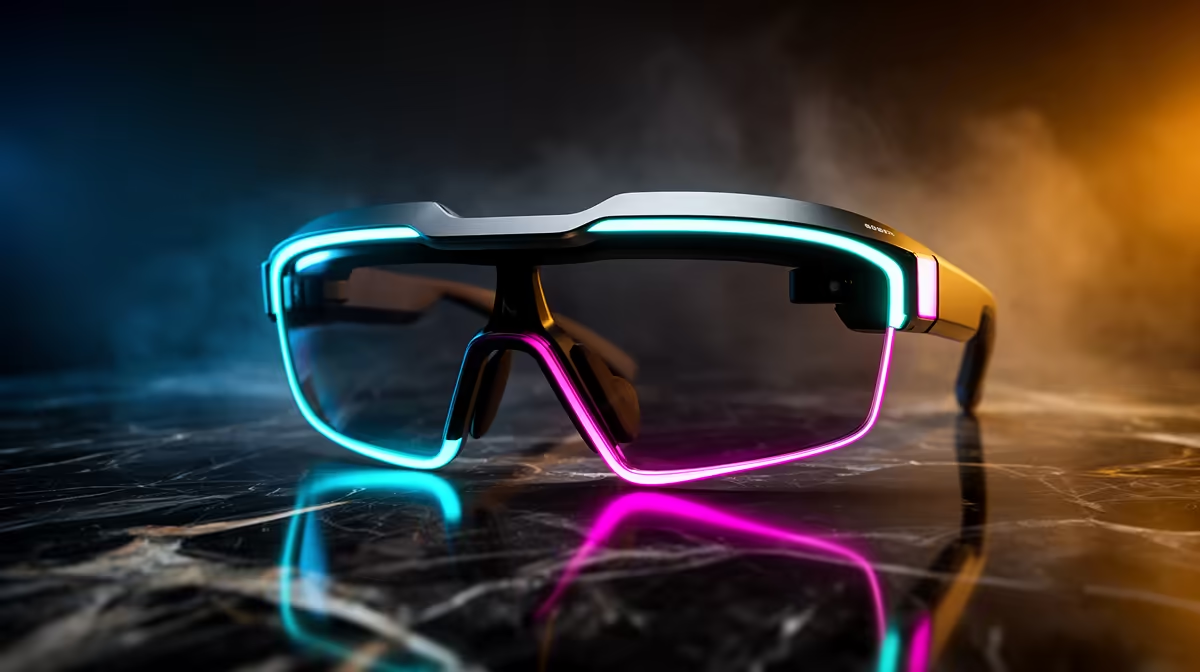
For a matric-to-varsity upgrade, an AR glasses checklist is 1080p-per-eye resolution, sub-80g weight, and USB-C plug-and-play display support, for around R6,500 to R12,000 landed. They give a new student a big portable screen for lectures and study where a second monitor will not fit in res.
The Checklist For A New Student
A school leaver heading to varsity often lives in a cramped res room where a second monitor is impractical, and AR glasses solve that by acting as a large portable screen. The checklist is simple: 1080p per eye so lecture slides and documents read clearly, a weight under 80g so they stay comfortable through long study blocks, and USB-C plug-and-play so they present as a standard external display. A field of view of 45 to 50 degrees sets how much you see at once.
These glasses are a study aid, so sequence the buy after your essential laptop and connectivity.
Compatibility And Real Use
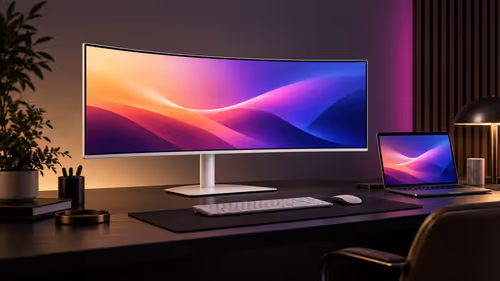
Confirm your laptop's USB-C port outputs video over DisplayPort before buying, and check for prescription-insert support if you wear glasses. Models like the XReal One and Viture Pro land around R6,500 to R12,000 imported and present as a second 1080p screen needing no special software. For a varsity student, that turns a small laptop into a virtual 100-inch display for lectures, reading, and media in a tiny room.
Where AR Glasses Sit In The Upgrade Plan
Buy your core study hardware first, a reliable laptop, storage, and connectivity, then add AR glasses as a space-saving screen upgrade. Budget for landed import cost, since most ship from abroad. For a student who values portability and a clutter-free room, AR glasses are a smart later-phase addition rather than a day-one essential.
FAQ
Are AR glasses worth it for a new varsity student?
They can be, as a space-saving portable screen for lectures and study in a cramped res room. Buy them after your essential laptop and connectivity, not before, since they are a study aid.
What does an AR glasses checklist include?
It includes 1080p-per-eye resolution, a weight under 80g, USB-C plug-and-play display support, and prescription-insert compatibility if needed. These decide whether the glasses suit long study sessions.
How much do AR glasses cost for a student?
Models like the XReal One or Viture Pro land around R6,500 to R12,000 once imported. Budget for shipping and duties, and treat the glasses as a later upgrade after core study gear.
laptop, storage, and connection first, then add AR glasses as a later upgrade; confirm your USB-C port outputs DisplayPort video so they can serve as a portable study screen.