Quick Answer
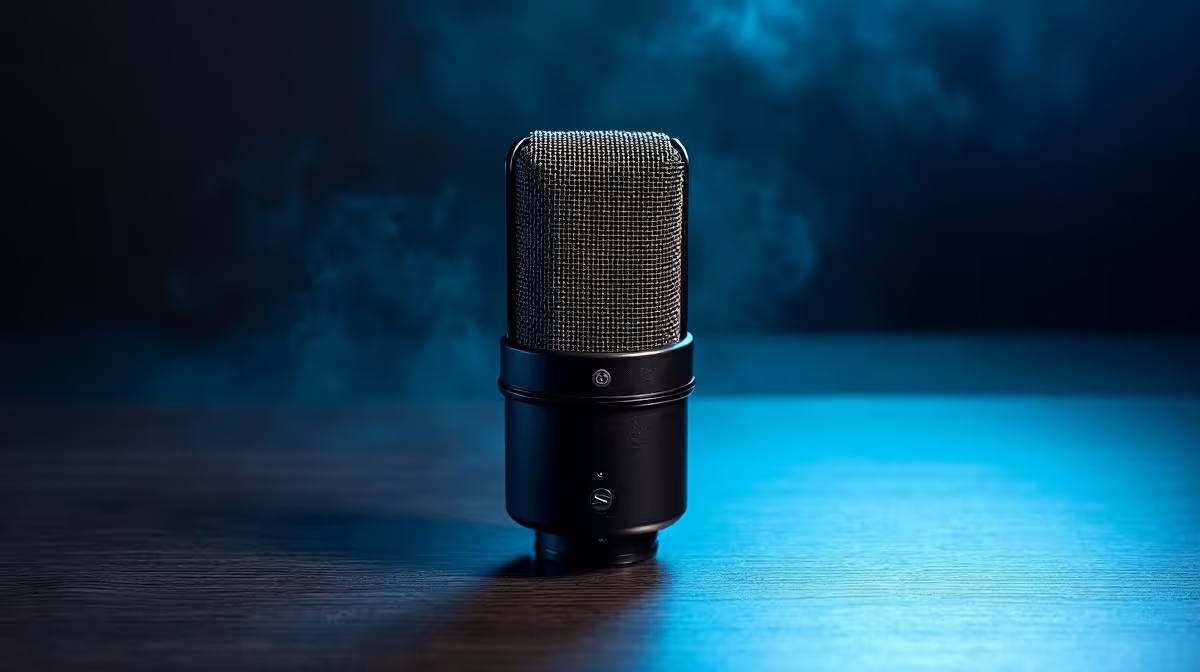
Bryanston buyers shopping for a studio microphone will find USB models like the Blue Yeti (R3,200) and HyperX QuadCast S (R2,800) most reliably stocked at Evetech. For XLR-based setups with an audio interface, the Audio-Technica AT2020 (R1,800) paired with a Focusrite Scarlett Solo (R2,200) delivers professional-quality recording at a combined ~R4,000.
USB vs XLR Microphone for Bryanston Buyers
USB microphones connect directly to a PC or Mac with no additional hardware — ideal for Bryanston remote workers and streamers who want immediate setup. XLR microphones require an audio interface but offer better signal quality, more flexibility, and are upgradeable independently. For most Bryanston buyers doing Teams/Zoom calls or basic streaming, USB is the right starting point. For professional podcast recording, voiceover, or music, XLR is worth the additional investment.
Studio Microphone SKUs and ZAR Pricing for Bryanston Buyers
- HyperX SoloCast (~R1,200) — USB cardioid, compact, plug-and-play, Teams/Zoom use
- HyperX QuadCast S (~R2,800) — USB, RGB, cardioid/omnidirectional/bidirectional/stereo patterns, streamer favourite
- Blue Yeti (~R3,200) — USB, 4 polar patterns, internal headphone monitoring, best all-round USB mic
- Audio-Technica AT2020 (
R1,800 XLR) + Focusrite Scarlett Solo (R2,200) — best entry XLR setup at ~R4,000 total
Acoustic Considerations for Bryanston Home Studios
Bryanston home studios vary from spare bedrooms to dedicated setups. Cardioid pattern mics (like the AT2020 and HyperX SoloCast) reject room echo from behind the mic, which matters in untreated rooms. Pair with a boom arm (from R400 locally) and a reflection filter (R600) to reduce room reverb without expensive acoustic treatment.
FAQ
What is the best USB studio microphone under R3,500 for Bryanston buyers?
The Blue Yeti at ~R3,200 is the best USB microphone under R3,500 — it offers four polar patterns (cardioid, bidirectional, omnidirectional, stereo), on-mic headphone monitoring, and a solid metal build. For buyers with a tighter budget, the HyperX QuadCast S at ~R2,800 is a strong alternative with similar features and integrated RGB.
Do I need an audio interface for a studio microphone in a Bryanston home setup?
Only if you choose an XLR microphone. USB microphones like the Blue Yeti and HyperX QuadCast S connect directly to a PC without an interface. If you want the audio quality step-up of XLR, the Focusrite Scarlett Solo (~R2,200) is the most beginner-friendly interface and pairs well with the AT2020.
What polar pattern should a Bryanston remote worker choose for video calls?
Cardioid pattern is the right choice for solo remote work calls — it captures sound from the front only and rejects room noise from behind. Omnidirectional patterns pick up room ambience too aggressively in typical Bryanston home offices. All USB microphones listed here default to cardioid as their primary mode.
using a USB mic for Teams calls should check Windows Sound Settings after plugging in — set the mic as the default recording device and set its input level to 60–70% to avoid clipping on louder speech. Many call quality issues are caused by Windows auto-gain set to 100%.