Quick Answer
The best studio microphone for remote work is usually a USB condenser or dynamic mic with clear voice pickup and simple gain control. SA shortlist anchors include Audio-Technica AT2020USB-X, Rode NT-USB Mini, HyperX QuadCast, Elgato Wave:3, and Fifine K688, with broad pricing around R900 to R4,000. For Pretoria East, buy around fit, support, and delivery practicality rather than chasing the loudest spec.
Local Fit Checks
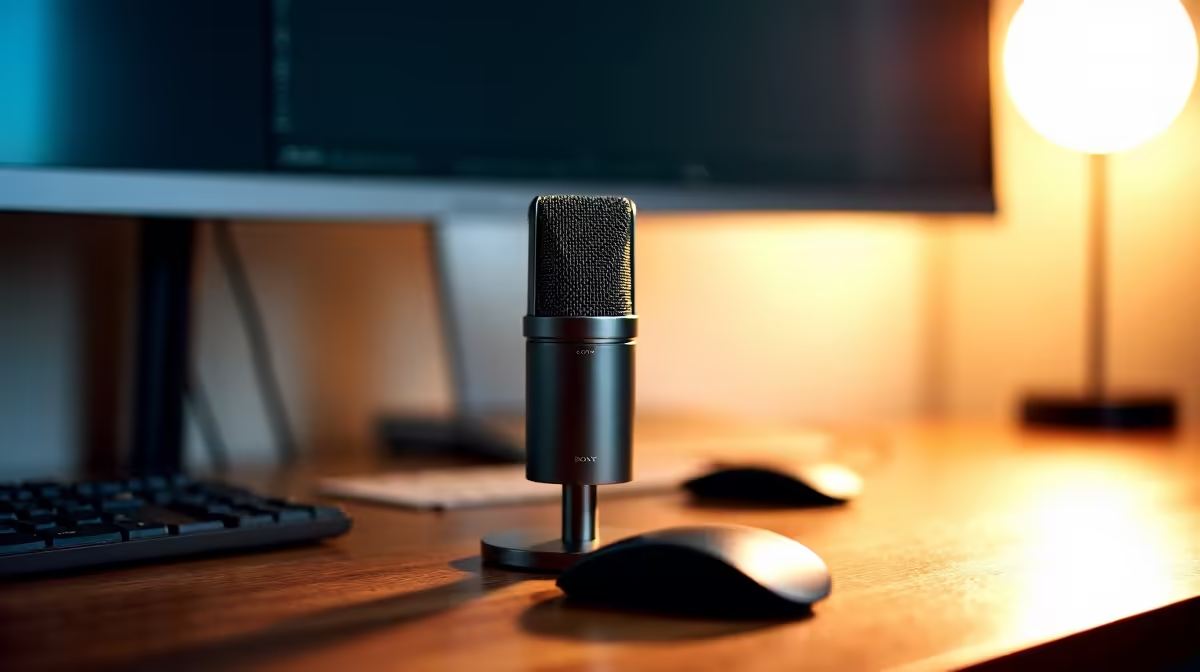
Choose USB if you want simple setup; choose XLR only if you already plan to buy an audio interface. Dynamic mics reject more room noise, while condenser mics sound more open but pick up keyboards and echo. A boom arm and pop filter can improve sound more than jumping to a much pricier microphone.
Specs Worth Checking
For Teams, Discord, podcasts, and streaming, aim for clean speech rather than radio-style bass. A 24-bit USB mic with direct monitoring is convenient. If your room has tiles or bare walls, a dynamic USB/XLR model such as a K688-style mic can be easier than a sensitive condenser. Keep the mic 10-20 cm from your mouth for stable level.
Final Fit Test
For Pretoria East remote workers, background noise is the daily test. Nearby traffic, family, and mechanical keyboards can ruin a good microphone if placement is poor. Put the mic on a boom arm away from the desk surface so typing vibrations do not travel into the recording. The common mistake is buying from a headline feature without checking the physical fit, warranty path, and the daily routine around the product. Keep the shortlist to two or three realistic options, then compare the spec that changes your actual use: cooling noise, desk space, frame rate, connection stability, or typing comfort.
FAQ
Is USB good enough for work calls?
Yes. A good USB microphone is more than enough for meetings, streaming, and basic recording. XLR is mainly for users who want an audio interface and more control.
Should I buy condenser or dynamic?
Choose condenser for a quiet treated room and a more open sound. Choose dynamic if your room is noisy or echoey.
What accessories matter most?
A boom arm, pop filter, and headphones for monitoring matter most. They improve placement and reduce plosives before you spend more on the mic itself.
Buyer Check
Place the microphone close to your mouth and lower the gain; distance and gain control beat software cleanup.