Quick Answer
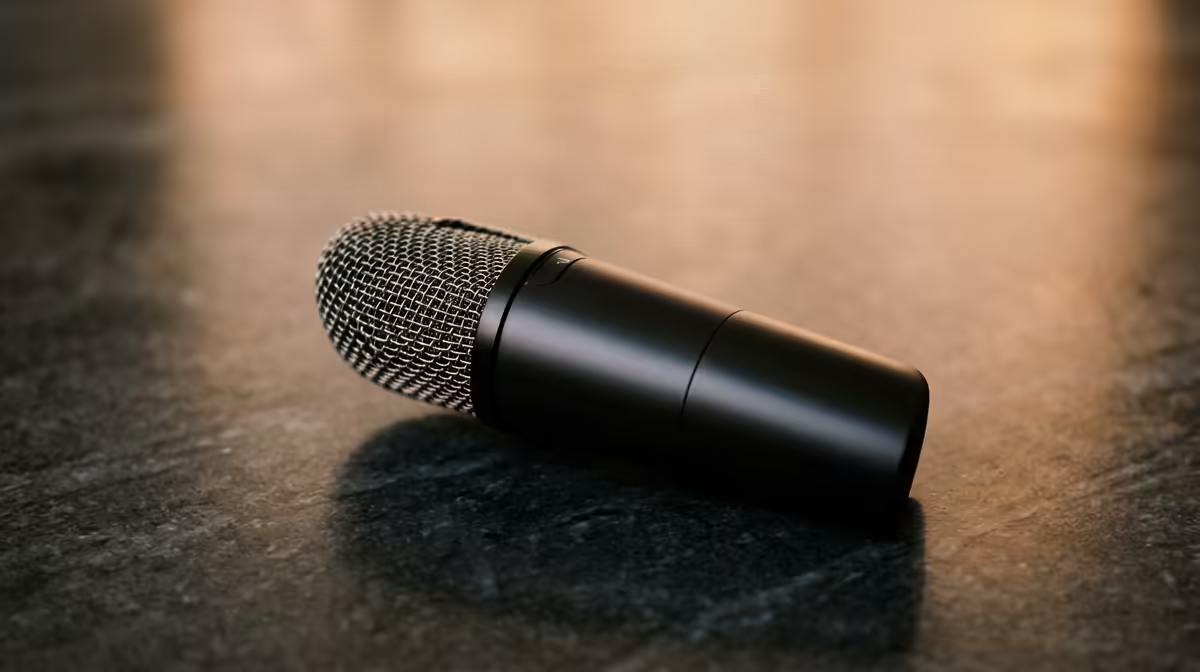
For Vereeniging remote workers, the right studio microphone is a USB cardioid condenser — stocked at Evetech from around R1,200. It plugs directly into a laptop, needs no audio interface, and delivers noticeably cleaner voice quality than any built-in laptop or monitor mic for Teams, Zoom, and podcast recordings.
What Makes a Studio Mic Different from a Headset Mic
A studio-grade condenser microphone uses a larger diaphragm (typically 14 mm or wider) that captures more of the frequency spectrum — particularly the 80 Hz–8 kHz range that makes voices sound warm and present. Headset microphones use tiny electret capsules that compress that range and add background hiss. For remote workers doing daily video calls, the clearer pick-up of a standalone condenser mic reduces listener fatigue on the other end of the call — a practical benefit when you're in back-to-back meetings.
USB Models vs XLR Setup
USB condenser mics require nothing extra — plug into a laptop USB-A or USB-C port, select the device in Windows Sound, and you're ready. XLR microphones need a USB audio interface (R1,800–R3,500 range) and offer better dynamic range, making them relevant for content creators but unnecessary for most remote workers. Stick to USB unless you're also recording music or professional podcast content.
Vereeniging and the Vaal Triangle Home-Office Context
Vereeniging residents benefit from growing fibre coverage via Openserve. On a 50 Mbps or faster fibre line, a quality microphone becomes the main differentiator in call clarity — bandwidth is no longer the bottleneck, audio hardware is. A cardioid pattern mic that rejects the TV or background conversation common in shared Vaal Triangle homes adds noticeable professionalism to remote work calls.
FAQ
What is a cardioid pickup pattern and why does it matter?
A cardioid pattern captures sound primarily from the front of the mic, rejecting noise from the sides and rear. For home offices where background sound is common, cardioid mics keep your voice clear while ignoring conversations, fans, or street noise behind the microphone.
How much should a Vereeniging remote worker spend on a microphone?
A USB cardioid condenser in the R1,200–R2,500 range at Evetech covers everything a remote worker needs. Spending above R3,000 gets you XLR studio mics designed for music or broadcast recording — the quality improvement is real but irrelevant for Teams and Zoom calls.
Does Evetech deliver to Vereeniging?
Yes. Vereeniging and the wider Vaal Triangle are covered by standard Evetech courier delivery. For current delivery times and costs, see our delivery page. A tracking number and the courier name are emailed when the order is dispatched.
microphone on a small foam pad or rubber-footed stand to isolate it from desk vibrations — typing on a keyboard transmits through the desk surface and appears as low-frequency rumble on recordings if the mic is in direct contact with the desk.