Smart glasses have crossed from gimmick to genuinely useful, but the headline products carry headline prices. The good news is that getting into mainstream AI eyewear no longer means buying the most expensive model in the range. The cheapest AI smart glasses worth owning right now are the standard audio-and-camera Ray-Ban Meta, which deliver the core experience without the wristband-and-display premium that doubles the price of the flagship.
Quick Answer
The audio-only Ray-Ban Meta, starting around 299 dollars to 379 dollars depending on lenses (roughly R8,500 to R10,800 once landed in SA), is the lowest-cost way into mainstream AI glasses. You get the camera, open-ear speakers and the built-in assistant without paying the 799-dollar price of the display model.
What you actually get at the entry point
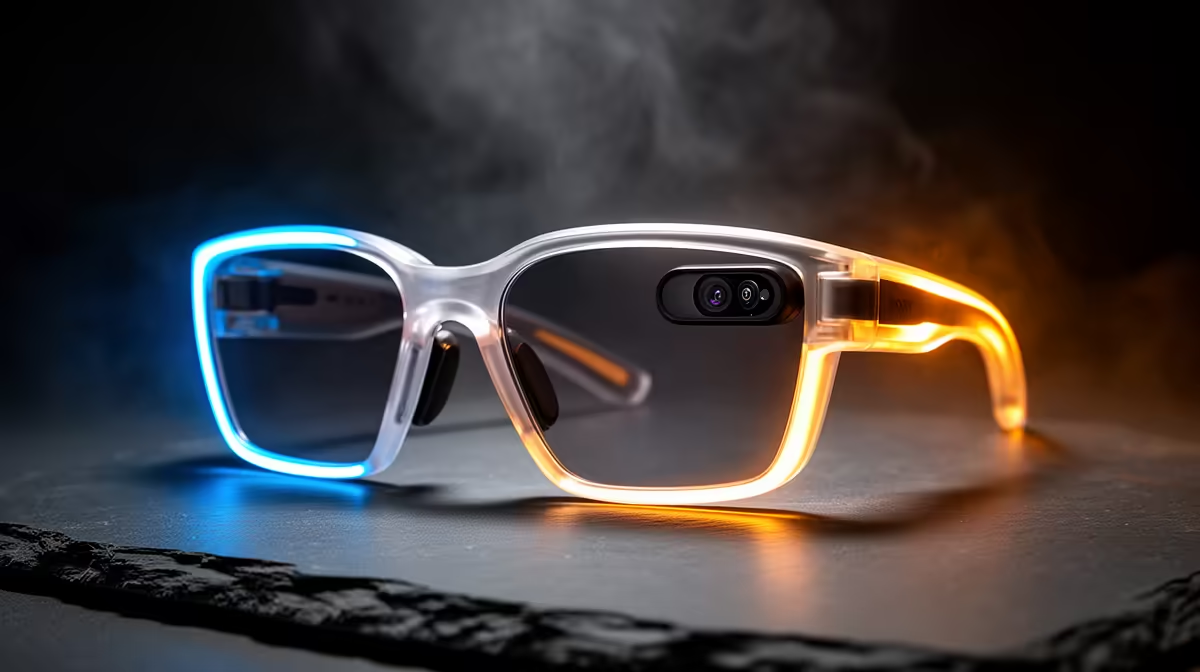
The standard Ray-Ban Meta is not a stripped-down toy. It packs an open-ear speaker system, a camera for photos and video, microphones for calls and voice commands, and the on-board assistant that answers questions and handles capture hands-free. The Gen 2 version released in late 2025 improved on the original with roughly double the battery life, better video, and louder, clearer speakers, so the entry model in 2026 is meaningfully more capable than the first wave.
What you do not get is an in-lens display. There is no floating screen in your field of view and no neural wristband to control it. For most buyers that is the right trade, because the display features are still early and the audio-plus-camera glasses already cover the things people use them for daily: quick photos, music, calls, and asking the assistant a question without reaching for a phone.
Why the audio model is the smart entry, not a compromise
The temptation is to assume the cheapest option leaves you wanting more. Here the gap is narrower than the price suggests. The Ray-Ban Display, the flagship tier, brings a monocular in-lens panel and a neural wristband for gesture control, landing at 799 dollars, roughly a 470-dollar premium over a standard pair for features that early reviews treat as impressive but still first-generation.
For a first pair of AI glasses, the audio model lets you learn how the form factor fits your life before committing to the top tier. If you find yourself reaching for the camera and the assistant constantly, you will know the display version is worth it. If they end up as nice sunglasses with good speakers, you will be glad you did not pay double. The wider AR and smart-eyewear category is browsable in the AR glasses range at Evetech, where current local stock and pricing are listed.
The South African price picture
Pricing for imported eyewear shifts with the exchange rate and import costs, so treat any rand figure as a band rather than a fixed number. Converting the entry dollar price gives a rough R8,500 to R10,800 range before any local markup, while the display model would sit considerably higher. The sensible move is to check the current listed price rather than budget off a converted figure, because the rand-dollar rate moves and that moves the shelf price with it.
What to check before you commit
Even at the entry tier, a few things decide whether you are happy with the glasses. Battery life is the first. The second-generation hardware roughly doubled the original's runtime, but smart glasses still measure their active use in hours rather than a full day, so they suit bursts of capture and assistant use rather than constant recording. Knowing that up front avoids the disappointment of expecting all-day video.
Fit and lens choice are the second consideration. Because these are real eyewear, prescription lens support matters if you wear glasses already, and the frame style affects how comfortable they are for long wear. The entry model comes in several styles, so it is worth picking a frame you would actually wear as ordinary sunglasses, since that is what they look like when the camera and assistant are idle.
The third factor is how you intend to use the assistant and camera. If your daily need is quick hands-free photos, music and the occasional question, the audio model covers it completely. If you imagined reading messages or navigation prompts in your field of view, that is a display feature the entry pair does not have, so be clear about which experience you are buying before you spend.
Living with audio-only in practice
Day to day, the audio model behaves like a good pair of open-ear headphones with a camera and an assistant bolted on. You hear music and calls without blocking traffic or conversation around you, which suits walking and commuting. You capture a moment by voice or a button without lifting a phone, and you ask the assistant a question and hear the answer privately. None of that needs a screen, which is the core reason the cheaper pair feels complete rather than compromised for most owners.
Who should buy the cheapest pair
The entry Ray-Ban Meta suits anyone curious about the category, content creators who want a discreet hands-free camera, commuters who like open-ear audio that does not block traffic noise, and people who want the assistant without holding up a phone. It is also the right pick for gift buyers, since it delivers the recognisable smart-glasses experience at the lowest credible price.
The buyers who should wait or spend more are those specifically chasing the in-lens display and gesture control, since only the flagship offers that. Everyone else gets the meaningful 90 percent of the experience for roughly half the outlay. Accessories such as cases and charging cradles tend to appear in the fast-moving add-ons list, worth a glance when you buy the glasses themselves.
Frequently Asked Questions
Do the cheapest Ray-Ban Meta glasses have a screen?
No. The standard model uses open-ear audio and a camera with no in-lens display. The screen and the neural wristband are exclusive to the higher-priced Ray-Ban Display model.
How much do entry AI smart glasses cost in South Africa?
The dollar starting price of around 299 to 379 converts to a rough R8,500 to R10,800 band before local import costs, so check the current listed price rather than relying on a converted figure.
Is the audio model good enough as a first pair?
For most people, yes. It covers photos, video, calls, music and the on-board assistant, which are the features people use most. The display adds capability but is still an early-generation extra.
What is the difference between the audio and display models?
The audio model gives camera, speakers and assistant. The Display steps up to a monocular in-lens panel and a neural wristband for gesture input, for roughly a 470-dollar premium.
Are smart glasses worth buying in 2026?
For the audio-and-camera use case, they have matured enough to be genuinely useful, especially the second-generation hardware. The display category is promising but newer, so the entry model carries less risk for a first purchase.
Curious about AI eyewear without overspending on the flagship? The audio-and-camera model gives you the core experience for roughly half the price. Browse the AR glasses range at Evetech to see what is in stock and compare the current pricing.