Foam density describes material mass within a volume, while firmness describes the resistance a user feels. A cold-foam gaming chair density comparison should keep those ideas separate and judge sustained support through direct fit and use.
Quick Answer
The HERO TX uses comfortable cold-foam. At R7,899, buyers can assess sustained seated support and compare real cushion feel across a normal session; the cold-foam label alone does not determine universal firmness.
🧪 Separate density from perceived firmness
Two cushions can feel different because of formulation, shape, thickness and construction even when people use the same broad foam term. A hand squeeze cannot reveal an exact density.
Sit through a representative task and record pressure distribution, edge contact and how easily the body changes position. Those are useful experience observations without pretending to be laboratory data.
Use Evetech's noblechairs gaming-chair page to compare the HERO TX within its product family.
Keep unknown numbers unknown
Compare the cushion through body fit, support across a normal session and repeat checks over time.
The confirmed fact is comfortable cold-foam. The user supplies the fit observation.
Replace the thumb press
Full seated load reaches the cushion differently from one finger or hand. Use normal clothing, foot position and desk height.
Remain seated long enough for the initial impression to settle before rating support.
Compare return contact
Stand for a short break, then sit back in the same position. Notice whether the user finds a balanced contact point easily.
Repeat across several days rather than converting one return into a durability claim.
🪑 Assess the cushion inside the chair
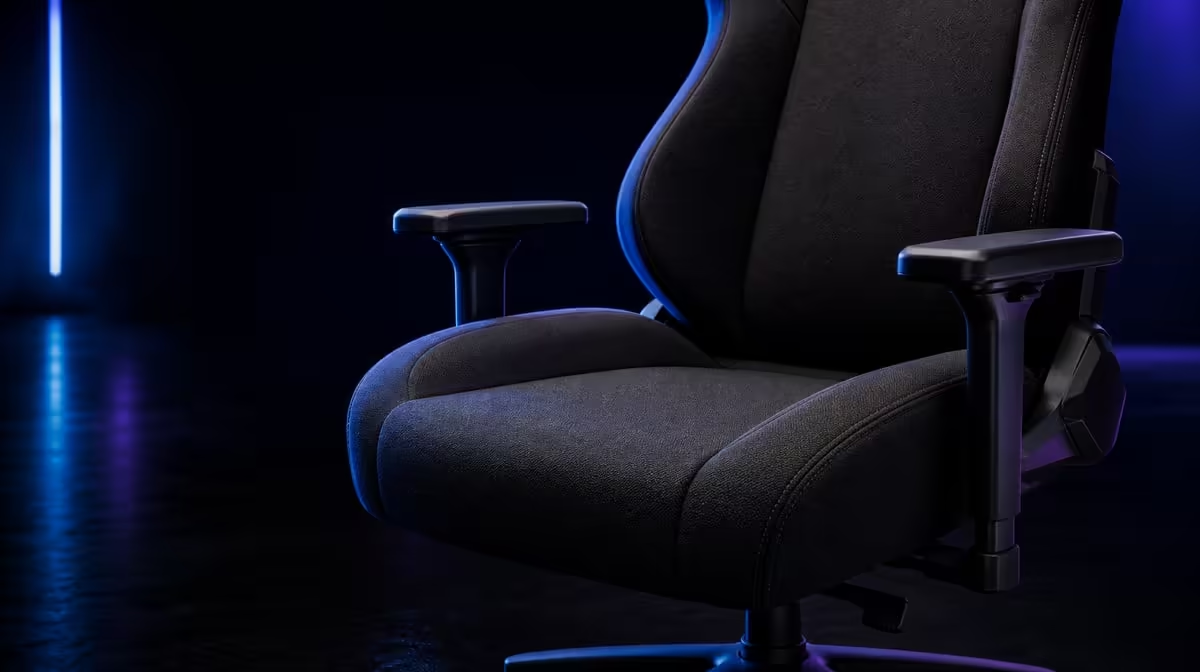
The TX fabric is the top contact layer, while the cold-foam sits beneath. Surface friction and room warmth can alter perception without changing foam density.
Set the enlarged 4D armrests and desk distance so the user does not perch or lean to one side. A poor workstation can create uneven pressure.
Check the seat edge
Sit back and observe thigh comfort near the front. The feet should remain stable without the user sliding forward.
Check the chair's current dimensions against the user, then confirm direct body fit.
Compare mixed tasks
Type, use a pointer and hold a controller. Each task can shift the pelvis and upper-body position.
The foam should be judged across the chair's real workload, not one carefully staged pose.
Add the armrests
Raise the 4D pads only until the shoulders relax. Recheck seat pressure after the arms have support.
Changing upper-body load can alter how the cushion feels. Keep the sequence visible.
📆 Avoid unsupported longevity promises
Foam type alone cannot establish an exact service life. User load, frequency, care, construction and habits all affect the way a chair ages.
The HERO TX states a 150kg maximum. That number should be respected, but it does not promise how the cold-foam will feel after a set number of years.
Compare current models through Evetech's South African gaming-chair selection using stated facts and real trial notes.
Inspect current support, not future certainty
Record whether the cushion supports the user now, whether pressure concentrates and whether the user can reposition comfortably.
These observations help a purchase without claiming future performance that has not occurred.
Follow suitable care
Keep the TX fabric clean through gentle, appropriate methods and avoid saturation. Surface care can protect the contact layer without proving anything about foam lifespan.
Separate upholstery condition from cushion support when reviewing wear.
Respect daily movement
Stand and change posture during long sessions. A supportive material is not a reason to remain still for hours.
Return after breaks and assess whether the chair helps the user recover a comfortable base.
💰 Decide what the R7,899 package delivers
At this price, the TX fabric covers comfortable cold-foam, while the memory headrest and enlarged arm supports manage upper-body contact. Steel adjustment levers and a 150kg maximum add two separate buying checks. Score each function through use.
Once the foam trial is complete, inspect Evetech's most-selected chair listings for another comparison point and verify the final option at checkout.
Compare a real alternative
Sit in another chair for the same task duration and keep desk, clothing and control positions similar. Record support without inventing its density either.
The better cushion is the one that fits the user and task more convincingly within known facts.
Keep firmness preference personal
Some users prefer firmer contact; others want more initial give. Neither preference establishes material quality or density.
Use clear language such as firmer to this user after thirty minutes instead of declaring a universal score.
Recheck the full fit
Set the armrests, align the screen and use the headrest during a reclined pause. A cushion trial is strongest when the whole chair is configured.
The cold-foam earns value when it supports that complete routine consistently.
Draw a simple pressure map
After thirty minutes, mark where the user feels broad support and where pressure concentrates. Repeat after moving the controls closer and settling the arms.
The map records fit without pretending to measure foam density. Differences between sessions can reveal a posture variable.
Avoid translating cold into temperature
The material name does not promise that the chair will cool the body. TX fabric, clothing, room conditions and movement influence warmth at the contact surface.
Keep thermal comfort in its own comparison column.
Revisit after several task types
Use the chair for typing, controller play and passive viewing. Each changes weight distribution and back contact.
A useful cushion should support the user's actual mix, while a preference formed in one task may not transfer to another.
Keep the buying language precise
Describe the HERO TX as using comfortable cold-foam. Describe the trial as the user's observed support over a stated duration.
That wording preserves both the product fact and the personal nature of comfort.
Compare users without comparing numbers
Let each person complete the same thirty-minute task and describe pressure in their own words. Do not turn those observations into a density ranking.
Different body proportions can produce different preferences on the same cushion, even when both users sit below the maximum load.
Inspect the whole seated return
After a break, sit back, settle the feet, lower the shoulders and reach for the controls. Notice whether the user can recover broad seat contact without sliding.
This repeatable sequence adds useful fit evidence while avoiding a future-wear prediction.
Frequently Asked Questions
What does foam density mean in chair cushioning?
It refers to material mass within a given volume, not simply how firm the seat feels.
Is a numeric density stated for the HERO TX?
No. The chair is identified with comfortable cold-foam without a numerical density.
Why is density different from firmness?
Firmness describes resistance felt by the user, while density is a material measurement.
Can cold-foam guarantee a longer cushion life?
No. The material label alone cannot establish service years.
How should cold-foam feel during a longer session?
It should be judged for sustained pressure support and ease of repositioning by the actual user.
What layer sits above the HERO TX cushioning?
Premium TX fabric upholstery covers the cold-foam.
Ready to compare cushion support without guessing a density number?
Explore Evetech's gaming-chair category with a sustained sitting test and clear fit notes.