Buy the wrong drone and you either fly something far heavier than your needs or hit regulations you did not see coming. The three main classes, camera drones, FPV drones and sub-250g models, look similar in a shop but serve genuinely different purposes and sit in different regulatory boxes under SACAA Part 101. Matching your intended use to the right class first saves both money and a brush with the rules.
Quick Answer
Camera drones such as the DJI Air and Mavic prioritise stable, high-quality aerial footage. FPV drones such as the DJI Avata are built for immersive, high-speed first-person flight. Sub-250g models such as the DJI Mini 4 Pro stay under the weight where the lightest rules apply, making them the easiest entry point. Decide by use first, then weight, then features.
The three drone classes explained
Each class is optimised around a different goal, and understanding that is what stops you overbuying.
Camera drones
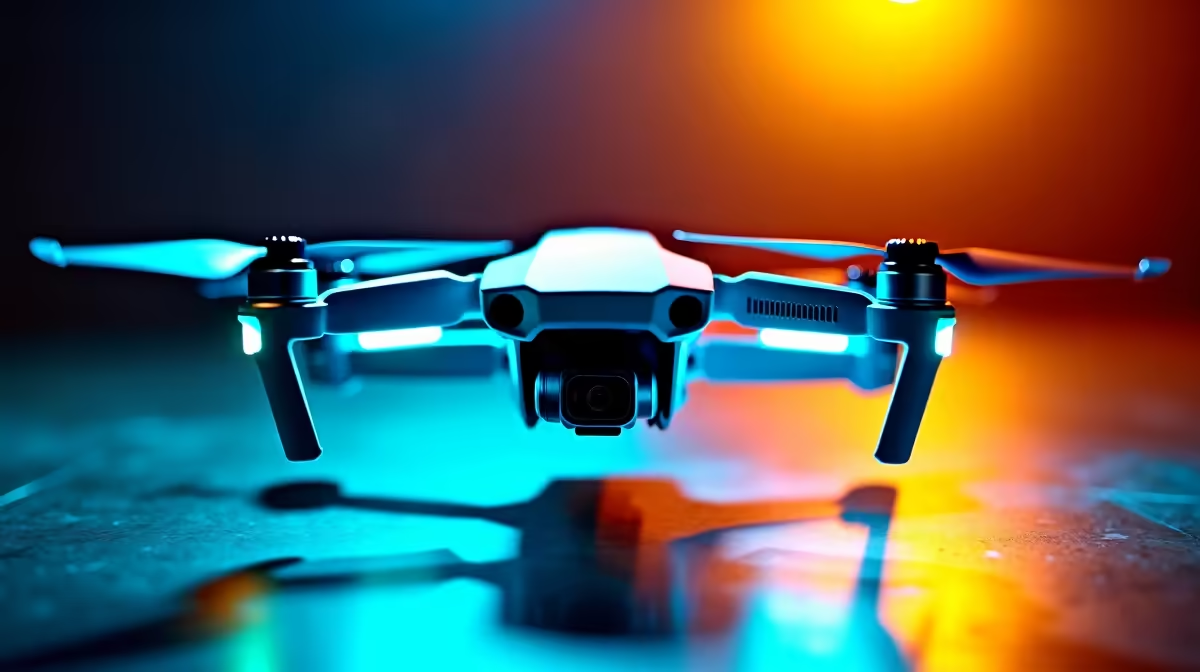
Camera drones are the all-rounders most buyers picture. They fly stably, hover precisely thanks to GPS and obstacle sensors, and carry a gimbal-stabilised camera for smooth photos and video. The DJI Air and Mavic lines are typical: capable cameras, long flight times and a forgiving flying experience. They suit landscape and travel footage, property and event work, and anyone who wants polished aerial shots without fast or aggressive flying.
FPV drones
FPV, or first-person view, drones put you in the cockpit through goggles that show a live feed from the drone's camera. They are built for speed, agility and immersive flight rather than steady cinematography, with the DJI Avata as a well-known accessible example. FPV rewards practice and is the choice for dynamic action footage, racing-style flying and dramatic chase shots. The trade-off is a steeper learning curve and, for many models, more setup than a point-and-shoot camera drone. You can see how these sit beside other connected gear in the smart home and devices range at Evetech.
Sub-250g drones
The sub-250g class is defined by weight, staying just under 250 grams, which places it in the lightest regulatory category in many regions. The DJI Mini 4 Pro is the standout: it packs a genuinely good camera and proper flight features into that weight class. For beginners and travellers, sub-250g is often the smartest starting point, since it is portable, capable and sits under the heaviest rules.
How weight ties into SACAA rules
In South Africa, recreational drone use falls under SACAA Part 101, and the obligations scale with how and where you fly and the weight class of the aircraft. Lighter sub-250g drones generally face the lightest requirements for casual private use, which is a large part of their appeal. Heavier camera and FPV drones, and any flying for commercial purposes, carry stricter obligations. Always confirm the current SACAA requirements for your specific drone, location and purpose before you fly, especially near airports, over people or for any paid work. Treating the rules as part of the buying decision, not an afterthought, is what separates a smooth first flight from a fine.
Matching a drone to you
A first-time buyer who wants good footage with minimal fuss is usually best served by a sub-250g camera drone like the Mini 4 Pro: light, portable and under the simplest rules. Someone chasing professional-grade stills and video, with the budget and the willingness to manage stricter requirements, steps up to a larger Air or Mavic-class camera drone. A pilot drawn to speed, immersion and action footage, who accepts the learning curve, looks at FPV. Decide which of those you are before comparing spec sheets, and the shortlist narrows itself.
Key specs to compare within a class
Once you know which class fits your intent, a few specs separate the models within it.
Flight time and battery
Consumer drones typically deliver 20 to 40 minutes per charge in calm conditions, and wind or aggressive flying cuts that meaningfully. Flight time is one of the most practical constraints on a flying session, so budget for at least one spare battery from the start. It is not an optional extra.
Camera and sensor
For camera drones, sensor size matters more than headline megapixel count. A 1/1.3-inch or larger sensor gathers more light, produces cleaner footage in mixed lighting, and gives you more to work with in editing. Three-axis mechanical gimbal stabilisation is the baseline for smooth video; anything less risks shaky results. For FPV, camera quality matters less than low-latency transmission for the goggle feed.
Obstacle sensing
Entry-level drones often have no obstacle sensing at all. Mid-range and premium models add forward, backward and downward sensors. For beginners, tri-directional sensing significantly reduces the chance of a costly crash, which pays for itself quickly. More experienced pilots may not need it, but it raises confidence when flying in unfamiliar spots.
Transmission reliability
A stable video and control link matters far more day to day than raw maximum range. Modern systems in mid-range and above use interference-resistant digital transmission that holds steady at typical recreational distances. Older or cheaper drones may use noisier analogue links that drop out more frequently.
SA buying context
Imported drone pricing means it pays to buy the right class once rather than upgrading twice. Factor in spare batteries, propellers and a carry case, since flight time per battery is short and spares matter more than they first appear. To gauge what local pilots are actually choosing across price points, the accessories best sellers are a useful reference alongside the drone listings.
Frequently Asked Questions
Which drone is best for a complete beginner?
A sub-250g model such as the DJI Mini 4 Pro is the most common recommendation. It is light, portable, easy to fly, has a capable camera, and sits in the lightest regulatory category for casual private use, which keeps the first experience simple.
What is the real difference between FPV and camera drones?
Camera drones fly stably and are built for smooth, controlled footage, while FPV drones are flown immersively through goggles and built for speed and agility. FPV has a steeper learning curve and suits action and racing-style flying rather than steady cinematic shots.
Why does the 250g weight matter so much?
Staying under 250 grams places a drone in the lightest regulatory class in many regions, which generally means fewer requirements for casual private flying. That is why sub-250g drones are popular with beginners and travellers.
Do I need to follow SACAA rules for a small drone?
Yes. SACAA Part 101 applies to recreational drone use in South Africa, and the obligations vary by weight, location and purpose. Even small drones have rules about where you can fly, so always check the current requirements for your specific situation before flying.
Can one drone do everything?
Not really. A camera drone covers most photo and video needs but is not built for FPV-style speed, and an FPV drone is not ideal for steady cinematic shots. Choosing the class that matches your main use gives the best result rather than compromising across all three.
Ready to pick your first or next drone? Compare camera, FPV and sub-250g models at Evetech, match the class to how you plan to fly, and check the SACAA rules for your setup before you take off.