


PCIe 5.0 vs PCIe 4.0 for Strategy and Sim Games in SA
PCIe 5.0 and PCIe 4.0 differ most in lane support, compatibility, and upgrade value for strategy and sim games. SA buyers should match the choice to their actual hardware and games.
Read moreMini PC checklist for clean cable-managed needs a workload-first comparison. For SA buyers, judge real performance, platform fit, warranty path, power needs, and upgrade timing before choosing either side.
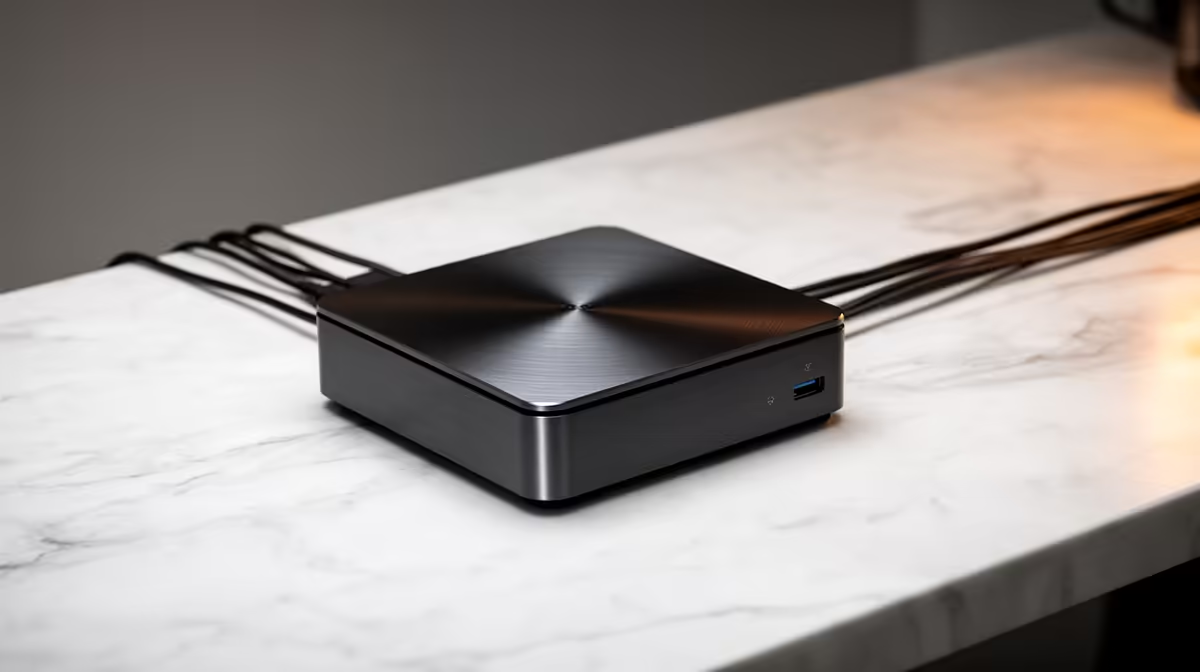
For a clean cable-managed setup, prioritise a mini PC with USB-C, a single-cable monitor option, and built-in Wi-Fi to cut clutter. A unit with a Ryzen or Intel chip, 16 GB RAM and a 512 GB SSD around R6,000-R12,000 hides behind a monitor and runs quiet. Front USB and a tidy port layout matter more than raw power here.
For a mini PC, judge it on the chip generation, RAM and storage you can actually use, plus the port mix. A recent Ryzen or Intel mobile chip with 16 GB RAM and a 512 GB NVMe SSD handles study, browsing and light creative work comfortably. Check for USB-C with video out, enough USB-A ports, and Wi-Fi 6, so you are not living off a hub. Cooling noise matters too; a good mini PC stays quiet under everyday load.
Mini PCs shine for cable management because most of the I/O sits on one box you can VESA-mount behind the monitor. Use a USB-C dock or a single USB-C-to-monitor cable to carry video, data and power where supported, and route the rest through one short hub. Built-in Wi-Fi 6 removes the Ethernet run if your signal is strong. The result is a desk with a monitor, a keyboard, a mouse and almost no visible tower.
Yes. A mini PC with a recent Ryzen or Intel chip, 16 GB RAM and a 512 GB SSD handles documents, research, browsing and light creative work easily. It only struggles with heavy gaming or large 3D workloads.
Around R6,000-R12,000 buys a capable unit with 16 GB RAM and a 512 GB SSD. Below that you often get 8 GB RAM and slower storage; above it you are paying for higher-end chips most study use does not need.
Many can, via HDMI plus USB-C DisplayPort. Confirm the exact video outputs before buying, since cheaper units sometimes cap at one external display or a lower refresh rate.
Compare mini PCs at Evetech by chip, RAM and port mix, and pick one sized for your bag or your desk.
PCIe 5.0 and PCIe 4.0 differ most in lane support, compatibility, and upgrade value for strategy and sim games. SA buyers should match the choice to their actual hardware and games.
Read more
AM5 vs AM4 for video editing in 4K Difference explained is mostly about compatibility, budget, upgrade path, and setup fit. SA buyers should check device support and real needs before expecting a clear win from either option.
Read more
OLED vs QD-OLED for strategy and sim games buyers - what changes is mostly about compatibility, budget, upgrade path, and setup fit. SA buyers should check device support and real needs before expecting a clear win from either option.
Read more
DisplayPort 2.1 and 1.4 differences matter when SA PC builders match GPUs, monitors, and refresh targets. Use this difference between displayport 2 1 and displayport 1 4 explained pc builders guide to avoid mismatched parts.
Read more
Ray tracing vs Path tracing depends on Strategy and sim games needs, platform limits, and budget fit. Compare compatibility, latency, upgrade path, and real setup constraints before choosing for an SA build.
Read more
wireless mouse guide for Gqeberha gamers should be shortlisted around the job it must do. South African buyers should compare sensor, shape, weight, and wireless latency, warranty path, and upgrade room before treating any pick as best.
Read more
From 1 October 2026, WhatsApp Business Platform service replies in South Africa are expected to cost about $0.0076, or 12 cents, per delivered message.
DDR5-8000 RAM Kits pros and cons depend on the build, budget, and workload. Weigh gaming needs, platform fit, power, cooling, warranty support, and South African pricing context before shortlisting it.
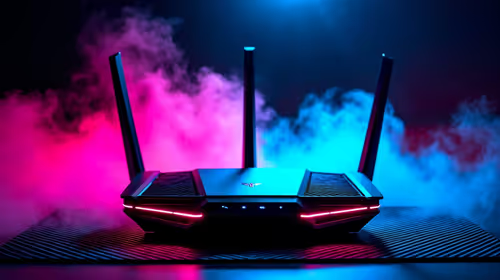
Wi-Fi 6E vs Wi-Fi 6 depends on AAA single-player gaming needs, platform limits, and budget fit. Compare compatibility, latency, upgrade path, and real setup constraints before choosing for an SA build.
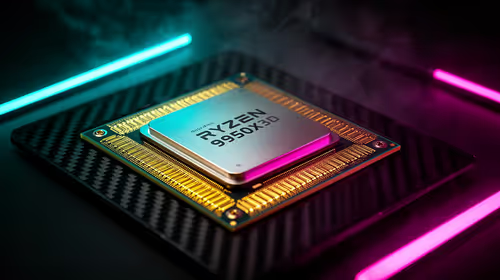
Ryzen 9 9950X3D dead pixel checks should isolate the panel first. Run colour fills, inspect the monitor menu, test another cable or input, and capture proof before linking it to the SA CPU upgrade.

YouTube will count public views from the first frame across video formats from 24 August, while earnings and eligibility remain tied to engaged viewing.
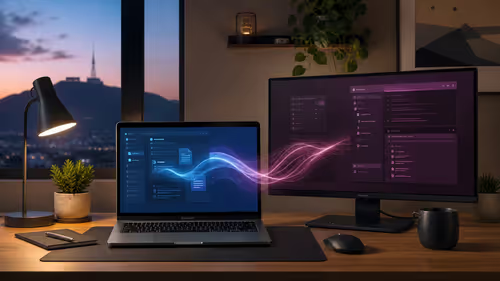
Canonical expects Ubuntu on WSL users to outnumber native Ubuntu desktop users before the end of 2026. The software is open source and runs inside supported Windows PCs.
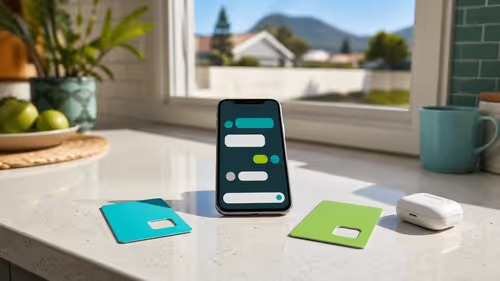
Telkom's daily bundles pair WhatsApp access with 10 all-network voice minutes. The R15 option includes 300MB, while the R17 option uses a fair-use threshold.
A 10,000-hour test found similar image retention across older and newer OLED TVs, while newer panels were brighter and more efficient. Local OLED monitors started at R9,999.
650W for RTX 5090 needs a full-build check, not a simple yes. Review GPU guidance, CPU draw, transient load, connectors, PSU quality, and upgrade plans before deciding.
PCIe 5.0 and PCIe 4.0 differ most in lane support, compatibility, and upgrade value for strategy and sim games. SA buyers should match the choice to their actual hardware and games.
How to fix FPS drops Windows 11 RX 9070 XT starts with GPU drivers, overlays, power plans, and frame pacing checks. For SA gaming PCs, verify chipset updates, HAGS, refresh rate, thermals, and per-game graphics settings.
AM5 vs AM4 for video editing in 4K Difference explained is mostly about compatibility, budget, upgrade path, and setup fit. SA buyers should check device support and real needs before expecting a clear win from either option.