A postgraduate researcher should choose an indoor pet camera by the animal’s room, safe mounting, privacy, storage and who can respond to an alert. It may support routine observation but cannot diagnose health issues or replace appropriate care.
Test the exact view and research boundary
Use a phone to preview the position during daylight and darkness. Check whether the pet can reach cables, whether housemates appear and which alerts are useful. If footage forms part of research, obtain institutional and participant approval before recording, retaining or analysing anything.
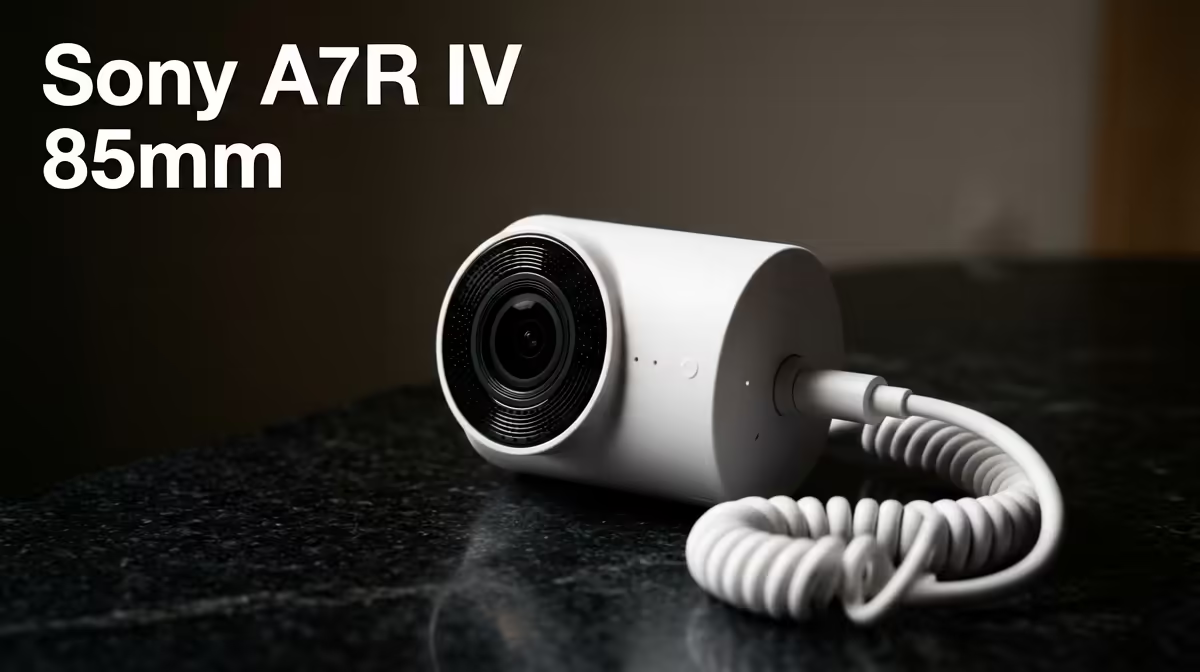
The TP-Link Tapo C212 indoor Wi-Fi camera is verified at R451. Confirm its field of view, night mode, motion alerts, audio, storage choices, app support, firmware updates and warranty. Its indoor design is not suitable for rain or wet areas.
Use a unique password, multi-factor authentication where available and restricted viewing roles. Protect clips, set a lawful retention period and obtain consent from anyone who may appear. Keep cables safe from chewing and never aim into private areas.
Buy only when the trial position provides a useful, permitted view and someone can act on important alerts. Contact a veterinarian for concerning behaviour.
For field research, privacy, consent and reliable storage deserve attention before remote viewing or motion alerts.
Select retention periods before deployment so research footage does not accumulate without a clear purpose.
Monitoring a pet indoors? > Compare Evetech cameras after reviewing placement and privacy.