How to Reduce Eye Strain on Large Monitors: Refresh Rate, Distance, and Settings
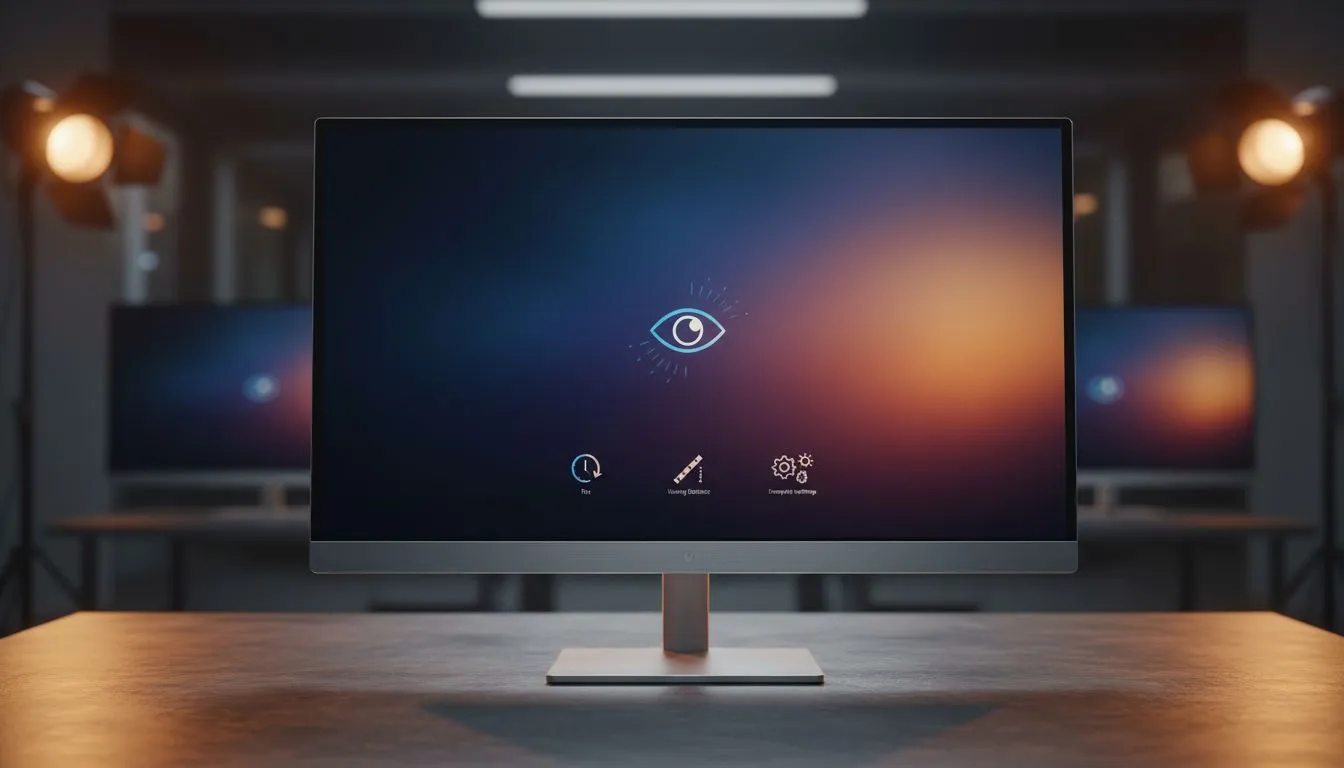
We all love a massive screen for those late-night sessions in Warzone or Cyberpunk 2077. But staring at a giant display for hours can leave your eyes feeling like they have been through a dust storm in the Karoo. If you want to reduce eye strain on large monitors, you need to look beyond just the size. It is about balancing refresh rate, distance, and specific settings. 🔧
Finding the Sweet Spot for Viewing Distance
The bigger the screen, the further back you should sit. If you are using a 32-inch or larger display, sitting too close forces your eyes to scan a massive surface area. This constant movement leads to muscle fatigue. For most South African setups, a distance of about 60cm to 90cm is ideal.
If your desk is shallow, choosing the right screen shape is vital. Many local professionals prefer high-quality flat monitors for colour-accurate work and design. However, if you find your eyes wandering too much, immersive curved displays can help maintain a consistent focal distance from your eyes to the edges of the screen.
Why Refresh Rate and Sync Tech Matter ⚡
A low refresh rate can cause subtle flickering that your brain notices even if your eyes do not. To reduce eye strain on large monitors, aim for at least 144Hz. This ensures motion is fluid and easy on the eyes.
Screen tearing is another culprit for headaches. AMD users should look for FreeSync compatible screens to eliminate stuttering. Similarly, NVIDIA enthusiasts will benefit from dedicated G-Sync monitors to keep motion perfectly fluid. If you often switch between different hardware brands, Adaptive Sync technology offers a versatile middle ground to keep your visuals stable.
Comfort Pro Tip ⚡
Use the 20-20-20 rule to give your eyes a break. Every 20 minutes, look at something 20 feet away (about 6 metres) for at least 20 seconds. It helps reset your eye muscles and prevents the dreaded 'monitor stare' fatigue during long South African winter gaming marathons.
Optimising Panel Tech and Internal Settings
The type of panel you choose significantly impacts your comfort. For the best viewing angles and consistent colour reproduction, IPS panel monitors are often the gold standard. They prevent the "shifting" look that cheaper panels suffer from when you move your head.
Don't forget to dive into your OSD (On-Screen Display) settings. Lowering the brightness to match your room's ambient light is essential. You can browse the full range of PC monitors at Evetech to find models with built-in low blue light modes and flicker-free technology. These features are designed specifically to reduce eye strain on large monitors during extended use. 🚀
Ready to Upgrade Your View?
Protecting your eyes doesn't mean sacrificing performance or size. For the best deals on eye-care displays and high-refresh screens in South Africa, we have you covered. Explore our massive range of monitor specials and find the perfect display to keep your vision sharp.