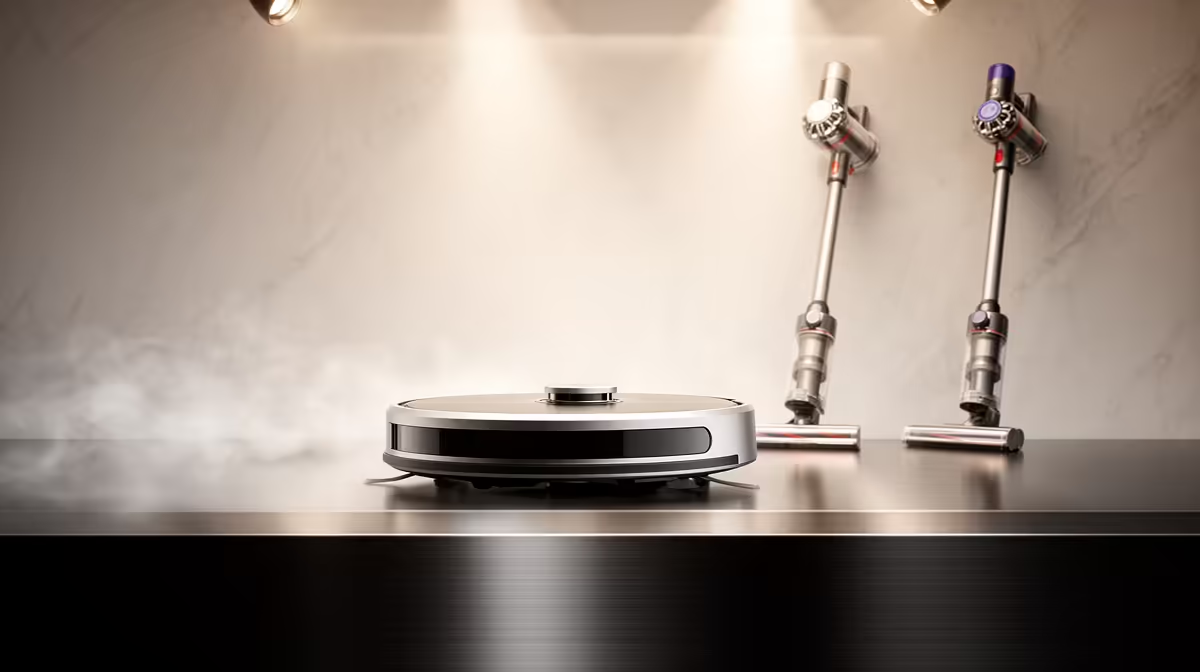
The cleaning aisle has split into two camps, and a first-time buyer often assumes they have to choose. A robot vacuum quietly works the floors while you are at work, but a cordless stick vacuum brings real suction to the spots a robot cannot reach. Knowing which job each one is built for is the difference between a smart first purchase and a tool that frustrates you within a week.
Quick Answer
Buy a robot vacuum if your priority is hands-off daily maintenance of open floors while you are out. Buy a cordless stick vacuum if you need stronger on-demand suction for stairs, deep-pile carpet and quick mess pick-ups. Most SA homes end up wanting both, but if you can only pick one, choose based on which problem you face daily.
What a robot vacuum is genuinely good at
A robot's strength is consistency without effort. Set a schedule and it keeps open floors free of the daily dust, hair and crumbs that otherwise build up between proper cleans. For a household with pets shedding onto tiles and laminate, that automated daily pass is the single most useful thing it does. Modern units map a home, avoid obstacles and return to a dock to recharge on their own. Many of these robots sit within the wider smart home appliance range at Evetech.
Where a robot struggles is the edge cases. It cannot climb stairs, it dodges around clutter rather than cleaning under it without help, and deep-pile carpet blunts its suction. It is a maintenance tool, not a deep-clean tool.
Scheduling and automation: the real advantage
The practical upside of a robot vacuum is not just that it cleans without you holding it -- it is that it cleans while you are elsewhere. Set a schedule at 9am Monday to Friday and your floors stay consistently tidy without a single deliberate act on your part. Most 2026 models support app control, room-specific schedules, and no-go zones, so you can send it to the kitchen every morning and keep it out of the toddler's room during nap time. That level of automation is something a stick vacuum, however powerful, simply cannot offer.
What a stick vacuum does better
A cordless stick vacuum is the on-demand power player. Premium models like the Dyson V15 generate around 230 air watts of suction, compared to most robot vacuums' far lower output. In practical terms that translates to far stronger pull on embedded grit in thicker carpet. When a glass shatters on the kitchen floor or sand tracks in from a beach day, you grab it and the mess is gone in minutes. Because you steer it, it goes exactly where the dirt is, including up the stairs.
Stairs and reach
Stairs are the clearest dividing line in many SA double-storey homes and townhouses. A robot simply cannot do them, while a handheld or detachable stick unit handles each step and the skirting above it. Reaching ceiling corners, car interiors and under low furniture also falls to the stick.
The trade-off is that a stick vacuum needs a person holding it. It does nothing while you are out, and battery runtime limits how much floor you cover in one go before recharging.
Battery runtime: the practical limit on stick vacuums
Most cordless stick vacuums deliver between 30 and 60 minutes on a single charge at moderate suction settings, dropping to 15 or 20 minutes at full power. For a small flat that is ample, but a large home may need a mid-job recharge or a second battery. Factor that into your decision if you plan to vacuum the whole house in one session.
Where stick vacuums still lead on carpet
On medium-pile and deep-pile carpet, a stick vacuum removes embedded debris far more effectively in a single pass. A robot typically needs multiple passes to reach comparable results, and on very thick pile it may still leave pet hair behind. If carpet covers most of your home, the immediate deep-clean power of a stick vacuum is the bigger practical benefit.
Which to buy first
Match the tool to your daily reality. If your main floors are open tile and laminate and you want them tidy without thinking about it, start with the robot. If you have stairs, lots of carpet, kids or pets making sudden messes, start with the stick. Many households eventually run both, letting the robot handle the daily upkeep and the stick handle the deep and awkward jobs. Pairing either with the right cleaning accessories and replacement parts keeps it performing past the first few months.
Cost: what to expect from each type
Robot vacuums with proper laser mapping, auto-empty docks and mopping start from around R9,000 in South Africa and run well past R25,000 for flagship models. A quality cordless stick vacuum sits in a similar range. Neither is a cheap impulse purchase, so buying the wrong one first is a real cost. That is why matching the tool to your home's actual layout before spending is worth a few minutes of honest assessment.
Frequently Asked Questions
Can a robot vacuum clean stairs?
No. Robot vacuums work on a single level and cannot climb stairs. If you have a multi-storey home, a stick or handheld vacuum is essential for the steps.
Is a stick vacuum strong enough to replace an upright?
For most homes, yes. Modern cordless stick vacuums deliver strong on-demand suction and the convenience of cordless reach, though very large homes may bump into battery runtime limits.
Do I really need both a robot and a stick vacuum?
Not necessarily, but they cover different jobs. The robot handles daily maintenance of open floors, while the stick handles stairs, carpets and sudden spills. Many households find they complement rather than replace each other.
Which is better for pet hair?
A robot keeps pet hair from accumulating with daily passes, while a stick vacuum pulls embedded hair out of carpet and upholstery. Heavy-shedding homes benefit most from having both.
Which should a first-time buyer get?
It depends on your floors. Choose a robot for mostly hard, open floors you want kept tidy automatically, and a stick for homes with stairs, carpet or frequent quick messes.
The right first vacuum is the one that solves your daily problem, not the one with the longest spec list. Compare robot and stick options across the smart home appliances at Evetech and match the tool to your home.