Quick Answer
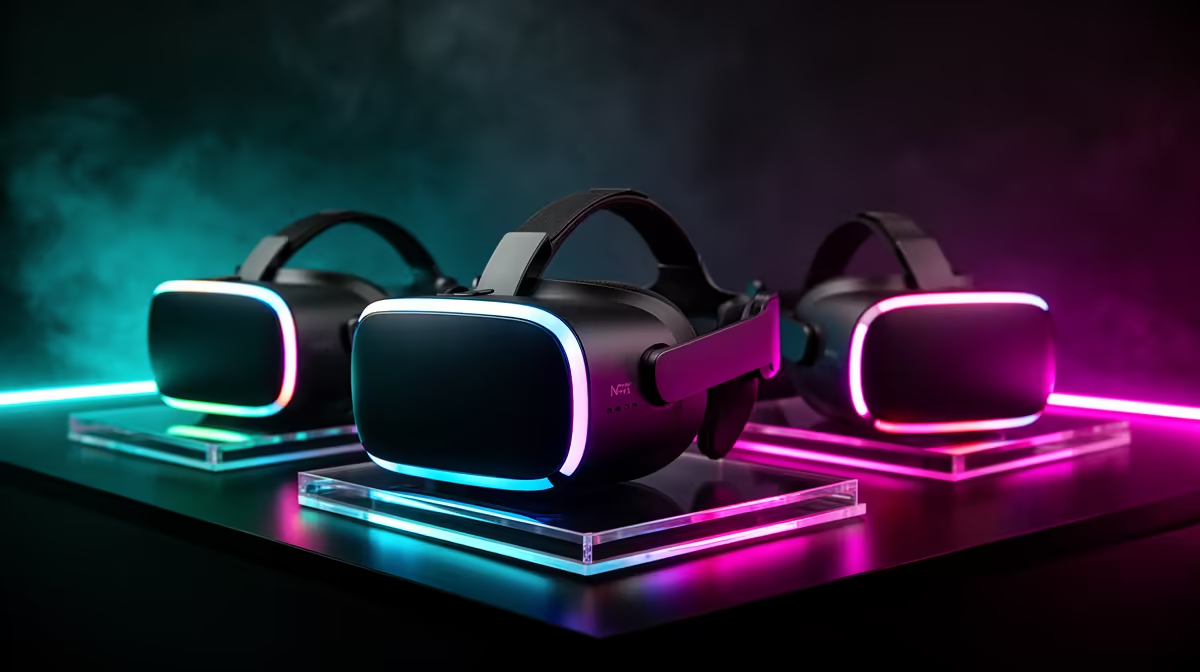
For VR gaming, a three-tier headset plan looks like this: budget around R600-R1,200 for a solid wired stereo headset, balanced at R1,500-R3,000 for one with better drivers and a clear boom mic, and premium above R3,500 for wireless with positional accuracy. VR rewards low latency and good imaging, so wired or low-latency wireless beats Bluetooth every time.
Why VR audio is different
In VR, audio is part of the tracking illusion; you locate enemies and cues by sound, so soundstage and imaging matter more than bass. Bluetooth adds latency that breaks immersion, so a wired headset or a dedicated low-latency wireless dongle is the right call. A clear mic also matters because social VR and co-op are voice-heavy.
The three tiers in detail
Budget (R600-R1,200): a wired closed-back headset with 40-50mm drivers and a detachable mic does the job for casual VR. Balanced (R1,500-R3,000): better imaging, more comfortable clamp for long sessions, and a cleaner mic. Premium (R3,500+): low-latency wireless so the cable does not tangle as you turn, plus refined positional audio.
Comfort is a spec too
VR sessions involve head movement and a headset strap, so clamp force and earcup depth matter. Look for plush earpads and a light frame; a heavy headset on top of a VR strap gets painful within 30-45 minutes.
FAQ
Is wireless or wired better for VR?
Wired or low-latency dedicated wireless. Avoid Bluetooth for VR; its latency desyncs audio from action and weakens immersion and positional accuracy.
How much should I spend on a VR headset's audio?
A capable wired headset starts around R600-R1,200. Step up to R1,500-R3,000 for noticeably better imaging and comfort, and above R3,500 for premium low-latency wireless.
Does soundstage matter more than bass for VR?
Yes. Accurate imaging and a wide soundstage help you locate in-game cues, which matters more in VR than heavy bass. Prioritise clarity and positioning.
pick a wired headset or one with a dedicated low-latency wireless dongle rather than Bluetooth. The lower latency keeps audio cues in sync with your head movement, which is what immersion depends on.