



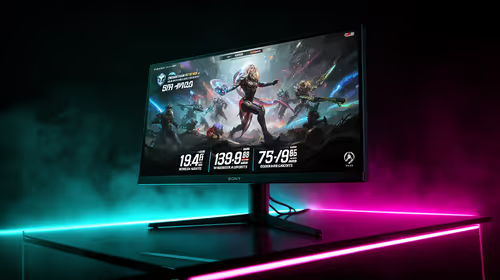
IPS vs OLED for Competitive esports in SA
IPS vs OLED depends on Competitive esports needs, platform limits, and budget fit. Compare compatibility, latency, upgrade path, and real setup constraints before choosing for an SA build.
Read moreWhere Springs gamers buy a OLED gaming monitor should be shortlisted around the job it must do. South African buyers should compare panel type, resolution, refresh rate, and ports, warranty path, and upgrade room before treating any pick as best.
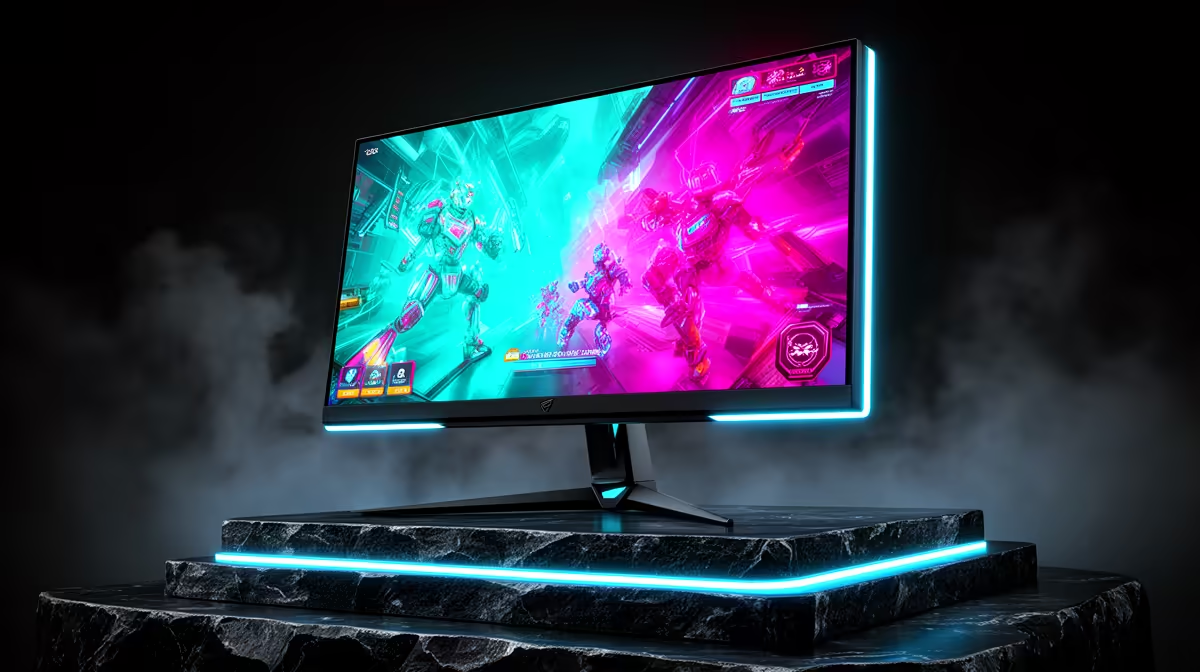
Springs gamers targeting OLED quality shop at Evetech, which ships to the East Rand in 1–2 business days. 27-inch QD-OLED gaming monitors like the Samsung Odyssey G8 OLED (R12,000) and LG 27GR95QE (R11,500) deliver true black levels, 0.03ms response time, and 240Hz refresh rates. OLED burn-in is less of a concern on modern QD-OLED panels used for gaming (static HUD elements burn at a slower rate than old WOLED TV panels).
QD-OLED (Samsung and Sony panels) offers superior peak brightness and wider colour gamut compared to WOLED (LG panels). The Samsung Odyssey G8 uses a QD-OLED panel with up to 1000 nits peak HDR brightness. WOLED panels like the LG 27GR95QE have slightly lower peak brightness but outstanding dark-scene rendering for single-player RPGs. Both types deliver the 240Hz refresh rate Springs esports players need.
IPS and VA monitors at 1440p/240Hz typically cost R7,000–R9,000. OLED gaming monitors start at R10,500 and go up to R20,000+ for 34-inch ultrawide OLED. The jump from IPS to OLED brings: true infinite contrast ratio (versus ~1000:1 on IPS), 0.03ms pixel response (versus 1ms on fast IPS), and near-perfect HDR rendering. For story-driven titles like Elden Ring or Cyberpunk 2077, the visual difference is immediately apparent.
For OLED longevity, enable pixel refresh cycles (a BIOS-level process that runs when the monitor is off) and keep static screen elements (Windows taskbar, HUD elements) at reduced opacity if your monitor software allows. Avoid leaving a static desktop wallpaper on for hours. Samsung's G8 includes pixel refresh, pixel cleaning, and automatic screen-saver timers built into the OSD.
Modern QD-OLED panels used in gaming monitors are far more burn-in resistant than first-generation OLED TV panels. Real-world gaming use rarely causes visible burn-in within a 3–4 year period. Enable pixel refresh cycles in the monitor's OSD settings and vary your wallpaper to minimise the risk over the long term.
An RTX 4070 (R16,000) comfortably maintains 165–240fps at 1440p in most current titles on medium-high settings. For the full 240Hz experience in demanding games at max settings, an RTX 4070 Ti Super (R24,000) or RX 7900 GRE is the target. Match your GPU budget to the monitor purchase.
Yes — Evetech ships nationally and Springs falls within the East Rand zone for 1–2 business day delivery. OLED monitors are fragile in transit; Evetech uses appropriate packaging. Check the live product page for current stock on specific models.
monitor's built-in pixel refresh cycle once a week — it takes about 7 minutes with the screen off and significantly extends OLED panel longevity for gaming use.
IPS vs OLED depends on Competitive esports needs, platform limits, and budget fit. Compare compatibility, latency, upgrade path, and real setup constraints before choosing for an SA build.
Read more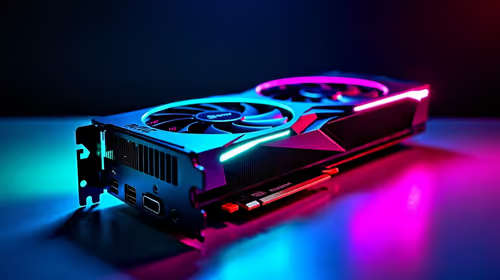
Skip the RTX 5060 for local AI workloads if memory headroom is the bigger need. SA buyers should compare VRAM capacity, CUDA support, PSU needs, case space, gaming overlap, software stack, and realistic model sizes before choosing a GPU for your PC.
Read more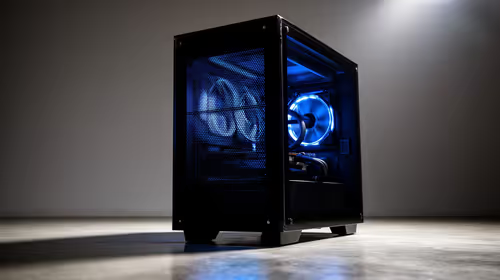
Front-mesh airflow cases has practical trade-offs for SA buyers, not one answer for every setup. Compare fit, compatibility, upgrade path, price tier, and daily gaming needs before deciding.
Read more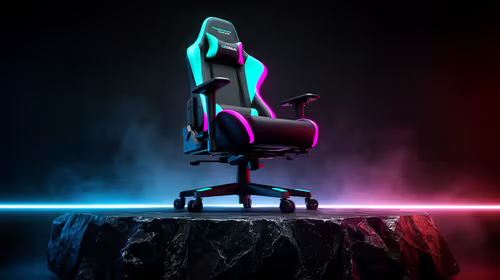
gaming chair guide for Pietermaritzburg gamers should be shortlisted around the job it must do. South African buyers should compare fit, performance, compatibility, and upgrade room, warranty path, and upgrade room before treating any pick as best.
Read more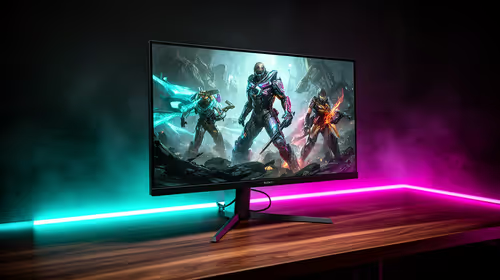
Where East London gamers buy a gaming monitor should be shortlisted around the job it must do. South African buyers should compare panel type, resolution, refresh rate, and ports, warranty path, and upgrade room before treating any pick as best.
Read more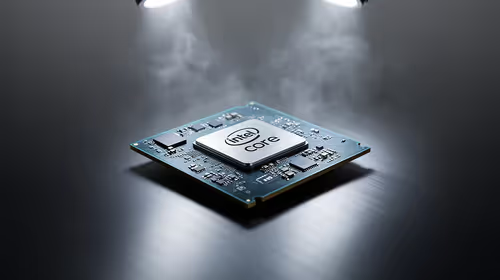
Intel Core Ultra CPU S-tier through F-tier should be shortlisted around the job it must do. South African buyers should compare fit, performance, compatibility, and upgrade room, warranty path, and upgrade room before treating any pick as best.
Read more
Steam game recording black screen needs a fresh capture and export test before a hardware upgrade. Check the recording mode, free space and whether another game records correctly. Community reports suggest testing broadcasting settings, but that is not a universal fix.
MSI Stealth 16 RTX 5070 specs need an exact SKU check because current listings disagree on GPU memory. One UK listing says 12GB while MSI's family table says 8GB. Confirm the supplied configuration rather than assuming either describes every machine.
SHIELD TV Pro price increase means a higher US price for the existing streaming box. NVIDIA confirmed the change starts on 2 October and cited component costs. Compare playback needs, regional service access and the full local quote before buying.

Is a transparent phone mount the key to clearer windshield views? 🚗 We analyze if these see-through accessories actually reduce obstruction while driving or if they’re just a clever marketing gimmick. Find out which mount keeps your dash clean. 📱
Steam game missing from library usually needs an account and filter check before a reinstall. Match your receipt to the signed-in account, clear library filters and inspect hidden games. Installed files do not establish ownership on the account you are using.
Steam game recording black screen needs a fresh capture and export test before a hardware upgrade. Check the recording mode, free space and whether another game records correctly. Community reports suggest testing broadcasting settings, but that is not a universal fix.

Windows 11 two finger scroll not working needs a gesture and driver check first. Test pointer movement and scrolling in more than one app, inspect Touchpad settings and use Windows Update or the laptop maker's driver. A new mouse is only a workaround.
Windows 11 Insider 26220.9587 is a Beta preview released on 2 October. Microsoft lists Unicode text support, Settings performance work and a Cloud Rebuild entry point. These are preview changes, not a reason to move your only working PC onto a test build.
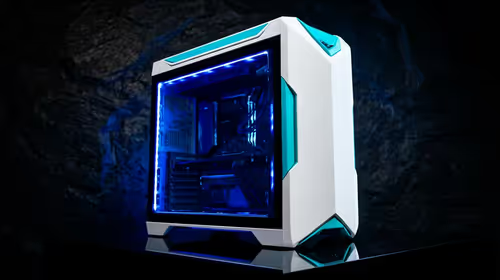
white PC builds in SA is worth checking through fit, cost, availability, and upgrade impact instead of a blanket trend claim. SA builders should compare setup details before changing parts or priorities.
IPS vs OLED depends on Competitive esports needs, platform limits, and budget fit. Compare compatibility, latency, upgrade path, and real setup constraints before choosing for an SA build.

Should I use thermal paste or thermal pads should be shortlisted around the job it must do. South African buyers should compare GPU tier, VRAM, cooling, and PSU headroom, warranty path, and upgrade room before treating any pick as best.
Skip the RTX 5060 for local AI workloads if memory headroom is the bigger need. SA buyers should compare VRAM capacity, CUDA support, PSU needs, case space, gaming overlap, software stack, and realistic model sizes before choosing a GPU for your PC.