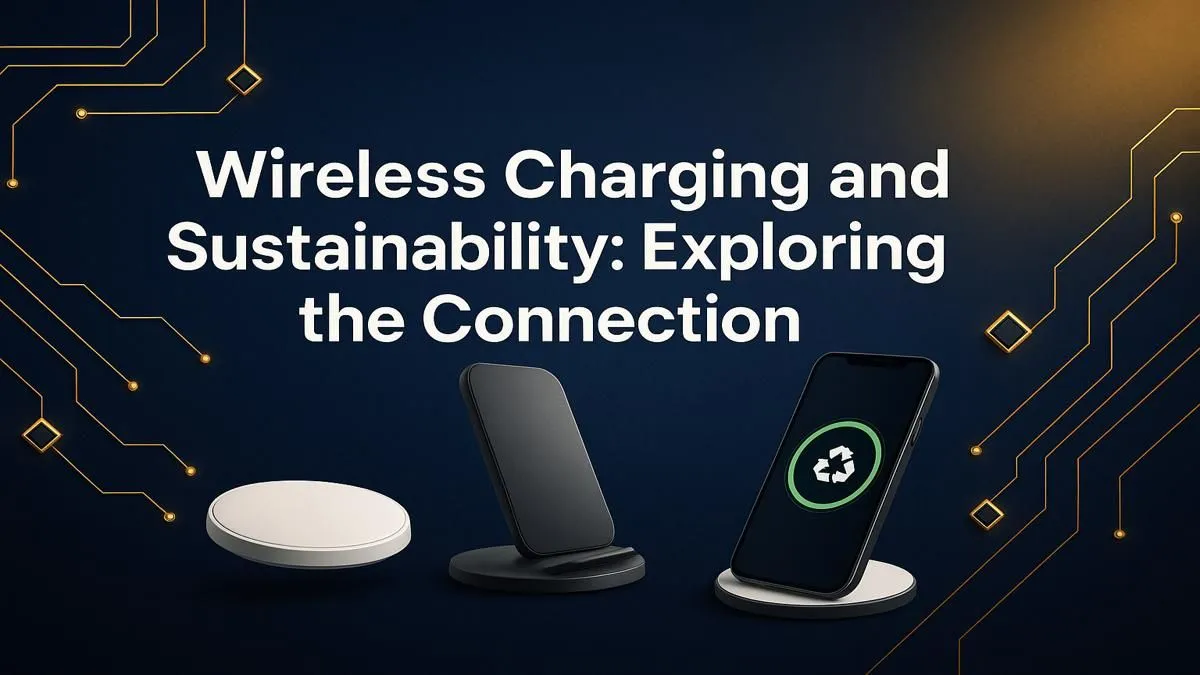
That satisfying snap as your phone magnetically aligns with a wireless charger feels like the future. But with electricity prices in South Africa on everyone's mind, a bigger question looms: is this convenience truly sustainable? We’re diving deep into the debate on wireless charging sustainability to see if dropping the pad is actually a greener choice than plugging in a traditional cable. 🌍
The Efficiency Question: Is Energy Being Wasted?
At its core, the debate around wireless charging sustainability starts with energy efficiency. When you plug in a cable, the electrical transfer is direct and highly efficient, with very little power lost along the way. Wireless charging, which uses inductive coils to transfer energy through the air, is inherently less efficient.
Think of it like this: a cable is a sealed pipe, while a wireless charger is more like a sprinkler. Some energy inevitably gets lost as heat during the transfer. While modern Qi-certified chargers have improved massively, they still use more electricity to deliver the same amount of charge to your battery compared to a high-quality cable. For anyone looking to optimise their power usage, exploring the full range of modern chargers is a great first step. This small energy difference might seem minor, but compounded over millions of devices, it adds up.
The Durability Debate: A Tale of Two Lifespans
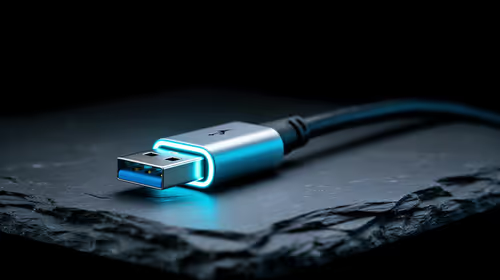
Here’s where the argument for greener wireless charging gets interesting. How many frayed, broken, or lost charging cables have you been through in the last few years? For most of us, it's a frustratingly high number. These cables, made of plastic and copper, often end up in landfills, contributing to a massive e-waste problem.
A wireless charging pad, on the other hand, has no moving parts and experiences far less physical stress. It sits on your desk or nightstand, and you simply place your device on it. This drastically reduces wear and tear on both the charger and your phone's charging port—one of the most common points of failure on a smartphone. A single, durable wireless charger from a trusted brand like Promate could outlast a dozen cheap cables, potentially making it the more sustainable option over its entire lifecycle.
Maximise Your Charge ⚡
To get the most efficient charge and boost your wireless charging sustainability, always use a charger certified for your device (like Qi2 for newer iPhones). Proper alignment is key—make sure the device's coil is directly over the pad's coil. A poorly aligned phone can waste up to 50% more energy trying to charge!
Manufacturing Footprint: What Are They Made Of?
The sustainability conversation isn't just about energy use and e-waste; it's also about the resources required for manufacturing. A USB-C cable is relatively simple: copper wiring, shielding, and a plastic or nylon exterior.
A wireless charger is a more complex piece of electronics. It contains circuit boards, magnets, and intricate copper coils, all housed in a plastic or metal shell. This means its initial manufacturing footprint is larger than a simple cable's. The long-term environmental benefit, therefore, hinges entirely on its durability and lifespan offsetting this initial cost. When you search for chargers from quality brands, you're often investing in better components that are built to last longer.
The Verdict: Is Wireless Charging Greener in SA? 🤔
So, what's the final call on wireless charging sustainability? It’s not a simple yes or no... it depends on you.
- For the Energy-Conscious: If your top priority is minimising electricity consumption, a high-quality, durable cable is still the most efficient champion.
- For the E-Waste Warrior: If you’re tired of throwing away frayed cables every year, investing in a robust wireless charger is likely the more sustainable long-term choice, reducing clutter and waste.
Ultimately, the greenest choice is the one you buy once and use for years. Whether it’s for your phone or for keeping your headset powered during a marathon gaming session, choosing the right tool matters. Many modern chargers for gaming accessories now include both wired and wireless options, giving you the best of both worlds.
Ready to Power Up Smarter?
Whether you're team cable or team wireless, choosing a high-quality, durable charger is the most sustainable decision. Explore our massive range of chargers and find the perfect power solution to conquer your day.