The 2026 memory squeeze and the 2021 graphics-card shortage both hurt PC upgrades, but they are poor copies of each other. The GPU crisis mixed pandemic disruption, foundry constraints, logistics, broad electronics demand, scalping and cryptocurrency-mining demand. Today's DRAM pressure is tied more closely to AI infrastructure, HBM, server memory and constrained supplier output.
Quick Answer
Calling one shortage worse needs a metric: price rise, duration, number of affected products or the performance you lose by waiting. The GPU crisis made a complete gaming card scarce. The memory cycle reaches PCs, servers, graphics products and many devices through DRAM and HBM. Its recovery depends on demand, inventory and new capacity that cannot arrive at once.
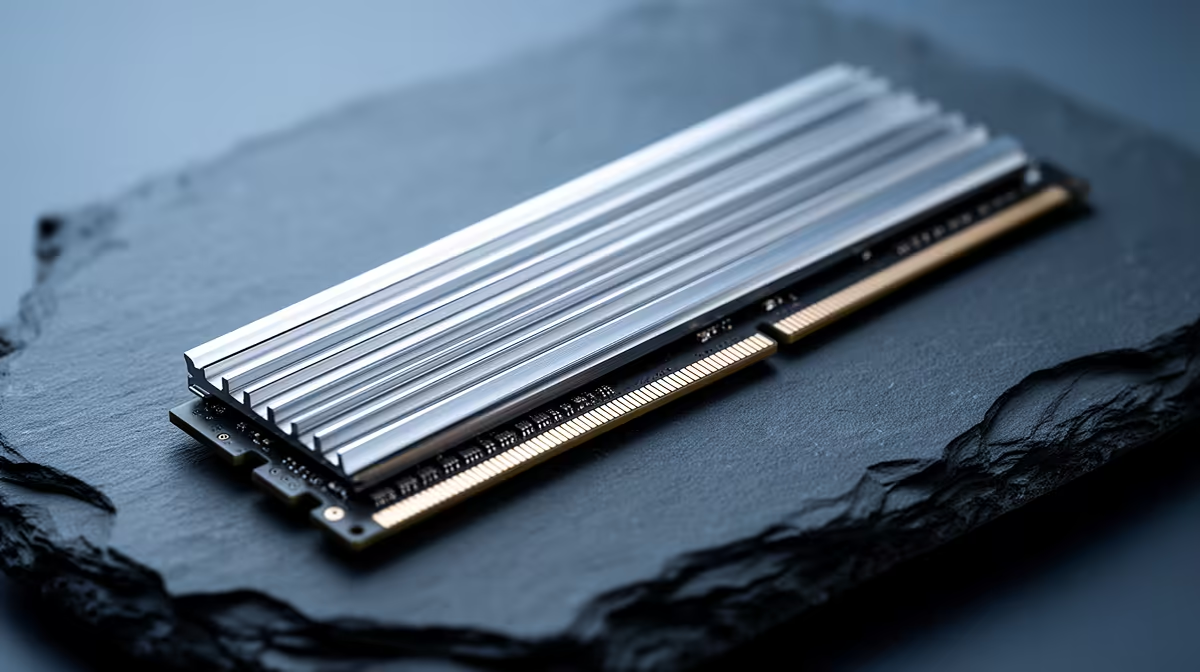
Evetech's DDR5 memory selection shows the upgrade category at the centre of the current discussion. The memory best sellers help compare practical capacities while the wider cycle remains uncertain.
The 2021 GPU Crisis Had Several Causes
Crypto mining raised demand for suitable graphics cards, but it was not the only force. Pandemic-era buying, component and substrate constraints, logistics disruption and scalping all affected availability.
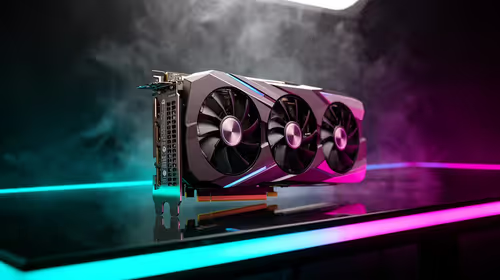
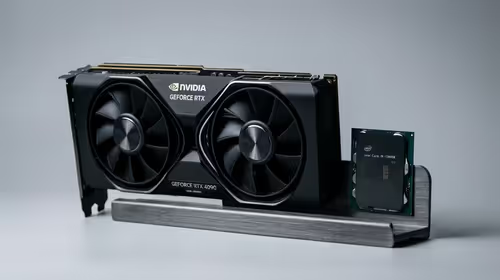
A GPU is a finished board with a processor, memory, power delivery and cooler. A missing card could block an entire gaming build or force a large performance compromise.
Supply improved as production, logistics, demand and the crypto market changed. That history does not give a timetable for DRAM.
The 2026 Memory Pressure Starts Upstream
HBM and high-capacity server DRAM are central to AI systems. Samsung, SK hynix and Micron have all described strong AI-memory demand in current company material.
Conventional DDR5 is a different product, though the same suppliers allocate investment and advanced manufacturing across the portfolio. Tight upstream supply reaches DIMMs, laptops and graphics products through different schedules.
Memory demand is also cyclical. Orders, inventories and capacity plans can change the direction before a new fab opens.
Why Recovery Timelines Differ
Graphics-card supply can respond through board production, chip allocation and a change in one end market. DRAM expansion needs wafer capacity, process ramps, yields and, for HBM, specialised packaging.
Demand destruction can also lower price faster than new factories arrive. A weak PC market or slower AI ordering would change the balance, which makes confident multi-year retail forecasts risky.
Use supplier earnings and shipment data as signals, not guarantees for the rand price next month.
What a Gamer Should Do
Buy the capacity the workload needs. For many current gaming builds, a matched 32GB DDR5 kit is a practical target; creation, simulation and heavy multitasking can justify more.
Check motherboard support, memory topology and stable speeds before chasing a rare bin. A cheaper compatible kit now can be better than waiting for a forecast that moves.
Do not compare the percentage price of RAM with a graphics card without considering total build cost. A doubled memory kit and an unavailable GPU affect the system differently.
FAQ
Was crypto mining the only cause of the 2021 GPU shortage?
No. It combined with supply constraints, logistics, broad demand and resale pressure.
Will the 2026 memory squeeze last longer?
No one can promise that. AI demand, inventories, supplier allocation, yields and new capacity all influence the duration.
Can graphics cards be affected by memory pressure too?
Yes. Graphics cards need their own memory supply, though contracts, product cycles and memory types create a different timeline from desktop DDR5.
Define the capacity your build needs, compare the total system cost and treat shortage comparisons as context rather than a buying clock.