Finding a CapCut alternative is easier when the decision starts with the work that feels constrained. Some editors want a longer timeline, others want offline control, a different export path or a clearer approach to client privacy. There is no useful universal replacement without that reason.
Quick Answer
Choose an alternative according to the editing problem: mobile speed, desktop control, multi-track organisation, privacy, offline work or export requirements. Desktop software can keep source media local while revisions are underway, which is meaningful for South African creators facing congested upstream fibre or finite LTE data. Preserve original clips and completed exports before moving an active project between tools.
🧩 Identify the work, not the brand
Short vertical clips made quickly on a phone ask for a different workflow from an interview, a client edit or a multi-camera project. Desktop applications generally offer more room for media organisation, audio adjustment, colour work and layered timelines. That extra control can be valuable, but it also brings file management and hardware requirements that are unnecessary for every ten-second social post.
Write down what the present editor cannot do comfortably. A need for keyboard-driven trimming, multiple audio tracks or predictable local project files points in a different direction from a need to add captions rapidly while travelling. A clear list prevents a switch that simply replaces one set of annoyances with another.
✅ Protect an existing project first
Project files and timelines rarely transfer perfectly between editing ecosystems. Before changing software, export a master of the completed cut and retain the original media, captions, audio and any graphics used in it. Those items make it possible to rebuild a section if the new editor cannot interpret the old project structure.
Do a small migration test rather than moving a deadline-driven project wholesale. Import a few clips, make a simple edit, add the intended audio and export a short file. Watch for changed frame rates, colour, text treatment or sound sync. The test tells you what must be planned before the larger library arrives.
📶 Offline work can protect the schedule
Local editing keeps footage available without repeatedly uploading it during each revision. That has practical value when a long source clip would consume LTE data or when upstream fibre is busy with a household's other work. It also lets a creator continue trimming and reviewing while a connection is unavailable.
Offline does not mean backups are optional. Keep at least one separate copy of valuable footage and confirm where the chosen application stores caches, proxies and project files. When a final upload is needed, choose a connection and time that fit the file size instead of discovering the constraint after a deadline has arrived.
🔌 Give the timeline suitable hardware
Simple cuts and modest exports can work on ordinary hardware. Higher-resolution footage, demanding codecs, effects and long timelines often benefit from a processor, storage and graphics configuration that the software supports properly. Check the editor's current documentation before treating a graphics card as an automatic cure for every slow project.
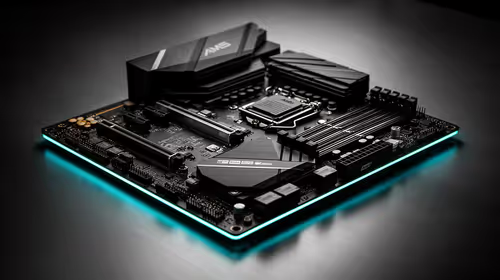
If a workstation is due for replacement, explore workstation PC configurations in terms of the software and media workload, rather than buying around a single impressive component. Creators building a system around GPU acceleration can also compare graphics card options after confirming the editor can use that acceleration path.
🛡 Treat privacy as an editing requirement
Client footage can include faces, locations, screens and documents that should not be casually synchronised to a third party. Review account access, cloud syncing, retention terms and any data-use settings before uploading. POPIA obligations can apply to the person or business handling identifiable material, even where the video is only a draft.
A local workflow may be the better fit for sensitive footage, but it still requires sensible access control and backups. Lock the working device, avoid putting source clips into shared folders by accident and confirm the exported file does not contain a different version from the one approved.
Frequently Asked Questions
Why choose a CapCut alternative?
Common reasons include stronger timeline control, offline access, privacy needs, specific export formats or a workflow that handles a larger project more comfortably.
Is a mobile or desktop editor better?
Mobile editing is convenient for quick short clips. Desktop tools usually provide more detailed organisation, audio, colour and multi-track controls.
Can another editor open my current project exactly?
Usually not without compromises. Keep the source media and export a master before changing applications so important work can be rebuilt if necessary.
Why is offline editing useful in South Africa?
It avoids repeated uploads while editing and keeps a project moving during unreliable upstream connectivity. LTE data can then be reserved for deliberate final transfers.
Does video editing require an expensive GPU?
Not always. Simple edits may run acceptably without one, while demanding formats, effects and high-resolution timelines can benefit from supported acceleration.
What privacy checks should I make?
Review syncing, account access, retention and data-use settings before client media leaves the device. Keep identifiable footage under appropriate control.
Ready to give larger edits a steadier home?
See Evetech workstation PCs and graphics options when your video workload calls for more local control.