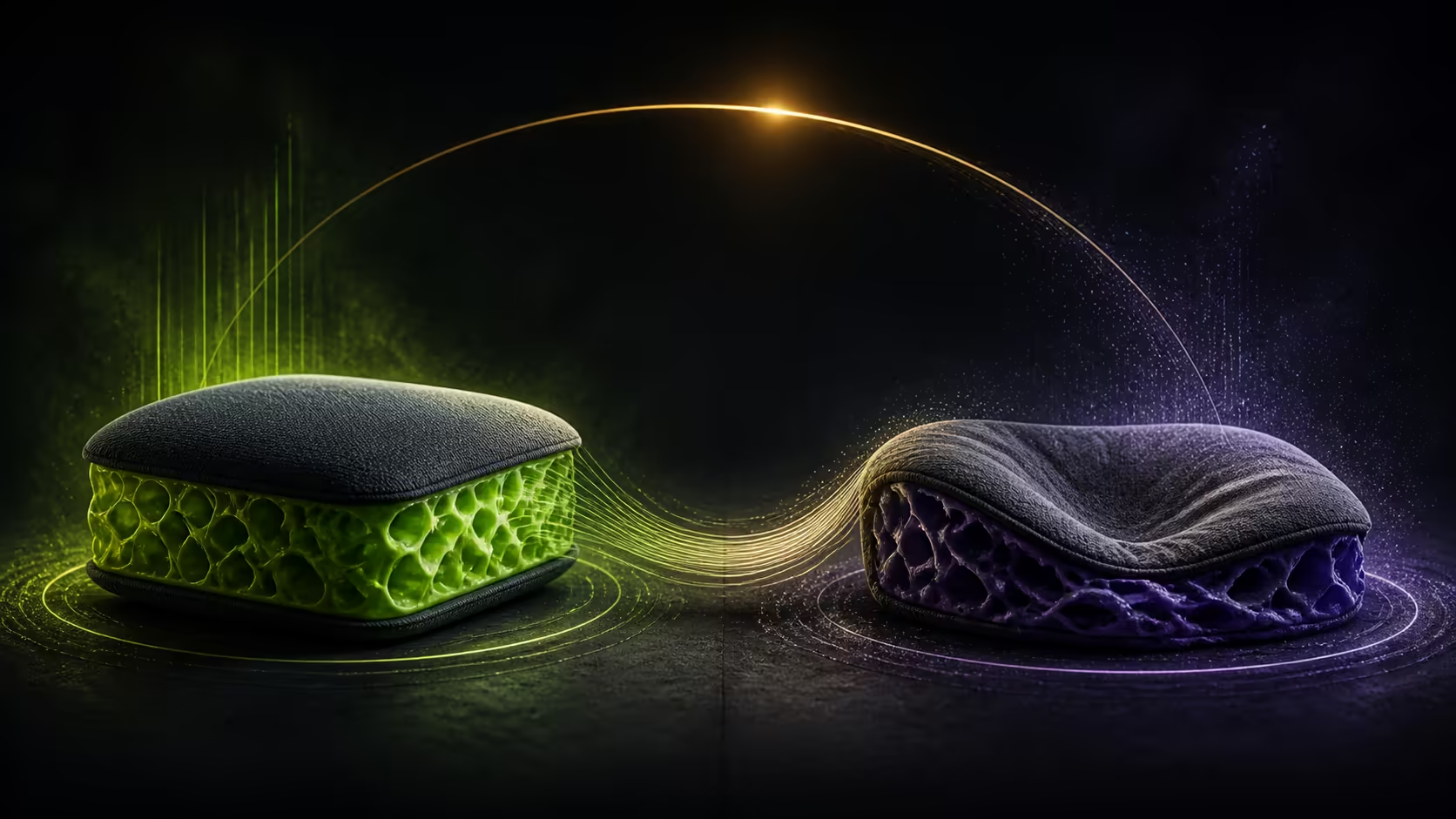
Foam decides how pressure spreads after the first softness impression has faded. Cold-cured foam vs standard chair foam is mainly a comparison of moulded shape, density behaviour and how well a cushion supports repeated sitting, not a guarantee that one seat fits every body. The R3,599 Arozzi Avanti uses cold-cured moulded foam beneath its soft moss green upholstery.
Quick Answer
Cold-cured moulded foam is formed as a shaped cushion, which can provide consistent contours and support across the seat. Standard foam covers a broad range of cut or layered materials, so quality varies too much for the label alone to settle comfort. At R3,599, the Avanti combines its moulded foam with a steel frame and reclining/tilting mechanism, giving buyers a complete chair to assess over long sessions.
🧩 Compare shape before softness
A moulded cushion begins with a defined three-dimensional form. The contour can spread contact across the seated area when the user sits fully back and centred. Perching on the front edge or leaning to one side prevents that shape from doing its intended work.
Standard foam may be cut from sheets, layered or shaped by other methods. Some examples are supportive, while others compress quickly. The broad term does not reveal density, firmness or construction, so press tests and photographs are poor substitutes for a proper seated trial.
Review gaming chairs at Evetech with seat shape, upholstery and movement considered together.
⏱️ Judge comfort after time
Initial plushness can feel appealing but say little about pressure after an hour. Sit with empty back pockets, stable feet and the pelvis at the rear of the seat. Note whether weight feels spread or concentrated under the tailbone and thighs.
Stand for several minutes, then sit again. A durable cushion should continue supporting a repeatable posture rather than leaving the body to search for an uncompressed patch. Temperature and clothing affect perception, so compare similar sessions.
Check the seat edge separately from the centre. A cushion can feel supportive beneath the pelvis yet press too firmly behind the knees if depth and posture do not fit. Keep a small clearance there and avoid solving pressure by sliding the whole body forward.
Foam recovery is not a performance contest measured seconds after standing. Give the chair a normal rest without boxes or bags on the seat. Look for consistent support over repeated days rather than expecting one visible rebound to predict years of use.
The under-R4,000 gaming chair page places the R3,599 Avanti in a useful budget group without pretending every foam construction behaves identically.
🔄 Include posture and structure
Foam cannot compensate for a desk that pulls the torso forward. Keep controls close, feet supported and the screen aligned. Use the Avanti's recline and tilt to change load, then stand before discomfort becomes the reminder.
The steel frame supports the chair beneath the cushion, while soft fabric determines the contact surface. The included headrest pillow affects the upper body during recline. These components change the experience independently of foam chemistry.
Compare office chair choices with the same timed test. Office and gaming labels do not alter the need for stable posture, pressure distribution and movement.
Care matters too. Vacuum fabric gently, blot spills and avoid soaking the foam. Keep knees, boxes and sharp objects off the seat because concentrated loads differ from normal sitting. Long-term comfort depends on use as well as construction.
Room temperature changes the first contact. A warm cushion after hours of use may feel different from the same chair at the start of a cool morning. Compare posture and pressure at similar times before declaring that the material has changed.
Clothing seams and belt hardware can create local pressure or snag fabric. Use ordinary work and gaming clothes in a trial, not only a quick sit in light clothing. The everyday layer between body and upholstery is part of the perceived foam behaviour.
Frequently Asked Questions
Is cold-cured foam always softer than standard foam?
No. The process does not define one universal firmness. Shape, density and the chair's design determine the seated feel.
How long should a chair be tested for comfort?
Long enough for the first softness impression to pass. An hour of normal work reveals pressure and posture patterns better than a quick sit.
Can good foam fix poor desk ergonomics?
No. Keyboard reach, foot support, screen position and posture changes still determine how the body uses the cushion.
Does upholstery change the foam underneath?
It changes contact feel, grip, heat and cleaning needs. The foam's shape remains a separate part of the support system.
Ready to compare cushions after the showroom softness has stopped talking?
Explore Evetech's gaming and office chairs, then judge foam by timed pressure, posture stability and the way the full chair moves with you.