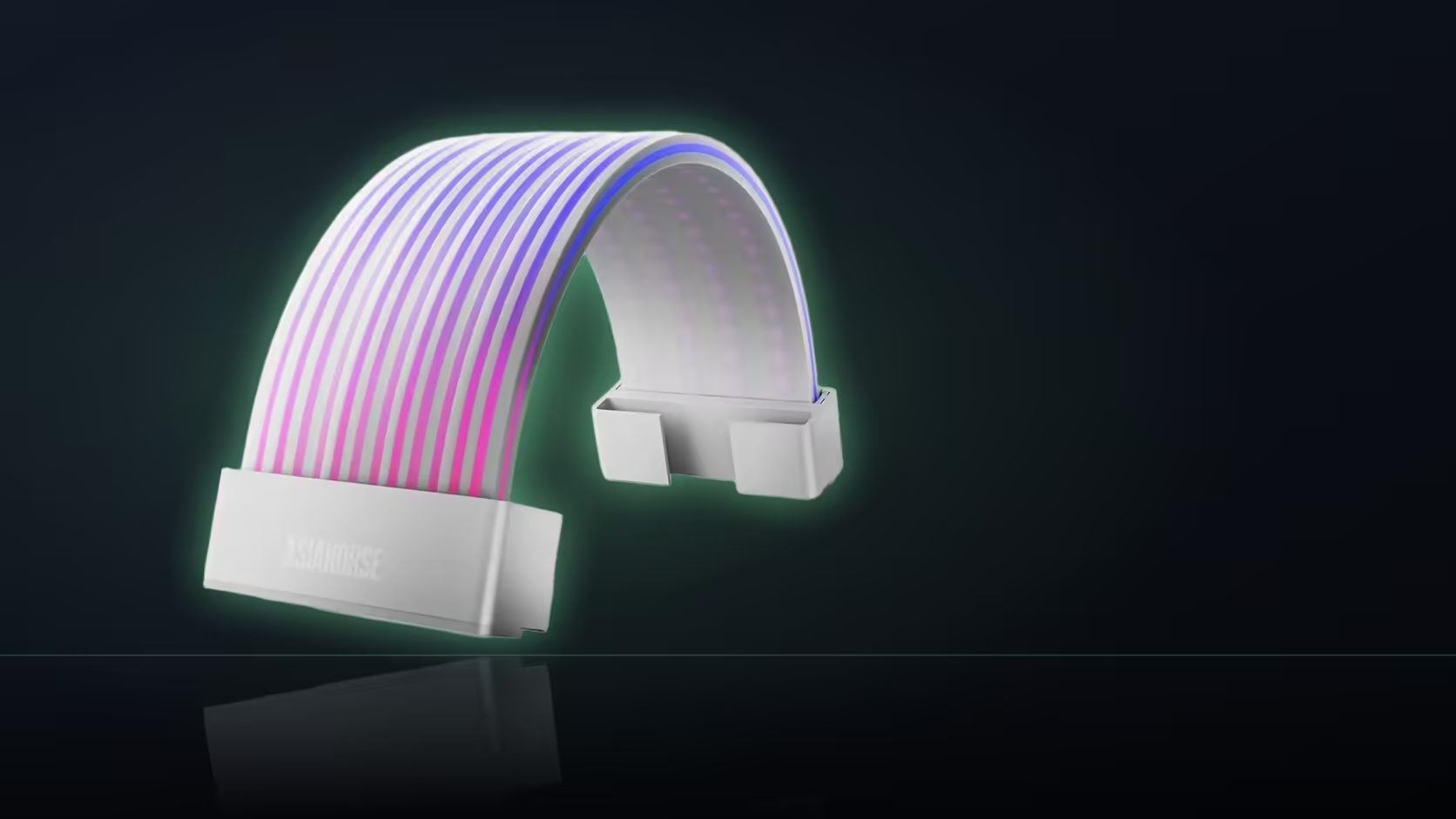
The word "cover" does a lot of work in this product's name, and it's worth taking literally. AsiaHorse's Aurora ARGB cover kit clips onto the outside of a cable run and does nothing more electrically than that - the graphics card's power keeps travelling through the original cable exactly as it always did, with the shell adding nothing but light to the outside of it.
Quick Answer
No power passes through the Aurora ARGB Cover Kit's shells - the product description states this in plain terms. They're covers clipped over the outside of an existing cable run, and the graphics cable underneath continues to carry every bit of the electrical connection exactly as it did before the R699 kit went on.
🔋 Where the current is actually flowing
The original power supply cable, sitting inside the shell once it's clipped shut, is doing all of the electrical work. The cover adds a lit outer layer over that cable but plays no part in delivering current from the supply to the graphics card - it's a purely decorative addition sitting on top of a connection that would work identically with or without it.
🛡️ Does the cover need a power rating then?
No, because it carries no current at all. A power rating would apply to something in the electrical path; the cover's only connection is the small lighting feed it draws from the motherboard, which is a separate and much smaller circuit than anything involved in delivering GPU power.
🌡️ Could a cover like this overheat?
It's drawing only what its 80 or 81 addressable LEDs need through the 5V header - a modest load next to anything actually carrying power to a graphics card. That's a meaningfully different situation to a cable or connector under real electrical load, so heat isn't really a consideration for the shell itself.
🔍 Reaching the cable once it's covered
Once clipped shut, the covered section of cable is enclosed - getting to it means unclipping the shell first, which is straightforward but worth knowing before it's fully installed and tucked into a tight case layout. The connectors at either end of the run stay exactly where they were, since the shell covers a length of cable in the middle rather than either plug.
Why the eight-pin naming can be misleading
The kit's name references the eight-pin GPU run the shell is shaped to fit over, which reads like a connector specification even though the shell provides no connector of its own. The same applies to the 24-pin cover on the motherboard side - both names describe fitment, not function.
For anyone tidying the run either side of where a shell sits, Evetech's cable management accessories are worth a look, and the broader case lighting selection shows how other decorative lighting products handle the same "cover, don't carry" principle.
Frequently Asked Questions
Where does the actual current flow?
Through the original cable underneath the shell, which is completely untouched by the cover clipped around it.
Does the cover need any kind of power rating?
No - it carries no current, so a rating doesn't apply. Its only electrical connection is the small lighting feed to the motherboard.
Could a cover like this overheat?
It draws only what its addressable LEDs need through the 5V header, a small load compared with anything carrying real power.
Is the cable still reachable once the shell is fitted?
Yes, but it's enclosed along the covered section - reaching it means unclipping the shell first before the connection is exposed.
Does this change how I check a connector's seating?
No - the connectors sit at either end of the run, and the shell covers the length of cable in between rather than either plug.
Why does the name mention "eight-pin" at all?
It describes the shape of run the shell is built to fit over, not a connector the cover itself supplies.
Does the same apply to the 24-pin cover?
Yes - both shells in the kit are purely decorative, and neither carries any part of the electrical connection.
Want lighting that doesn't touch the power path?
Browse Evetech's cable and case lighting accessories to add a purely decorative upgrade with no electrical risk.