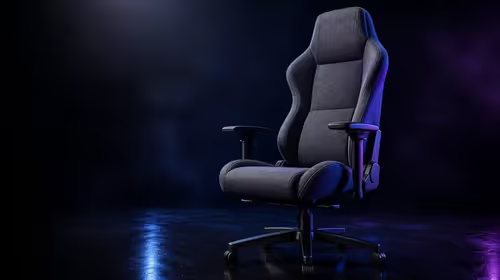
A larger recline range can broaden rest positions without making the chair better for keyboard work. A 145 degree recline office chair should be judged by clearance, control and return to the desk. The HBADA X7 is R14,999 with adjustable support, not a claimed 145-degree specification.
Quick Answer
The X7 offers uninterrupted lumbar support through reclining, but a 145-degree maximum is not one of its stated angles.
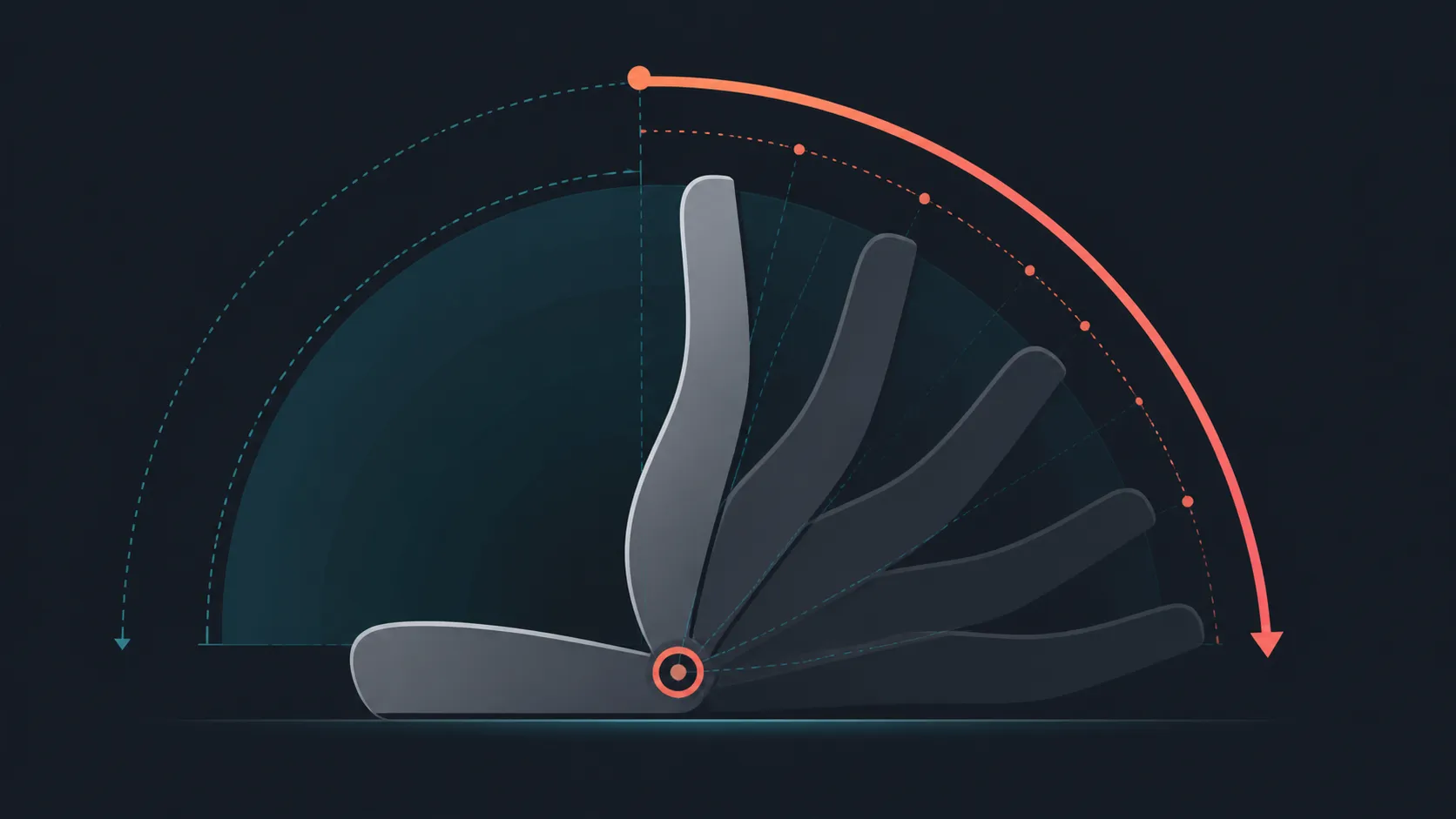
A 145-degree recline can suit relaxation when an exact chair provides it and the user can move safely between rest and work positions. The R14,999 HBADA X7 instead centres on multi-directional support and automated lumbar tracking. Buyers needing 145 degrees should choose a chair that documents it and still passes task-ready reach.
🧭 Separate work posture from rest posture
Work needs comfortable access to the keyboard, pointer and screen. Deep relaxation usually moves the body away from those controls. Create two distinct profiles rather than leaning forward from the reclined position to keep working.
Compare support approaches through Evetech's HBADA office-chair category. The X7's massage or heat may suit a break, but neither function proves a particular backrest angle.
🧭 Verify the range and room fit
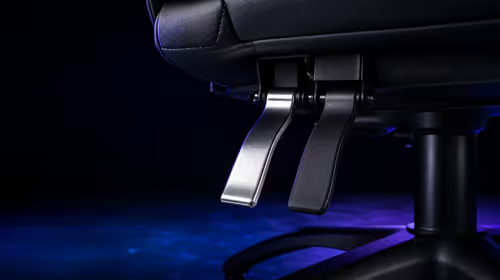
Find an exact chair that documents 145 degrees if the number is mandatory. Measure rear clearance and note cables, walls or furniture that could obstruct movement. Move slowly, preserve stable foot contact and follow the model's adjustment guidance.
Do not assume stepless operation, lock positions, resistance or base dimensions. Those details determine whether the advertised range is useful in the buyer's room and must be checked independently.
🧭 Time the transitions that matter
Use a defined break, then return upright and resume a normal desk task. Record setup effort, support correction and whether the screen or input devices need repositioning. A recline feature that complicates every return may lose value despite the range.
Build the comparison from Evetech office chairs, keeping automated lumbar, ventilation and active comfort in separate rows. The best chair for work and relaxation clears both profiles without one masking the other.
Use a three-position room rehearsal
Mark the task-ready position, a moderate rest position and the deepest documented angle the user expects to use. Move among them slowly while another person watches for wall, cable or desk contact. Record which position remains stable and easy to leave.
The deepest point should not receive automatic priority. A moderate setting may provide the preferred break with less room and a faster return. If 145 degrees remains mandatory, require the exact candidate to document and demonstrate it instead of interpreting multi-directional support as recline.
Repeat the rehearsal with the room arranged as it is on a busy day. Bags, power leads or nearby furniture can change clearance. The final note should name the accepted position and free space, making the comparison useful beyond an empty showroom or freshly cleared office.
Its relevant advantage is continuous back contact as the user moves away from an upright task position. The 4D headrest rotates 70 degrees and adjusts 45mm vertically, helping support a break posture without implying a recline limit the chair does not provide.
A supported return to the upright working position is just as important as the relaxed posture itself.
Frequently Asked Questions
Is a deep recline normally a typing position?
It is better treated as a rest profile. Typing usually needs closer input reach and a more task-ready relationship with the desk.
How should a 145-degree range be verified?
Check the exact model documentation and test the available movement safely. Do not infer the angle from general adjustable support.
Does the HBADA X7 provide multi-directional support?
Yes. The X7 includes multi-directional adjustable support together with automated lumbar tracking.
Can a recline angle guarantee relaxation?
No. Fit, head support, room clearance and user preference influence the result. The number alone is not a comfort outcome.
Which X7 functions may suit a break?
Massage and heat provide active comfort options. Use them under exact guidance and without medical expectations.
How should a work-and-relaxation verdict be written?
Name the exact chair, documented recline range, room clearance and task used in each profile. Record return effort and support contact. This keeps a successful 145-degree candidate distinct from the X7 and prevents a break result from becoming a claim about typing comfort. Include the deepest position actually used, not merely the largest number available, and repeat the transition during the room's normal busy layout.
Keep massage and heat outside the angle result even when they make a break feel different. Repeat the transition with the room in its normal busy arrangement and record the deepest position actually used.
Ready to compare a chair's work and rest profiles separately?
Browse Evetech seating with the required angle, room clearance and return time recorded.