Compatibility problems are cheapest to solve before a new laptop enters the workflow. A disciplined ARM-based Windows laptop compatibility check covers applications, plug-ins, drivers, file exchange and peripherals as separate dependencies.
Quick Answer
Create a must-work list and confirm current platform support for every application, extension and connected device before buying. At R17,999, the PZ13QA supplies a Snapdragon X Plus test system. It reserves 16GB LPDDR5X for active data and 1TB for programs and files. Hardware alone cannot answer a software question.
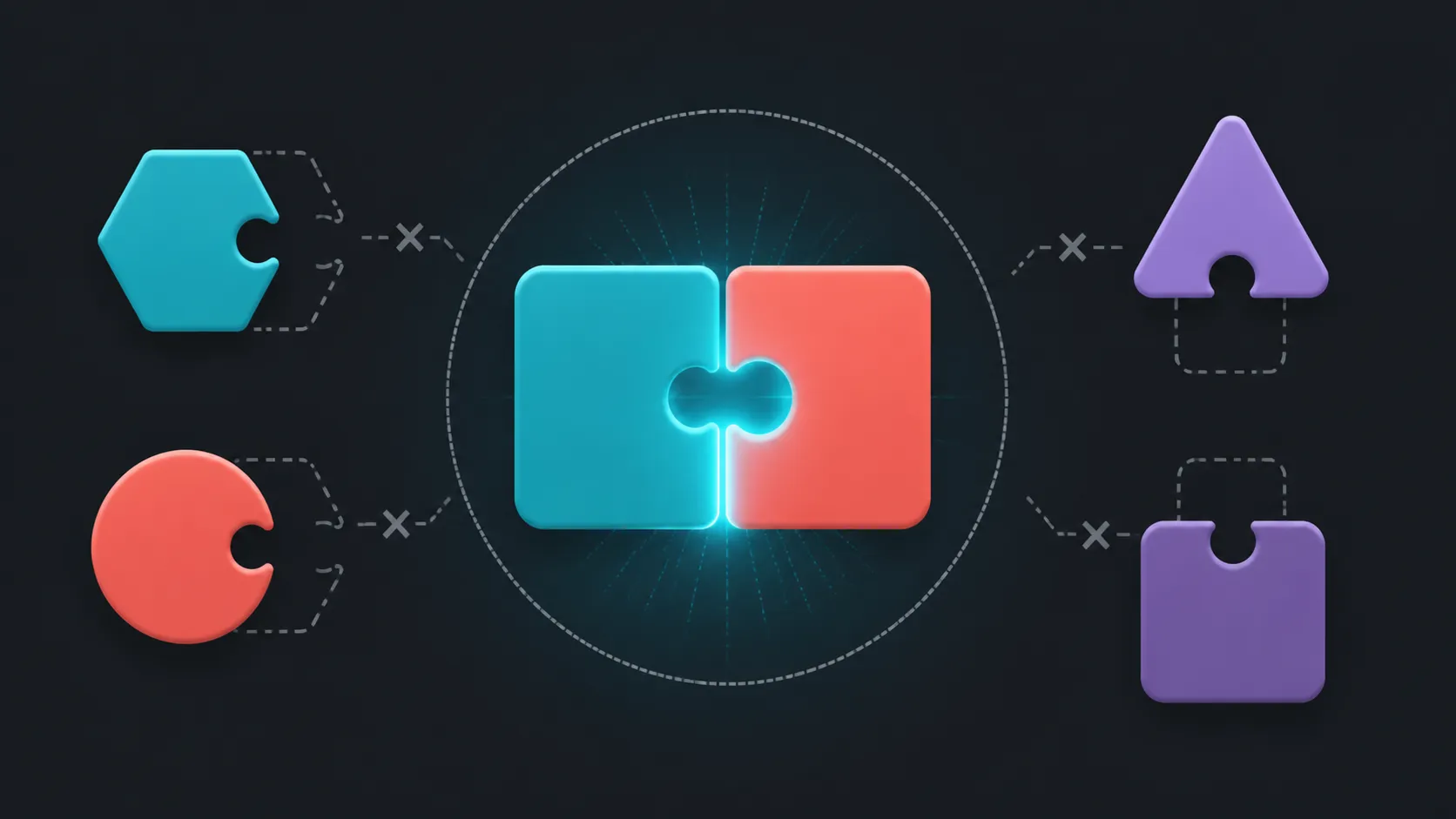
🧾 Define What Failure Would Block
Mark each tool as essential, replaceable or optional. An application used every day deserves more scrutiny than a convenience opened twice a year. Add the formats that move between colleagues or clients because a workflow can fail at exchange even when creation works.
Include printers, capture devices, security tools and any accessory that relies on a driver. Do not group peripherals into a single yes-or-no question. Each device has its own hardware and software path.
Compare creator laptops on Evetech only after the blocked-task list is complete. This prevents a good screen or attractive price from hiding an essential incompatibility.
🔎 Check Support at the Correct Level
Look for the exact application version and the operating environment it supports. Then inspect plug-ins and drivers independently. A compatible main program does not establish that every extension in the production chain is ready.
When a trial is possible, open a normal project, use the required tool set and export to the format another person expects. Note workarounds explicitly. A workaround is only acceptable if its time, reliability and maintenance burden fit the organisation.
🧰 Judge Hardware After the Gate
After compatibility passes, evaluate three distinct resources: 16GB LPDDR5X for the working set, 1TB for growth and a 13.3in WQXGA+ OLED touchscreen for the interface. None should be used as proof of software support.
Its 45 TOPS NPU may accelerate features built to use local AI processing. It cannot repair an unsupported application or missing driver. The Evetech AI PC section is most useful after mandatory tools have passed the first gate.
🧯 Create a Compatibility Risk Register
Give every dependency an owner, evidence source and fallback. A creative application might be owned by the production user, while a printer or security tool may need an administrator's sign-off. This prevents "someone should check" from becoming a surprise after purchase.
Rate consequences rather than technical novelty. A rarely used utility with an easy replacement can be a low risk; a payroll, course or delivery tool with no alternative can be a blocker. Record the last date each item was checked because application and driver support can change.
For a workaround, test the whole repeated process. Count extra conversion, transfer and review steps, and decide whether they are acceptable at the frequency required. A route that succeeds once may still be too fragile for everyday use.
Close the register only when every blocking item has evidence or an approved alternative. Hardware evaluation follows that gate, allowing the R17,999 configuration to be judged on resources rather than asked to solve a software uncertainty.
Schedule a review before a major software or operating-environment change. Re-run only the high-consequence items first, then broaden the check if they pass. Compatibility is a maintained state, so the buying decision should include who notices changes and how the working configuration is protected during updates.
Frequently Asked Questions
Which compatibility checks come first?
Start with applications that can stop the workflow, then test their plug-ins, formats and connected hardware. Optional tools belong later in the review.
Can laptop specifications prove compatibility?
No. Processor, memory and storage describe hardware resources. The software developer, device vendor and a representative trial provide compatibility evidence.
What processor is in the PZ13QA?
The ASUS ProArt PZ13QA uses Snapdragon X Plus. Check each required Windows application and driver for the exact environment before relying on it.
Why verify peripherals individually?
Every connected device may depend on a different driver, utility or feature. One working accessory says nothing about another part of the setup.
What follows after the software review?
Compare the R17,999 ProArt's 16GB LPDDR5X, 1TB capacity, OLED touchscreen and 45 TOPS NPU with the workload that has cleared compatibility.
Ready to resolve compatibility before it becomes downtime?
List every must-work application and device, verify each dependency and shortlist laptops only after the complete chain passes.