Quick Answer
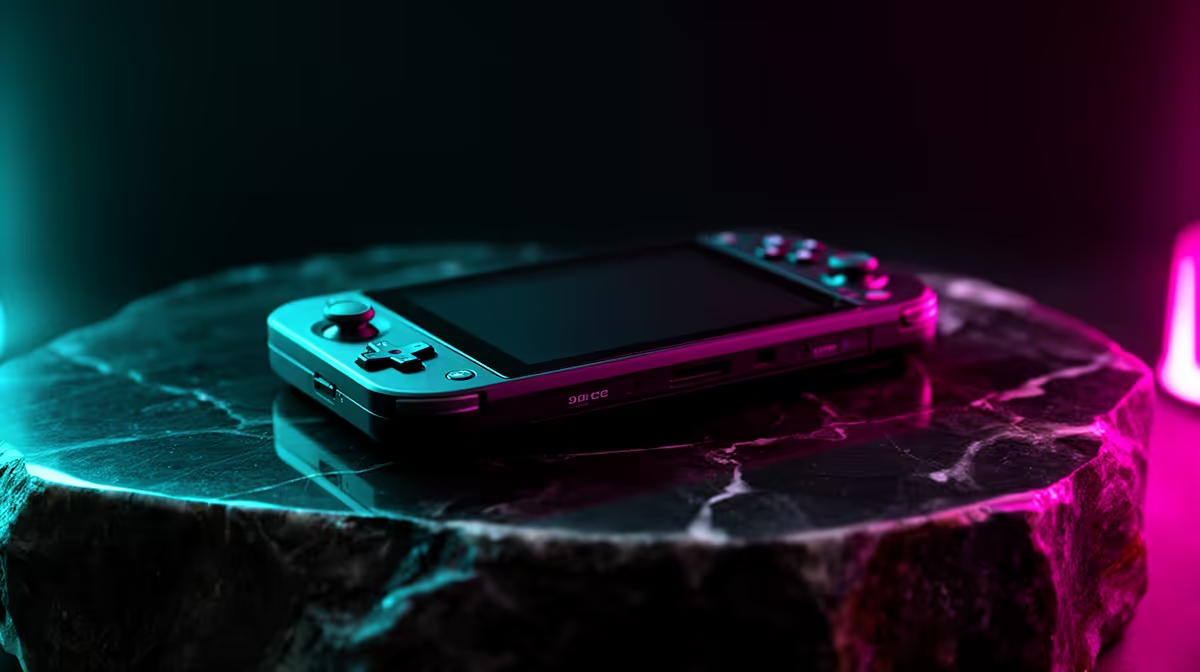
Steam Deck OLED is best judged as an 800p handheld, not as a laptop replacement. In SA, treat the 512 GB and 1 TB OLED models as a roughly R15,000-R24,000 portable-gaming purchase and expect 30-60 fps in many story games with sensible settings.
What It Does Well
The OLED screen, suspend-resume experience, and handheld controls are the real reasons to buy it. Cinematic games, indie titles, emulation-friendly libraries, and backlog play feel excellent because the device is quiet enough, portable, and easy to use away from a desk.
Do not judge it against a full RTX gaming laptop. A laptop at R18,000-R28,000 can deliver more raw FPS, but the Steam Deck OLED wins when couch play, travel, and quick sessions matter more.
FPS Per Rand View
For many story games, 40 fps with a 40 Hz cap is the sweet spot because it feels smoother than 30 fps and saves battery. Lighter games can hit 60 fps, while demanding AAA titles may need low settings, FSR, or a 30 fps cap.
Storage matters too. A 512 GB model fills quickly when single games can exceed 100 GB, so a 1 TB model or high-quality microSD card should be priced into the cart.
SA Buyer Checks
Confirm warranty route, charger compatibility, storage size, and whether the game library is verified or playable on SteamOS. If you need Windows-only anti-cheat games, check compatibility before buying.
FAQ
Is Steam Deck OLED good for AAA games?
Yes for many older or well-optimised AAA games, but it is still an 800p handheld. Expect 30-60 fps depending on settings and the title.
Should I buy 512 GB or 1 TB?
Choose 1 TB if the budget allows it. The 512 GB model works, but modern game installs can fill it quickly.
Is it better than a gaming laptop?
No for raw performance, yes for portable convenience. A gaming laptop is better for 1080p high-refresh play; Steam Deck OLED is better for handheld sessions.
Pro Tip
Set a 40 Hz cap for demanding story games first; it often gives the best mix of smoothness, heat, and battery life.