Repeated ripples after corners or direction changes provide a visible trail for motion diagnosis. Reducing ringing and ghosting at high 3D print speeds calls for a sound machine baseline, controlled test geometry and gradual profile changes.
Quick Answer
The Neptune 4 Max uses X- and Y-axis acceleration sensors for automatic resonance compensation, directly targeting ringing and ghosting during faster motion.
Inspect the printer mechanically, choose a reference part with repeatable sharp features and tune one motion variable at a time. In the R9,399 Neptune 4 Max, Klipper runs on a high-speed motherboard with a 500mm/s operating ceiling, but that maximum cannot guarantee a clean surface. Retain a lower profile whenever it produces the required result more consistently.
🔍 Identify the Mark Before Tuning
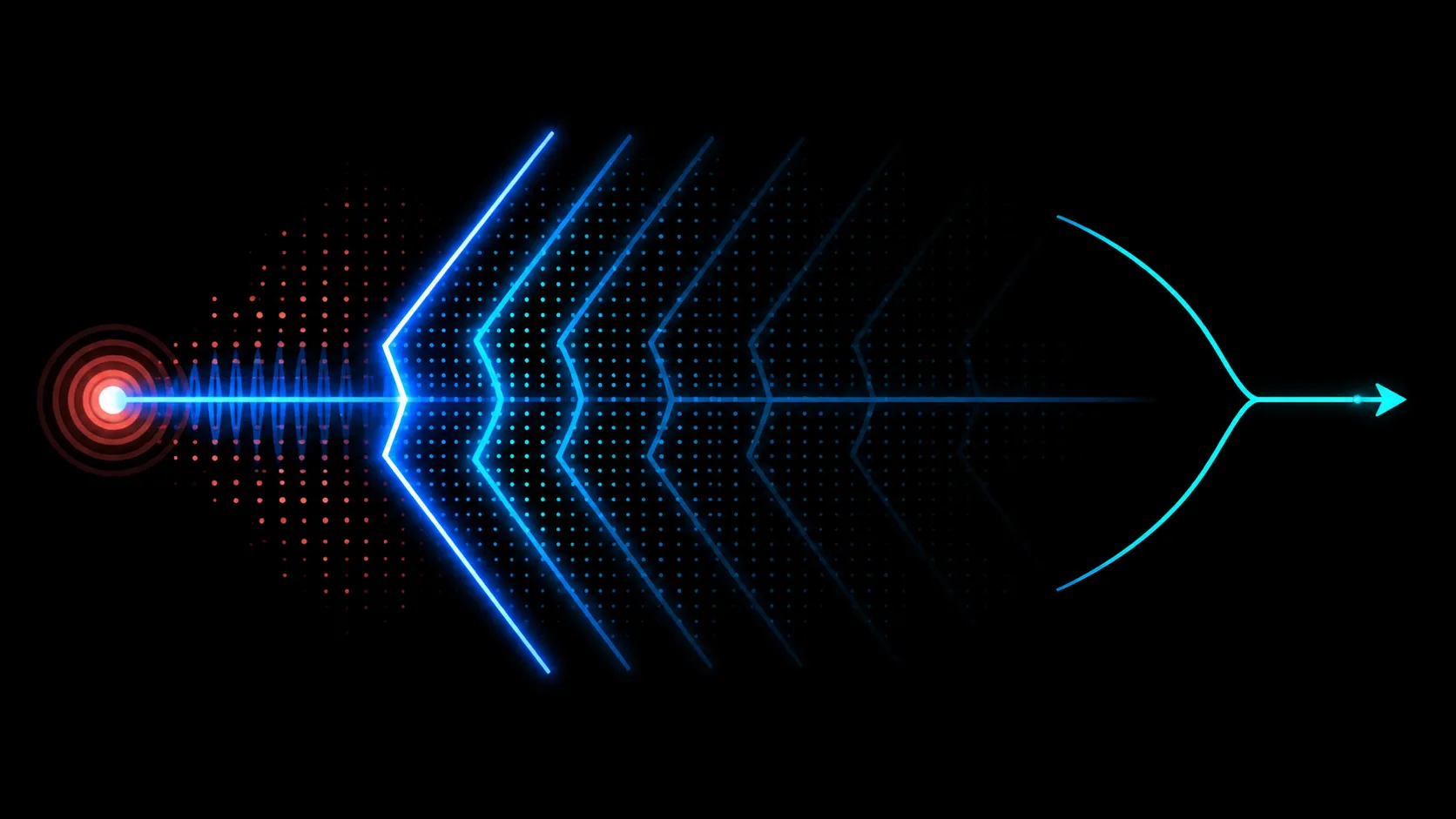
Ringing or ghosting often appears as diminishing repeated lines near an edge or abrupt feature. Photograph the same face under the same light and mark the direction of the pattern. A vague description such as rough is not precise enough to guide a motion test.
Choose a small object containing straight walls, corners and features aligned along different axes. The high-speed 3D printer range can be compared using that reference shape once the visual pass line is established.
🔧 Establish Mechanical Consistency
Check ordinary maintenance and mechanical condition according to the machine instructions before changing software values. Loose, worn or incorrectly set components can produce marks that profile experimentation will not solve reliably.
Print the reference twice with the baseline. If the marks move or vary substantially, investigate repeatability first. Tuning from an unstable starting point creates profiles that chase random differences rather than a persistent symptom.
🎛️ Change Motion in Named Steps
Label every trial by the single control altered and keep the previous passing profile. Compare the same surfaces, corners and dimensions after each run. Do not change filament, orientation and motion simultaneously.
Klipper supports a high-speed control workflow, while the useful setting still depends on the exact machine, geometry and material. Compare the wider Evetech 3D printer selection with tuning access and repeatability included, not only maximum rate.
When a change reduces ringing but harms fit or another feature, it has not passed the complete part. Maintain separate profiles if rough drafts and finished functional pieces need different compromises.
🧵 Keep Flow and Temperature Separate
High motion can expose whether the selected material route keeps up, yet a visible defect should not be assigned to flow without evidence. Its hot end reaches 300C; that boundary neither proves material compatibility nor specifies a high-speed profile.
Select and verify the spool through 3D printing filament at Evetech. Keep material identity and condition constant for the comparison. After the motion test passes, validate a larger representative part to ensure the result survives longer paths.
Archive one photographed sample beside the profile. A known good edge gives future maintenance and software changes an objective regression check.
Measure the distance between the triggering edge and each visible echo on the reference face. The purpose is not to calculate a product specification; it is to make before-and-after inspection more consistent. Note whether the pattern appears along one axis, both axes or only on a certain height.
Finally, finish by printing a longer section that contains the accepted corner repeatedly. A short test can pass by chance, while repeated transitions reveal whether the chosen compromise remains stable through a realistic sequence.
Start near the recommended 250mm/s rather than the 500mm/s ceiling, and use one tall geometric test to reveal repeated ripples. The printer supports 8000mm/s² acceleration, so motion settings can excite the frame even when extrusion remains stable. Resonance compensation provides a measured correction path; secure mechanics, sensible feature speeds and a consistent direct-drive flow still need to support it.
Frequently Asked Questions
What do ringing and ghosting look like?
They commonly appear as repeated fading lines beside an edge or sudden directional feature. Inspect identical faces under consistent lighting.
Where should troubleshooting begin?
Start with the ordinary mechanical baseline and two repeat prints. Stable evidence should exist before motion settings are adjusted.
Why use the same test model each time?
Fixed geometry and orientation make a changed surface easier to associate with the one profile variable under evaluation.
Does the 500mm/s ceiling guarantee clean surfaces?
No. It describes maximum operating capability. Surface outcome at any rate must be observed on the chosen part and material.
Which controller supports the high-speed workflow?
The Neptune 4 Max runs Klipper on a high-speed motherboard, providing the platform for controlled motion tuning.
When should a lower setting be retained?
Keep it when faster movement introduces visible echoes, dimensional failure or inconsistent output that matters to the part's purpose.
Ready to tune from a photographed reference edge?
Explore Klipper 3D printers and filament at Evetech after defining the surface and fit checks each motion profile must pass.