Recording a screen is easy to start and painful to repeat when a file is damaged or private information slips into frame. OBS screen recorder setups work best when the capture target, audio route and save location are decided before the record button is pressed.
Quick Answer
OBS can record an entire display, a single application window or a chosen source together with selected audio. Local recording writes the capture to storage and does not use LTE by itself. Use a recording format that survives an interruption, then remux the completed file to MP4 after OBS has closed it safely.
✅ Choose the right thing to capture
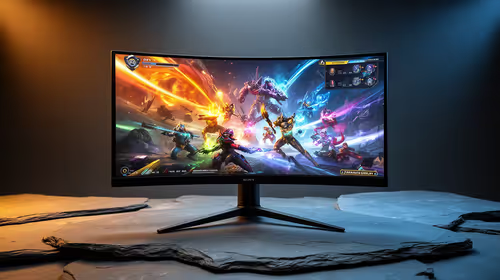
Display capture records everything visible on one monitor. It is useful for a demonstration that moves between applications, but it can also reveal pop-up messages, private tabs or an accidental second window. Window capture is often the safer choice when the recording needs to show one programme only.
Open the target application before starting the scene and check the preview carefully. Turn off notification previews, close personal chats and move any sensitive documents off the captured screen. A short test is much cheaper than discovering an exposed password prompt after a long tutorial is finished.
The streaming starter guide helps place capture in a wider setup, while the streaming essentials section covers equipment that may support the recording space.
🛡 Protect the recording from an interruption
Direct MP4 recording can leave an unusable file when a computer crashes or power is lost before the file closes properly. A more resilient capture format keeps a long recording safer, after which OBS can remux the completed result to MP4 for editors and sharing platforms.
Choose the save drive before the session begins and make room for more than the expected duration. Bitrate, recording length and audio tracks determine the file size, so a one-minute sample is more informative than guessing from resolution alone. An SSD can be helpful for sustained local writes and for moving completed footage without relying on a connection.
📶 Separate local capture from online traffic
OBS recording is local: it writes video and audio to the selected drive rather than uploading every frame. That makes it practical for South African creators who need to avoid using LTE while they work. The data use arrives later if the file is backed up, transferred to a collaborator or uploaded to a platform.
This distinction is worth planning around. Record the master locally, review it, then schedule the heavy upload for an uncapped fibre connection where possible. If a project must be sent using mobile data, know the actual file size first rather than discovering halfway through that the allowance cannot cover it.
🔌 Check sound before the important take
A screen recording can look perfect while being useless because desktop audio, narration or both are absent. Select the intended output and input devices in OBS, watch the correct meters and play back a test file through headphones. System permissions, muted sources and a Bluetooth device changing profile are common reasons the final track does not match the preview.
Keep voice, desktop sound and music on distinct sources when the project needs later editing. That gives you a chance to balance a loud notification or replace a weak narration without rebuilding the whole recording. Name the scene and output files plainly so a rushed handover does not pick up the wrong version.
Frequently Asked Questions
How do I record my whole screen in OBS?
Add a display-capture source, select the intended monitor, confirm the preview and test the chosen audio sources. Review a short clip before beginning a long capture.
Is MP4 safe for direct OBS recording?
It is convenient after a recording is complete, but an interruption before the file closes can leave it unusable. A resilient recording format followed by remuxing is safer.
Does recording with OBS consume mobile data?
No, not for the local recording itself. Data is used later if you upload, back up or send the finished file through an online service.
Why is desktop audio missing in my recording?
OBS may be pointed at another output, the source may be muted or operating-system permissions can block capture. Check meters and playback with the devices you will actually use.
How much free space should I leave for a recording?
Make a one-minute capture at your planned bitrate and use its file size to estimate the full session. Leave extra room for retries, exports and the final remuxed copy.
Ready to capture a session without gambling on the final file?
Set up local storage, clear audio and a short rehearsal before your next important recording.