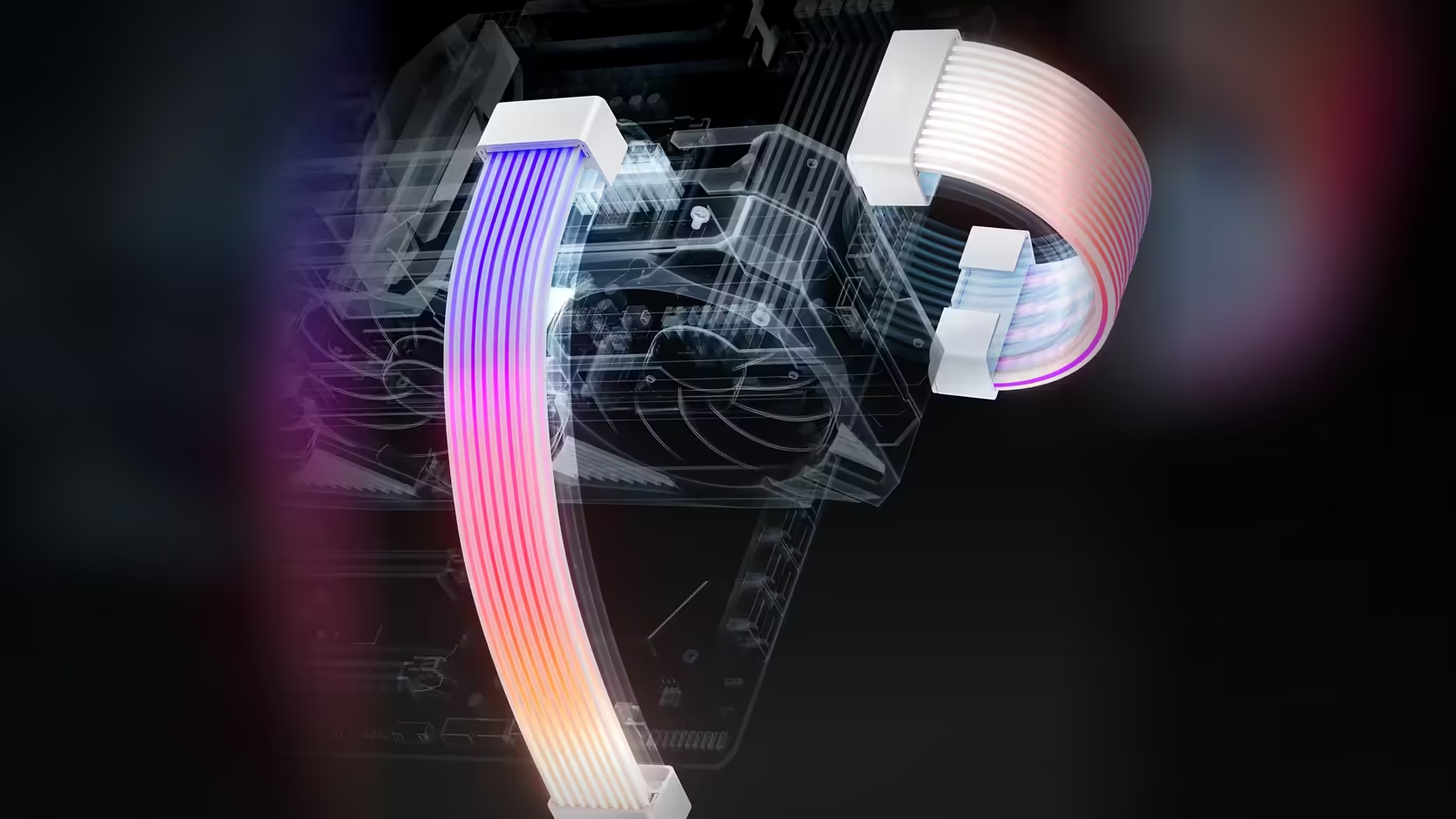
Two-piece lighting kits usually mean two connections, or at the very least a small hub somewhere to bring them together. AsiaHorse's Aurora ARGB cover kit doesn't work that way at all - both shells run from a single motherboard header, which is genuinely unusual for a product with two separate physical parts.
Quick Answer
A single 5V 3-pin motherboard header powers and syncs both shells in the Aurora ARGB Cover Kit, so the R699 kit asks for one connection rather than two despite being a two-piece product. That's uncommon for lighting kits with separate components, and it means the header choice is the only real wiring decision the whole installation involves.
🔌 How many connections the kit actually makes
Just one - to a 5V 3-pin addressable header, carrying both the power the LEDs need and the sync signal that ties them into the board's own lighting scheme. Everything else about the install is mechanical: clipping the shells onto their respective cable runs.
🤝 Does each shell need its own lead?
No. The kit is built to draw from a single header, meaning the connection is shared between the 24-pin cover and the eight-pin cover rather than doubled up. That's part of what makes this a simpler wiring job than a comparable two-part product with separate leads for each piece.
🎯 Choosing which header to use
Whichever free header sits closest to the two cable runs is generally the right pick, since that keeps the lead's own path short and easy to hide rather than having it cross visibly through the middle of the case to reach a header on the far side of the board.
🔀 Can it share a header with other devices?
Through a splitter, yes - subject to whatever the motherboard's documentation says about how many devices, and how much total LED load, a single header can reliably support. That's worth checking against the board's specification before assuming a splitter will work cleanly, since overloading a header tends to produce dim or inconsistent lighting rather than an obvious failure.
🎨 Does sharing one header limit the lighting effects?
Both shells follow whatever the board drives on that shared header, so they display the same scheme together rather than running two independent effects side by side. For most builds that's not a real limitation - a matched pair of cable runs generally looks more coherent running the same pattern anyway - but it's worth knowing this isn't a setup for two shells doing different things at once.
What if the header sits far from the runs?
Then routing that single lead becomes its own small planning task, since it needs to reach the header without crossing the visible part of the case untidily. This is usually a minor consideration next to positioning the shells themselves, and Evetech's cable management accessories can help keep that lead out of sight along the way. A few other single-header addressable products, and roughly what they cost by comparison, can be found in the site's case lighting range.
↩️ Is the connection reversible?
Fully - unplugging the lead returns the build to exactly how it was before, with the shells simply sitting unlit rather than affecting anything else in the system. Reconnecting it brings the lighting straight back.
Frequently Asked Questions
How many connections does the whole kit make?
Just one, to a single 5V 3-pin addressable header, carrying both power for the LEDs and the sync signal together.
Does each shell need its own separate lead?
No - the kit draws from a shared header, so the connection serves the 24-pin and eight-pin covers together rather than needing two.
Which header should be chosen for the connection?
Whichever is free and closest to the two cable runs, keeping the lead's own path as short and hidden as possible.
Can the kit share a header with other lit devices?
Through a splitter, subject to what the board's documentation allows for device and LED count on a single header.
Does sharing one header limit what effects are possible?
Both shells follow whatever the board drives on that shared header, so they run the same scheme together rather than independent effects.
What if the nearest free header is far from the runs?
Then routing that lead becomes part of the planning, since it has to reach the header without crossing the visible case untidily.
Is the connection easy to undo later?
Yes - unplugging the lead simply returns the shells to an unlit state without affecting anything else in the build.
One header, two lit shells - want to see the fit?
Browse Evetech's motherboard and cable accessory ranges to plan the connection before you order.