The choice between open-back vs closed-back headphones comes down to one physical decision the designer made: whether to seal the back of the driver or let it breathe. That single difference cascades into soundstage, noise isolation, comfort, and where you can realistically use them. Get the match right and the headphones disappear into the music; get it wrong and you fight them every session.
Quick Answer
Buy closed-back if you need to block outside noise or stop sound leaking to people nearby (offices, commuting, late-night gaming). Buy open-back if you sit in a quiet room and want the widest, most natural soundstage for music, mixing, or immersive single-player titles. Open-backs leak sound both ways by design; closed-backs trap it.
The One Difference That Decides Everything
Closed-back headphones seal the rear of each ear cup. That trapped air isolates you from the room and keeps your audio from spilling out. The result is strong noise blocking and a more contained, often punchier bass response, at the cost of a sound that can feel like it sits inside your head.
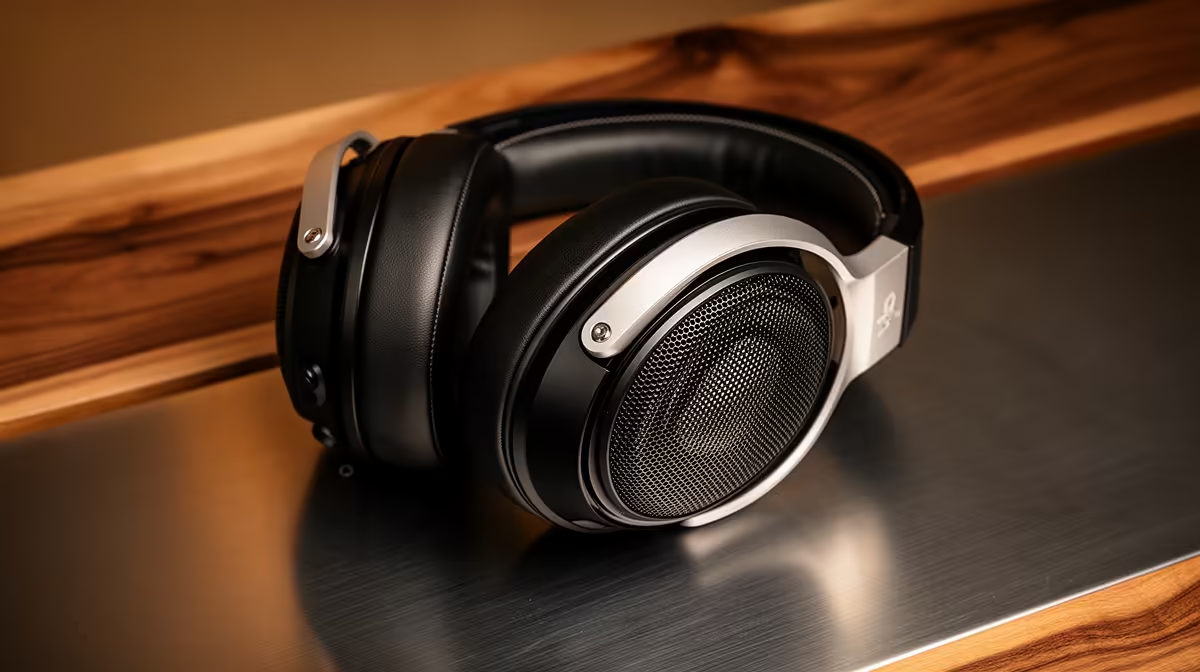
Open-back headphones leave the rear of the cup vented, usually behind a grille. The driver moves air freely in both directions, which removes pressure build-up and produces a wider, airier soundstage where instruments seem to occupy space around you rather than between your ears. The trade is total: they leak sound out and let the room in. Anyone next to you hears your music, and you hear them.
Where Each Design Wins
Closed-back is the practical default for shared and noisy spaces. A student in res, a worker in an open-plan office, or a gamer who streams late at night all benefit from isolation that keeps the world out and their audio in. For competitive shooters, a good closed-back also keeps footstep cues sharp without bleeding chat audio to a microphone.
Open-back rewards a controlled, quiet room. For immersive single-player games, music listening, and especially audio mixing, the spacious presentation helps you place sounds accurately and fatigue sets in more slowly because there is no sealed pressure on your ears. If you live in a quiet flat or have a room to yourself, open-backs are the ones that make a familiar track feel new again. The wider over-ear options at Evetech cover both designs if you want to compare cup styles side by side.
Comfort, Heat, and Long Sessions
Sealed cups trap heat. Over a multi-hour session, closed-backs can leave your ears warm and a touch sweaty, which is why marathon listeners and people in warmer SA climates often gravitate to open-backs for the airflow alone. Open vents let heat escape, so they tend to stay comfortable longer.
Weight and clamping force matter just as much as the open or closed question, so try to judge a pair on the head rather than on a spec sheet. Pricing for a genuinely good set spans a wide range depending on driver quality and build, and scanning the headsets people actually buy most gives a realistic feel for where the sweet spot sits.
Frequently Asked Questions
Are open-back headphones better for gaming?
For immersive single-player and competitive titles in a quiet room, yes, because the wider soundstage helps you locate enemies and effects. But if you game in a shared space or stream, closed-back isolation is the smarter pick so audio does not leak into your mic or disturb others.
Do closed-back headphones have worse sound?
No, they sound different, not worse. Closed-backs often deliver punchier, more contained bass and excellent isolation. Open-backs trade some of that bass impact for a more spacious, natural soundstage. Each suits different listening.
Can other people hear my open-back headphones?
Yes. Open-backs leak sound outward by design, so anyone nearby will hear your audio at moderate volume. That makes them unsuitable for offices, shared rooms, or any quiet public space.
Which is better for mixing and audio work?
Open-back headphones are the common choice for mixing because their wider, more accurate soundstage helps you judge spatial placement and reduces ear fatigue over long sessions. Closed-backs are still useful for tracking where isolation prevents bleed.
Are open-backs comfortable in hot weather?
Generally more so. The vented cups let heat escape rather than trapping it against your ears, which keeps long sessions cooler than sealed closed-back designs, a real advantage in warmer SA conditions.