


650W PSU Planning for RTX 5090 Builds in SA
650W for RTX 5090 needs a full-build check, not a simple yes. Review GPU guidance, CPU draw, transient load, connectors, PSU quality, and upgrade plans before deciding.
Read moreFor GIS fieldwork, a photo-editing PC is worth it when map visuals, large image sets and field reports need smoother processing than an entry setup can offer. In case 31-38, the creator GPU range already listed runs from RTX 5070 Ti 16GB at R12,700 to RTX PRO 4000 24GB at R16,700, with high-end workstation work scaling to RTX PRO 6000 96GB at R151,700.
A photo-editing PC is worthwhile for GIS fieldwork only when the same system processes large imagery, edits field photographs or produces visual media after collection. Field mobility, battery, offline maps, ports and data protection may matter more than creator performance away from the office.
List mapping software, datasets, imagery, survey devices and expected time away from mains power. Test the heaviest spatial analysis and representative photo export, recording processor use, system memory, graphics-memory pressure, storage activity and completion time. Rehearse import from each field device.
The ASUS ExpertBook P1503 at R9,858 is a verified laptop reference, not a guaranteed GIS or photo-editing workstation and not a rugged field device. The Dell S2725QC 4K USB-C monitor at R6,128 is a separate display reference. Confirm live software, battery, port and environmental support.
Use protective transport, approved offline maps, secure sign-in and appropriate encryption. Verify captured files before clearing instruments, keep another independent copy away from the field bag and preserve photo originals separately from edits. A desktop may process heavy imagery better.
Buy creator-class performance when the measured office workload requires it. Prioritise dependable mobility when field collection remains the real constraint.
Field success also requires readable maps, charged devices and duplicate project copies, not just fast photo previews at the office.
Preparing GIS field hardware? > Compare Evetech laptops against the real software, data and travel conditions.
Choose around GIS fieldwork output first, then weigh creator PC cost against the mapping and photo workload.
Field reports and map-image handling need a PC that suits the software load, desk space and upgrade plan already described.
This points to checking that the current fieldwork setup can connect cleanly and use the selected performance level.
For light GIS admin, budget gear can be enough, while heavier map and photo work justifies paying for steadier speed.
This is about removing the slowest part of the GIS workflow, especially image processing, long sessions or setup fit.
A main PC upgrade is favoured when add-ons will not solve slow fieldwork processing or setup restrictions.
650W for RTX 5090 needs a full-build check, not a simple yes. Review GPU guidance, CPU draw, transient load, connectors, PSU quality, and upgrade plans before deciding.
Read more
How to fix FPS drops Windows 11 RX 9070 XT starts with GPU drivers, overlays, power plans, and frame pacing checks. For SA gaming PCs, verify chipset updates, HAGS, refresh rate, thermals, and per-game graphics settings.
Read more
How to fix FPS drops on X870E motherboard starts with BIOS, chipset drivers, PCIe settings, and memory stability. SA gamers can check EXPO, resize BAR, thermals, display refresh, and background apps before replacing components.
Read more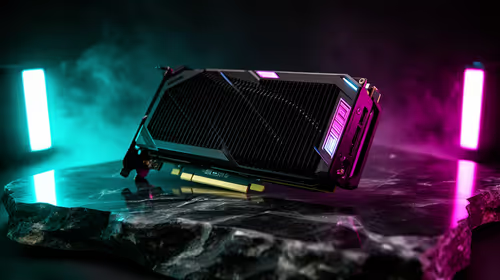
RTX 5060 is popular with SA students because it can fit gaming, coursework, and creative app needs in one setup. Compare total system price, cooling, RAM, storage, and screen quality before picking a desktop or laptop.
Read more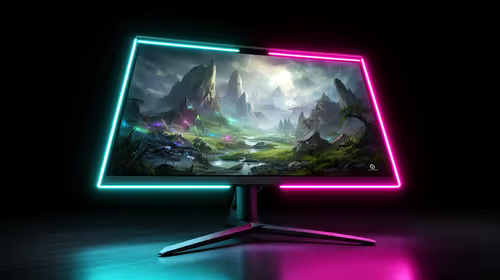
1440p is the sweet spot for SA gamers because it balances sharp visuals, high frame rates, and GPU cost better than 4K. It is a practical monitor target for players who want smoother upgrades without the heavier hardware demands of 4K.
Read more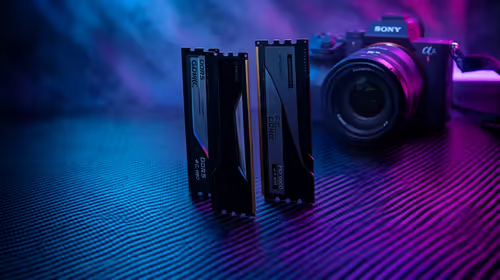
RAM pricing for Midrand gamers can shift with exchange rates, supply, specs, and model tier. Treat the title as a buying prompt, then compare SA warranty, timing, and build priorities.
Read more
From 1 October 2026, WhatsApp Business Platform service replies in South Africa are expected to cost about $0.0076, or 12 cents, per delivered message.
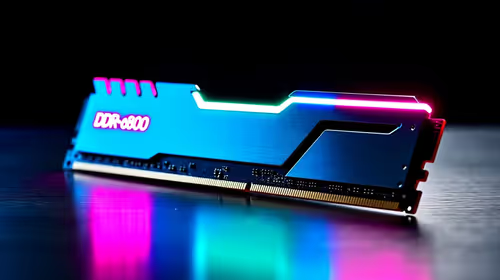
DDR5-8000 RAM Kits pros and cons depend on the build, budget, and workload. Weigh gaming needs, platform fit, power, cooling, warranty support, and South African pricing context before shortlisting it.
Wi-Fi 6E vs Wi-Fi 6 depends on AAA single-player gaming needs, platform limits, and budget fit. Compare compatibility, latency, upgrade path, and real setup constraints before choosing for an SA build.
Ryzen 9 9950X3D dead pixel checks should isolate the panel first. Run colour fills, inspect the monitor menu, test another cable or input, and capture proof before linking it to the SA CPU upgrade.

YouTube will count public views from the first frame across video formats from 24 August, while earnings and eligibility remain tied to engaged viewing.
Canonical expects Ubuntu on WSL users to outnumber native Ubuntu desktop users before the end of 2026. The software is open source and runs inside supported Windows PCs.
Telkom's daily bundles pair WhatsApp access with 10 all-network voice minutes. The R15 option includes 300MB, while the R17 option uses a fair-use threshold.
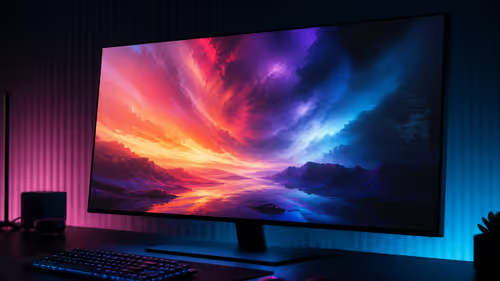
A 10,000-hour test found similar image retention across older and newer OLED TVs, while newer panels were brighter and more efficient. Local OLED monitors started at R9,999.
650W for RTX 5090 needs a full-build check, not a simple yes. Review GPU guidance, CPU draw, transient load, connectors, PSU quality, and upgrade plans before deciding.
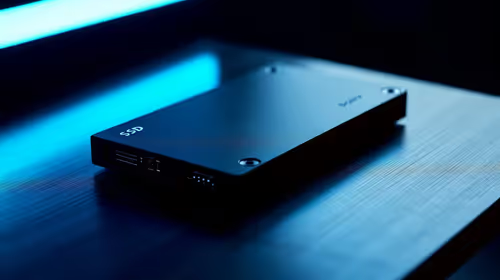
PCIe 5.0 and PCIe 4.0 differ most in lane support, compatibility, and upgrade value for strategy and sim games. SA buyers should match the choice to their actual hardware and games.
How to fix FPS drops Windows 11 RX 9070 XT starts with GPU drivers, overlays, power plans, and frame pacing checks. For SA gaming PCs, verify chipset updates, HAGS, refresh rate, thermals, and per-game graphics settings.
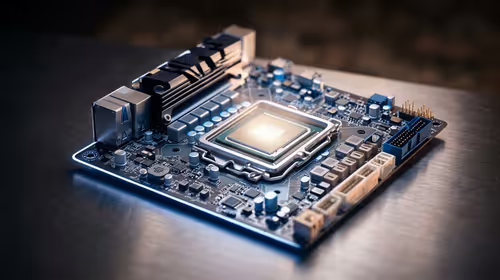
AM5 vs AM4 for video editing in 4K Difference explained is mostly about compatibility, budget, upgrade path, and setup fit. SA buyers should check device support and real needs before expecting a clear win from either option.