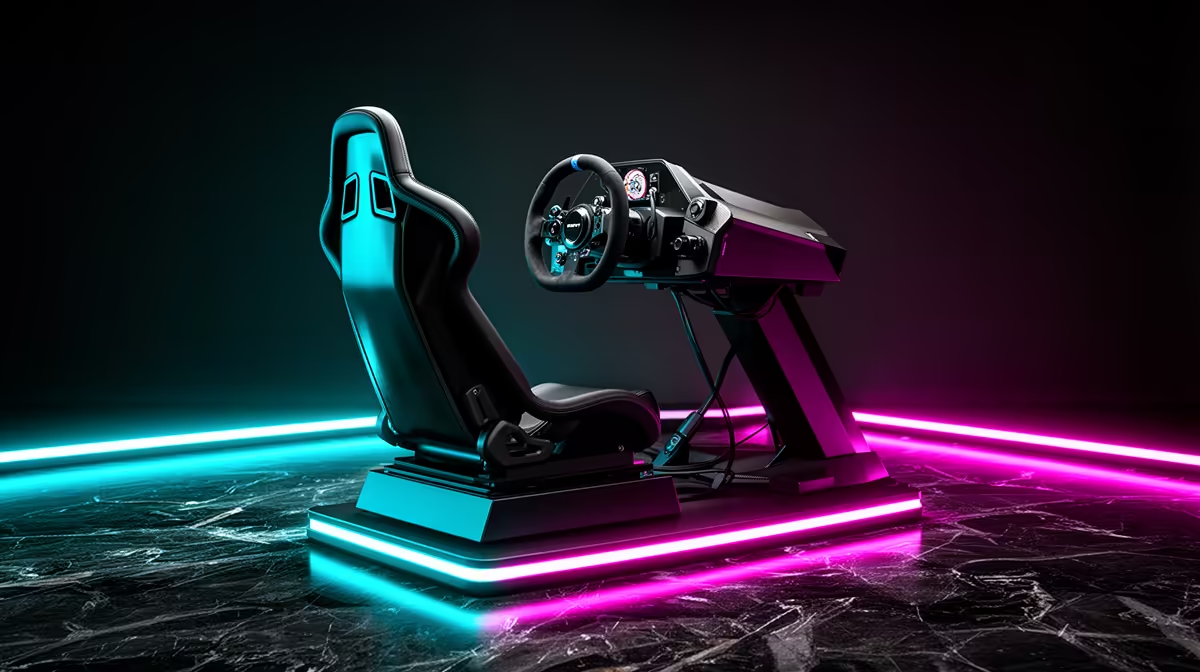
A racing simulator setup is more than a wheel, so the specs that actually matter, force feedback type, wheel rotation, pedal feel and rig rigidity, decide how realistic and durable your sim feels. Knowing these helps a South African buyer build a rig that satisfies without overspending.
Quick Answer
For racing simulators, the specs that matter are the force feedback type (belt or direct drive), wheel rotation (900 degrees for realism), pedal quality, and a rigid mounting rig. A solid sim setup builds from a wheel and pedal base around R4,000 to R9,000 at Evetech, with direct-drive bases costing more.
Force Feedback And Wheel Rotation
Force feedback is the heart of immersion. Belt-driven and gear-driven wheels are affordable and good for most sim racers, while direct-drive bases deliver stronger, smoother and more detailed feedback for serious drivers, at a higher price. Wheel rotation matters too: a wheel supporting 900 degrees of rotation lets you steer rally and road cars realistically, while limited-rotation wheels suit arcade-style play. Match the feedback type to how serious your racing is.
Pedals And Rig Rigidity
Pedals affect braking precision more than people expect; a load-cell brake pedal measures pressure rather than travel, giving consistent, realistic braking that improves lap times. Just as important is the rig: a flimsy desk clamp flexes under strong feedback, ruining the feel, so a rigid cockpit or sturdy stand keeps the wheel and pedals planted. Rig rigidity scales with feedback strength.
Build In The Right Order
Start with a quality wheel and pedal base, then add a rigid rig, then upgrade to direct drive or load-cell pedals as your skill grows. Buying a strong base on a flimsy mount wastes the feedback.
FAQ
Is direct drive worth it for sim racing?
For serious drivers, yes, since direct-drive bases give stronger, smoother and more detailed force feedback than belt or gear wheels. For most sim racers, a quality belt-driven wheel delivers excellent feel for far less money.
What pedals should I get for sim racing?
A load-cell brake pedal is the upgrade that improves braking most, because it measures pressure for consistent, realistic stopping. Standard potentiometer pedals work for casual play, but load-cell pedals sharpen precision and lap times.
Do I need a dedicated racing rig?
A rigid rig or sturdy stand matters because strong force feedback flexes a flimsy desk clamp, ruining the feel. The stronger your wheel's feedback, the more important a rigid mounting becomes for an accurate experience.
Build your sim from a quality wheel and pedal base on a rigid rig at Evetech, then add direct drive or load-cell pedals as your racing gets more serious.