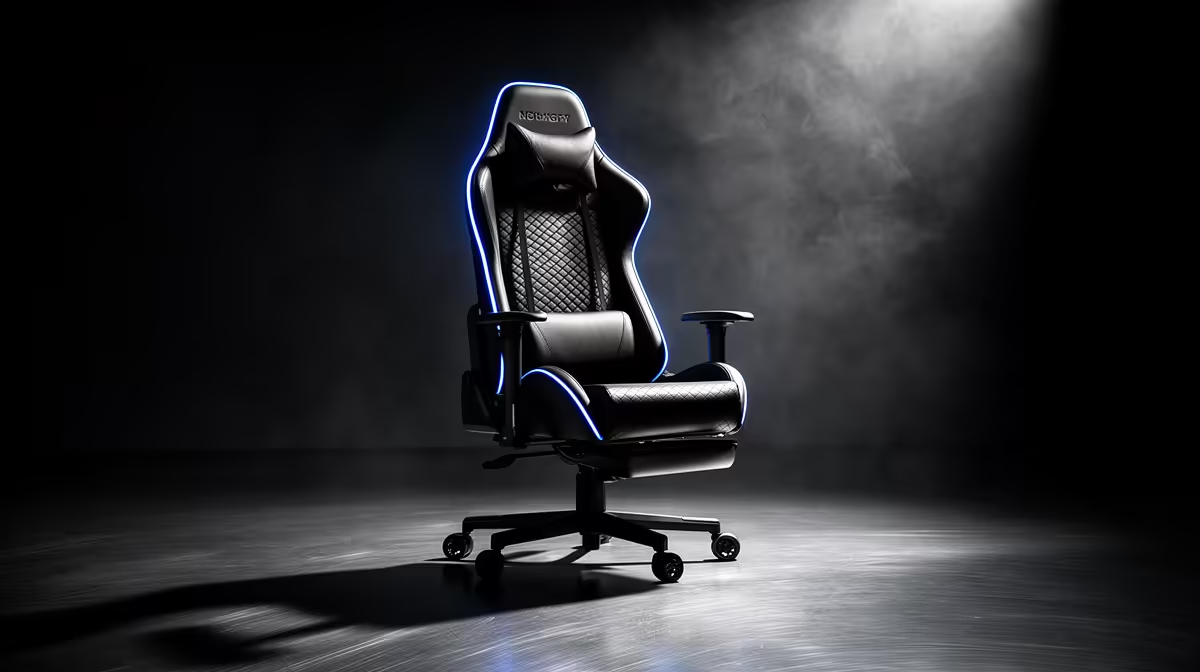
The buy a chair or a desk first call comes down to where each rand does the most work for how you actually play and create.
Quick Answer
On R15,000, prioritise the option that lifts the experience you use most: spend on the component you will feel every session, and treat the rest as a sensible compromise. A balanced choice beats maxing one part and starving the others.
buy a chair or a desk first On R15,000
With R15,000 on the table, the smart split is the one that avoids a bottleneck. Decide what you do most, gaming, productivity, or streaming, then weight the build toward that. Over-investing in one part while another lags just leaves performance on the table, so aim for a balance that the whole system can actually use.
Where The Money Goes Furthest
On R15,000, the upgrade you notice every session is the one to fund first. Map your hours: if you mostly game, the GPU and monitor lead; if you create, cores and RAM matter more. Then size the rest so nothing holds the lead part back.
The Bottleneck To Avoid
A lopsided build wastes money. Pairing a strong part with a weak partner caps the strong one, so on R15,000 match the components rather than splurging on a single headline upgrade. The smoothest result comes from balance, not a hero part surrounded by compromises.
Take a moment to compare a couple of options side by side before you commit, since the right pick saves money and hassle later.
FAQ
Should I max one part on R15,000?
No. A lopsided build caps the strong component with a weak partner. On R15,000, balance beats a hero part surrounded by compromises.
What if my budget is fixed at R15,000?
Rank your weekly hours by activity, fund the lead component first, then size everything else to support it without overspending on features you will rarely use.
Will this choice leave room to upgrade later?
Pick the platform that keeps an upgrade path open. Spending a little smarter now on the socket or tier can save a full rebuild within a year.
Pro Tip
On R15,000, list your weekly hours by activity and fund the lead component first.