Quick Answer
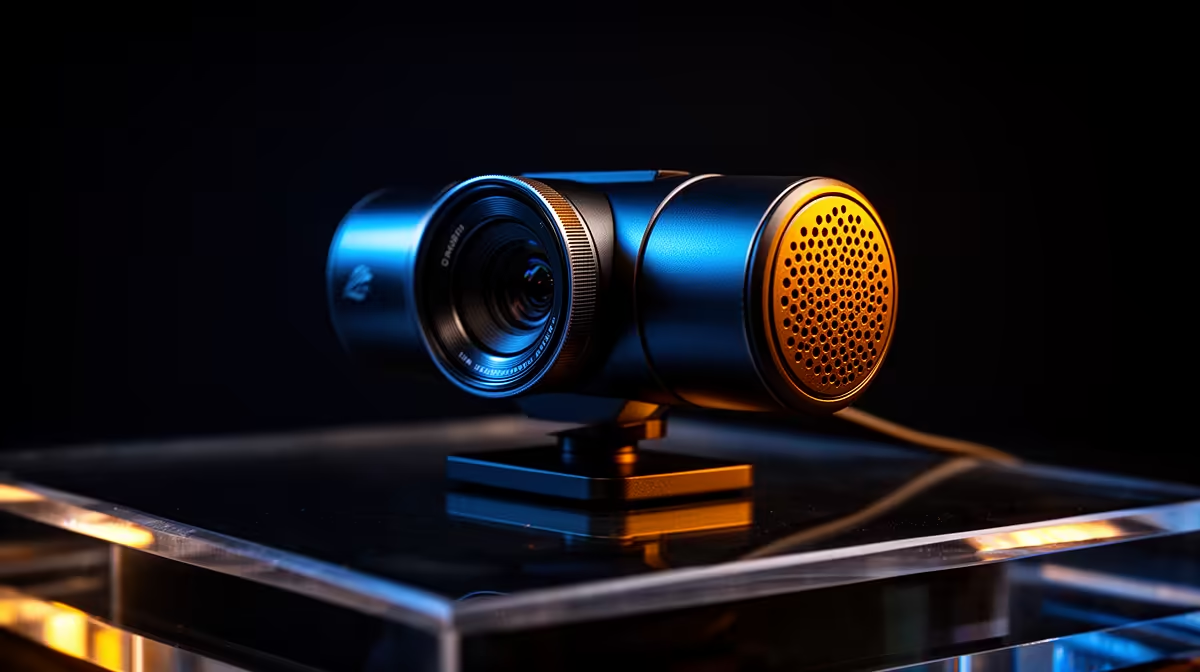
The biggest webcam mistakes when comparing upgrades are buying on megapixels instead of sensor quality, ignoring low-light performance, and overlooking the microphone and mount. A R1,400 1080p60 cam with a good sensor beats a cheap 4K cam with a tiny sensor. Compare real-world sharpness, low light and autofocus, not just the resolution on the box.
Mistake one: chasing resolution over sensor
Shoppers often pick the highest resolution number, but a cheap 4K webcam with a tiny sensor can look worse than a quality 1080p one. Sensor size and image processing matter more than raw pixels for sharpness and colour. A solid 1080p60 webcam near R1,400 usually beats a bargain 4K cam in real video calls because its sensor gathers more light per pixel.
Compare actual footage where you can, not the headline resolution.
Mistake two: ignoring low light
Most home video happens in imperfect lighting, yet buyers rarely check low-light performance. A webcam that looks fine in a bright shop can turn grainy in a dim evening room. Prioritise a cam with a larger sensor and good low-light handling, and add a small light source. This single factor separates a webcam that always looks good from one that only works at midday.
Mistake three: forgetting mount and mic
Buyers also overlook the clip and built-in microphone. A clip that will not grip a thin monitor or a tinny mic that forces a separate purchase both add hidden cost and hassle. Check the mount fits your screen and whether you need a dedicated microphone anyway.
How to compare properly
Line up candidates on sensor quality, low-light footage, autofocus speed and field of view rather than resolution alone. A 78-90 degree field of view suits one person; wider risks distortion. Confirm the cam supports your needed frame rate, 1080p60 for smooth streaming, before buying.
FAQ
Is a 4K webcam always better than 1080p?
No. A cheap 4K cam with a small sensor can look worse than a quality 1080p60 model in real use. Sensor size, processing and low-light handling matter more for everyday video than the resolution number on the box.
What is the most overlooked webcam spec?
Low-light performance. Most home video happens in imperfect lighting, and a cam that looks fine in a bright shop can get grainy at night. Check low-light footage and add a small light for the biggest improvement.
Should I rely on a webcam's built-in microphone?
Often not. Built-in webcam mics are usually thin and pick up room noise. If audio quality matters for calls or streaming, budget for a dedicated microphone rather than depending on the webcam's mic.
Compare webcams on sensor quality, low-light footage and autofocus, not megapixels, and confirm the clip fits your monitor before you buy.