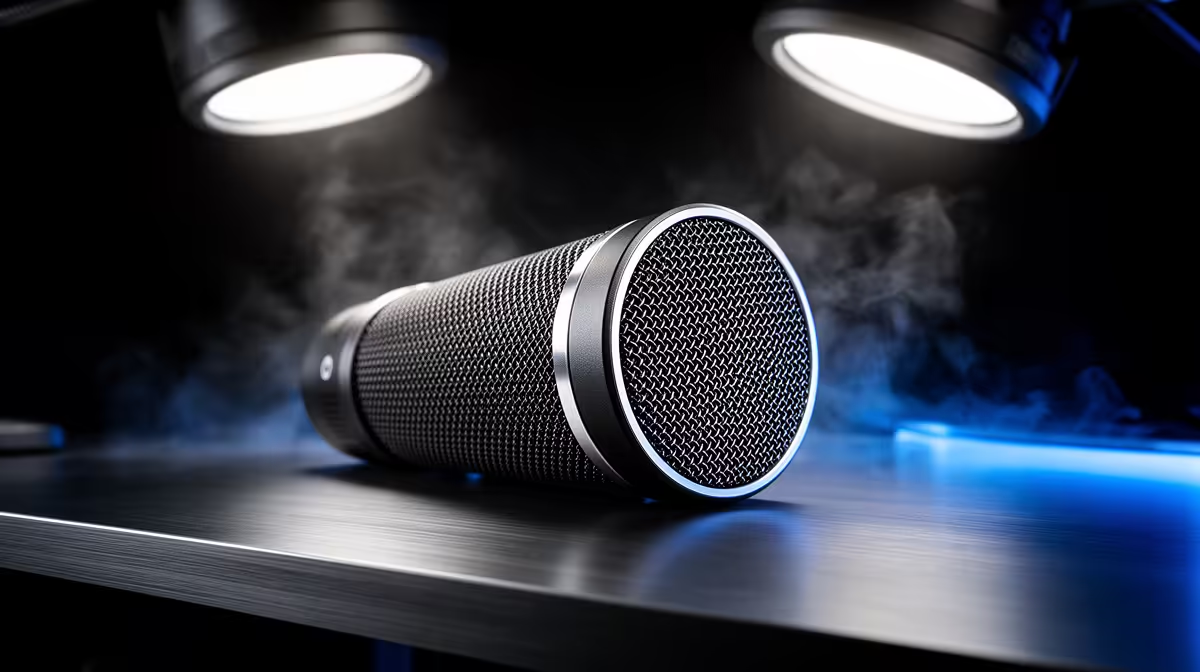
The Shure SM7B has a reputation for being quiet, and the reason sits in one specification line: its mic sensitivity of roughly -59 dBV/Pa. That number tells you how much electrical signal the capsule produces for a given amount of sound pressure, and a low figure like the SM7B's means it hands your interface a very faint signal that needs a lot of clean gain to bring up.
Quick Answer
Mic sensitivity measures how much voltage a microphone outputs from a fixed sound pressure level. The SM7B rates around -59 dBV/Pa, a low and quiet figure, so it needs roughly 60dB of clean preamp gain to reach a healthy level. Many interfaces run out of clean gain first, which is why a Cloudlifter or a high-gain interface is so often paired with it.
What the sensitivity number means
Sensitivity is written in dBV/Pa, which is the output voltage produced by one pascal of sound pressure, expressed in decibels relative to one volt. Because the values are negative, the closer to zero the number is, the more output the mic produces. A condenser sitting at around -37 dBV/Pa is far louder electrically than the SM7B at -59 dBV/Pa. That gap of roughly 22dB is enormous, and it is the whole story behind the SM7B's appetite for gain.
The capsule design drives this. The SM7B is a dynamic microphone with a moving-coil element, which generates its signal passively through magnetic induction. There is no internal amplifier and no phantom power feeding it, so the raw output is naturally low. That same passive design is part of why it sounds so controlled and resists picking up room noise, but it comes at the cost of a weak signal.
For the headphones you will monitor on while setting all this up, the headset and headphone range at Evetech covers closed-back options that keep your levels honest while you dial in gain.
Why so much gain is the catch
To lift that faint signal to a usable recording level, you need roughly 60dB of gain. The problem is not just the amount, it is the quality. Every preamp adds a little hiss, and the louder you push a preamp, the louder that hiss gets relative to your voice. A budget interface that tops out near 50dB of gain forces you to record too quietly or crank a noisy preamp, and either way you end up with audible background hiss layered under the voice.
This is where the SM7B earns its demanding reputation. It is not a difficult mic to sound good, it simply exposes weak preamps. Pair it with a preamp that has plenty of clean headroom and the result is rich and quiet. Pair it with a thin one and you hear the floor.
How people solve it
There are two clean routes. The first is an inline gain booster such as a Cloudlifter, which sits between the mic and interface and adds around 25dB of clean, low-noise gain before the signal ever reaches your interface preamp. That lets a modest interface do the rest of the job without straining.
The second is to start with a higher-gain interface that offers 60dB or more of quiet gain on its own, removing the need for an inline booster entirely. Either path works. The booster suits someone who already owns a capable but lower-gain interface, while a high-gain interface keeps the chain simpler from the start.
Frequently Asked Questions
Is low sensitivity a flaw?
No, it is a trade-off. The same passive dynamic design that makes the SM7B quiet electrically also makes it excellent at rejecting room noise and handling loud sources without distorting. You pay for that in required gain, not in sound quality.
Can any interface power the SM7B?
It needs no phantom power, since it is a dynamic mic. What it needs is enough clean gain. A 60dB-plus interface handles it alone, while a lower-gain unit pairs well with an inline booster like a Cloudlifter to make up the difference.
How much gain does it actually need?
Around 60dB to reach a strong recording level at a typical speaking distance. The exact figure shifts with how close you sit and how loud you speak, but plan for plenty of clean gain rather than just enough.
Will a Cloudlifter make it sound better?
It does not change the tone, it provides clean gain so your interface preamp does less work and adds less hiss. The audible benefit is a quieter recording, not a different character.
Why does my SM7B recording hiss?
Almost always because the preamp is being pushed too hard for too little signal. Add clean gain upstream with a booster or move to a higher-gain interface, and the hiss drops because the preamp no longer has to strain.
Which closed-back headsets do SA creators rely on for monitoring?
Closed-back is the standard for monitoring because sealed cups stop the headphone output leaking back into the microphone. The best-selling headsets at Evetech lean toward closed-back designs for exactly this reason, and they are a practical starting point when building a monitoring chain around a demanding dynamic mic.
Getting the most from a demanding mic starts with the right monitoring and the right gain stage. Explore closed-back options in the Evetech headphone and headset range so you can hear exactly what your preamp is doing while you set levels.