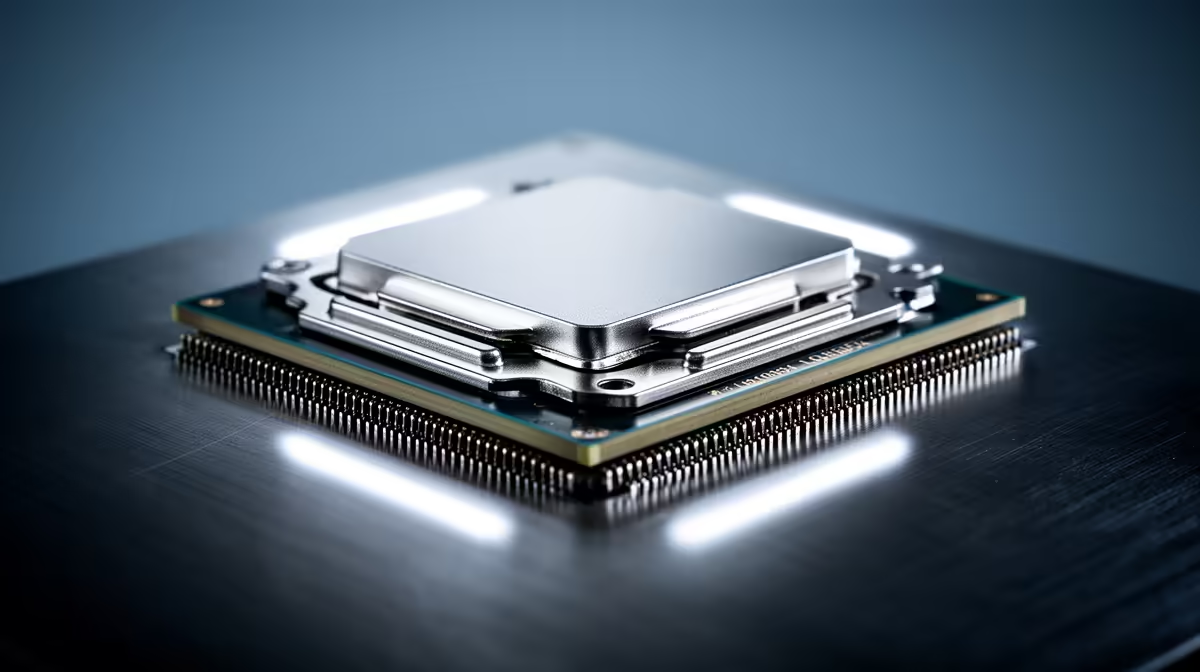
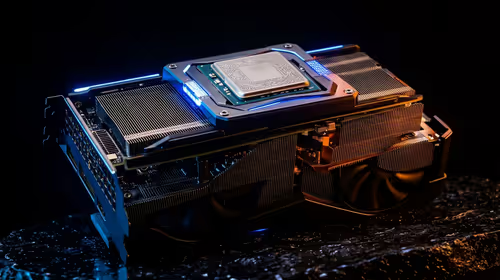
Intel is changing the slot your processor drops into again, and the LGA1954 socket is the new physical interface arriving with the Nova Lake generation. It replaces the LGA1851 socket that carried Arrow Lake and the Core Ultra 200 series, and the jump in pin count is not cosmetic. More pins mean more power delivery and signalling lanes, which in turn means a fresh motherboard rather than a chip you can drop into your current board.
Quick Answer
LGA1954 is Intel's new desktop socket for Nova Lake CPUs, succeeding LGA1851. The higher pin count supports expanded power and signalling needs, and it is not backward compatible. A Nova Lake processor needs a new LGA1954 motherboard, and an LGA1851 board cannot accept the new chips.
Why Intel Changed the Socket Again
The number in the name is the pin count, and going from 1851 to 1954 pins reflects what Nova Lake demands underneath. Higher-performance CPU generations push more current through the package and route more high-speed signals for memory and I/O. When those requirements outgrow the existing pin map, Intel introduces a new socket rather than stretching the old one past its limits.
For builders, the practical headline is simple. This is a platform change, not a drop-in upgrade. The CPU, the socket, and the chipset move together, so planning a Nova Lake build means budgeting for the board as part of the package.
What LGA1954 Means for Your Build
If you are running an LGA1851 system today, a Nova Lake chip will not fit it. The pin layout is different, and Intel does not make new-socket CPUs work in old-socket boards. Anyone hoping to keep their current motherboard and only swap the processor will need to adjust that plan.
A new platform does bring upside, though. New chipsets typically refresh the connectivity around the CPU, which can mean updated memory support, more modern lane allocation, and current I/O standards. The trade-off is the upfront cost of the board alongside the chip.
There is also a cooler question. A new socket can change the mounting layout, so confirm that your existing cooler supports LGA1954, or factor in a new mount or cooler when you spec the build. Always check the specification of any board or cooler before assuming compatibility carries over.
Should SA Builders Wait or Buy Now?
A new socket arriving does not make a current build a mistake. An LGA1851 system bought today is a complete, current-generation machine, and platform transitions are a normal part of the PC cycle. If you need a system now, buy the platform that is available and well supported locally rather than holding out for hardware that is not yet on shelves.
If you are not in a hurry and want the longest runway, it can be worth timing a fresh build around the new platform once it is stocked and proven. Either way, the decision should rest on when you actually need the machine, not on socket numbers alone. You can compare current Intel options across the Evetech Intel CPU range, and if you would rather skip the part-by-part route, the pre-built PC best-sellers give you a complete, warrantied machine ready to run.
Frequently Asked Questions
Is LGA1954 backward compatible with LGA1851?
No. The pin count and layout differ, so a Nova Lake LGA1954 CPU will not fit an LGA1851 board, and older chips will not fit the new socket. A Nova Lake build needs a matching LGA1954 motherboard.
Why did Intel increase the pin count?
The extra pins support Nova Lake's expanded power delivery and signalling requirements. As CPU generations demand more current and more high-speed connections, a new socket with more pins replaces the previous one.
Will my current cooler fit an LGA1954 board?
It depends on the mounting layout. Some coolers carry over with the right bracket, while others need a new mount. Check the cooler's supported sockets, or budget for a compatible mount when planning the build.
Does a new socket mean better features?
Usually the surrounding chipset is refreshed too, which can bring updated memory support and more modern connectivity. The exact gains depend on the specific board and chipset paired with the socket.
Should I avoid buying an LGA1851 system now?
Not necessarily. An LGA1851 system is a complete current-generation build and remains well supported. Buy based on when you need the machine, since waiting only makes sense if you are not in a hurry and want the newest platform.
A new socket is a normal step in the PC cycle, not a reason to stall. Compare your options on the Evetech Intel CPU range and build or buy with full local warranty and support.