The right gaming keyboard for a matric-to-varsity step up that has to last a three-year degree is less about flash and more about switch feel, layout and noise. Pick those well and it serves for years.
Quick Answer
What matters most is switch feel and layout: choose your switch type first, then layout, then build. A solid mechanical board with hot-swap switches, a sturdy plate and a layout that fits your desk runs about R800 to R2,200 in SA. Treat RGB, wrist-rest extras and software macros as bonuses, not deciding factors.
The specs that decide the feel
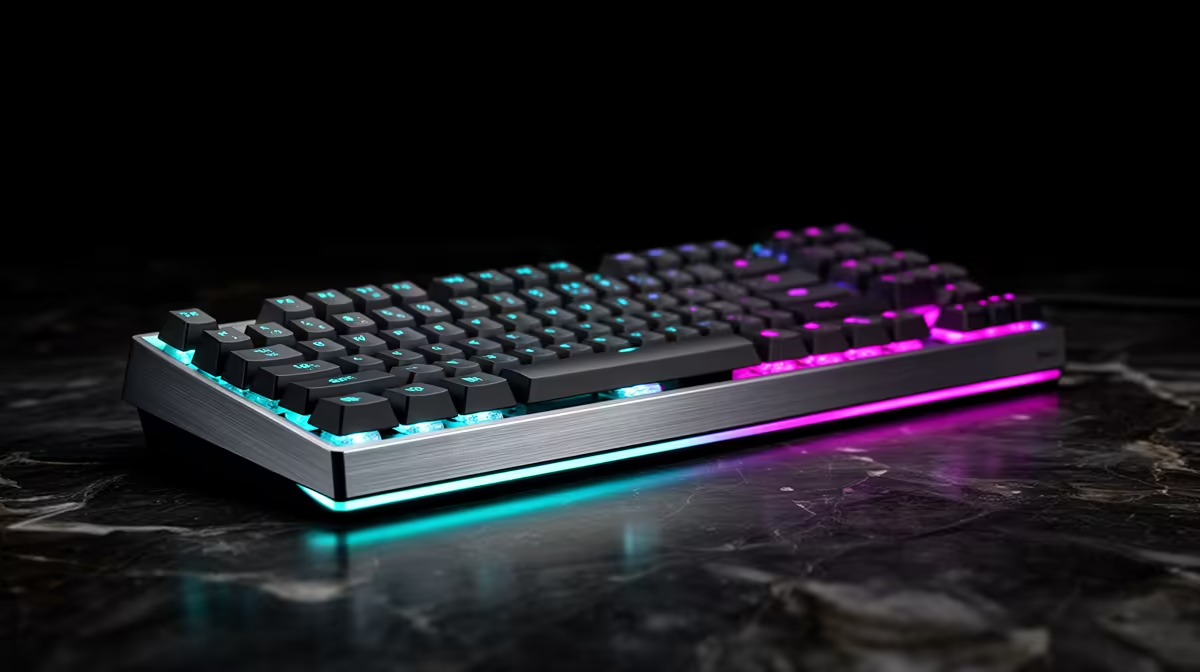
Switches set the entire experience: linear for fast, quiet keypresses, tactile for a typing bump, clicky for sound (and complaints from anyone nearby). Layout is next: full-size keeps the numpad, tenkeyless frees mouse space, and 75 percent shrinks the desk footprint further. A steel or aluminium plate, doubleshot PBT keycaps and pre-lubed stabilisers separate a board that lasts from one that goes scratchy in a year.
Matching the board to matric to varsity upgrades
Switch type, layout size and build quality decide how a keyboard feels day to day, far more than the lighting does. Hot-swap sockets let you change switch feel later without soldering, which is a genuine future-proofing win. For SA buyers, prioritise doubleshot PBT keycaps, since cheap ABS caps go shiny fast in daily use, and check that replacement parts or switches are available locally.
FAQ
Which switch type should I pick?
Linear (smooth) for fast gaming and quiet rooms, tactile for typing feedback, clicky only where noise is welcome. Try a switch tester if you can, since feel is personal.
Is tenkeyless or full-size better?
Tenkeyless frees mouse space and suits gaming; full-size keeps the numpad for data entry. Pick by whether you use the numpad daily or value the extra desk room more.
Are PBT keycaps worth it?
Yes. Doubleshot PBT keycaps resist the greasy shine that cheap ABS develops within months. They are one of the clearest signs of a board built to last in daily SA use.
switch type before anything else, ideally on a switch tester. Layout and keycaps you can change later, but switch feel is what you live with every keystroke.